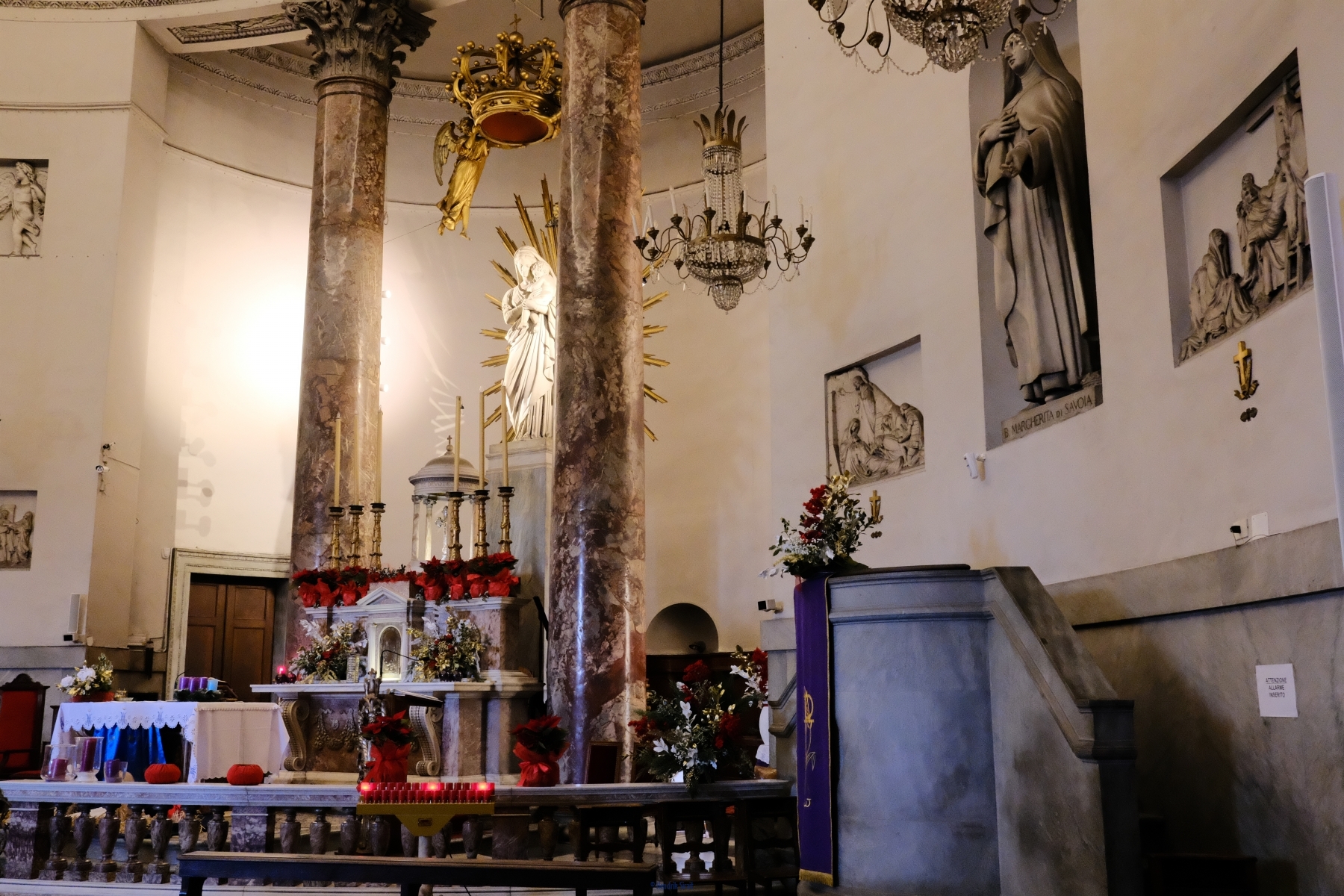
Turin
Turin (Torino), nestled in the northwest corner of Italy as the capital of the Piedmont region, is one of Europe’s most criminally underrated cities.
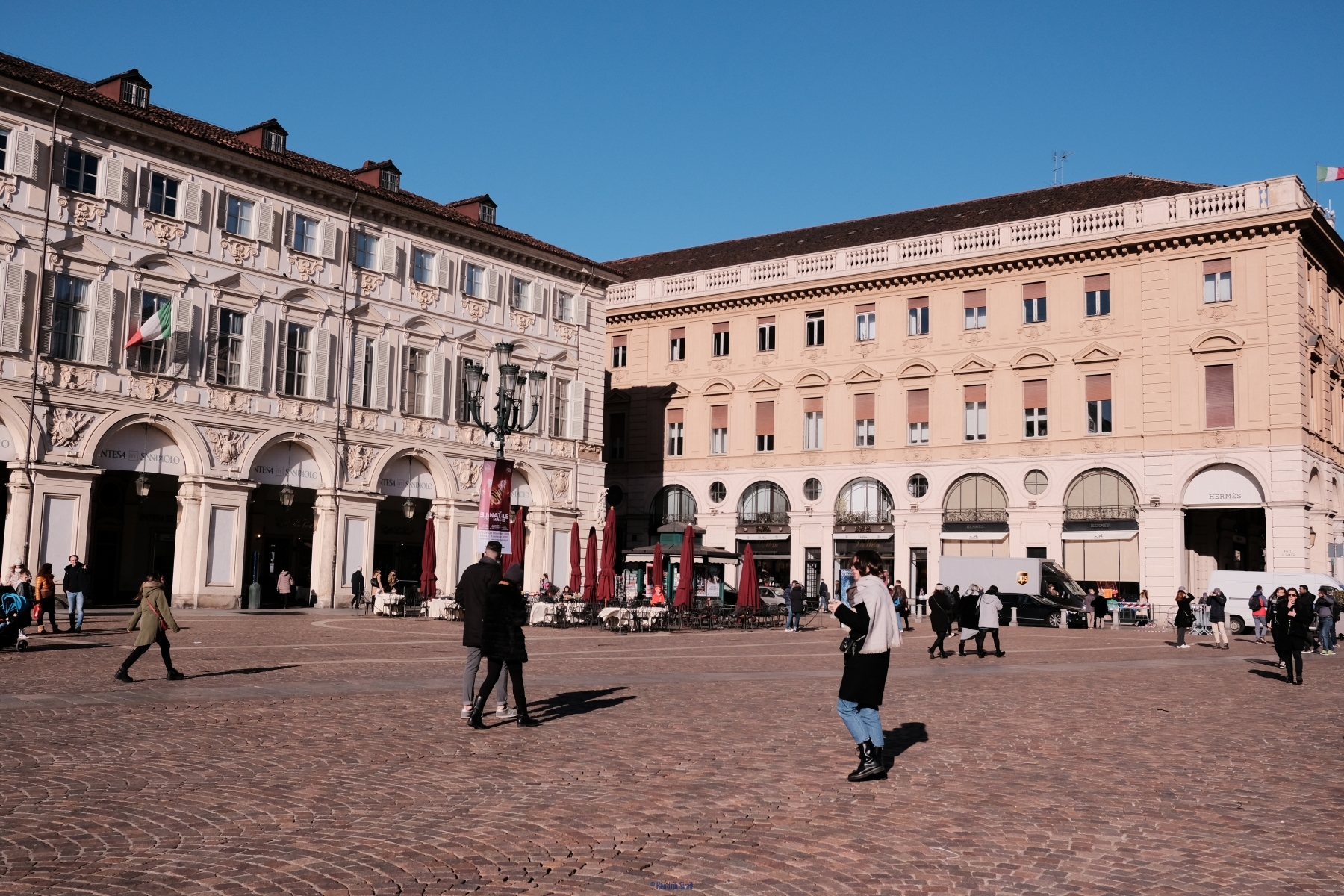
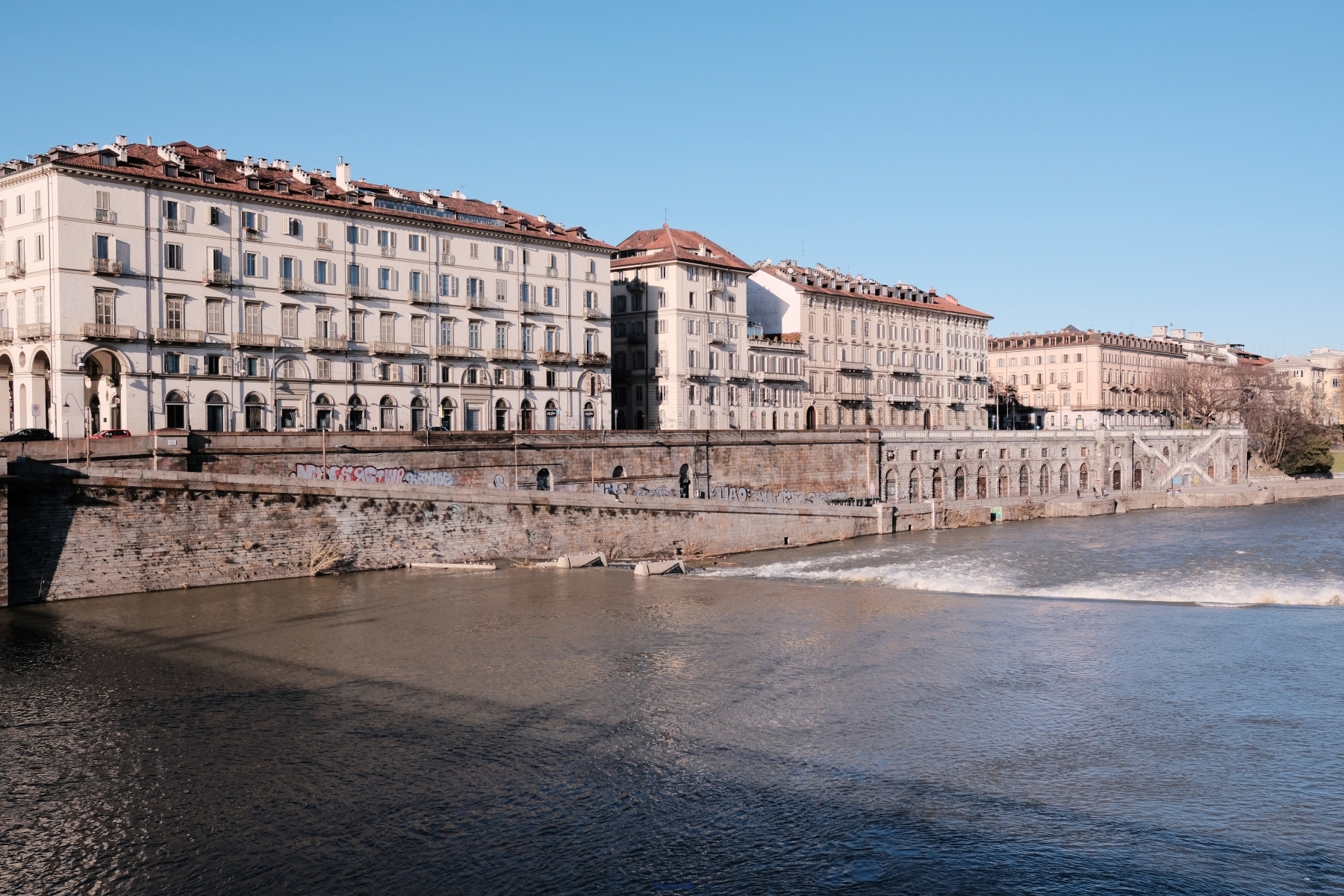
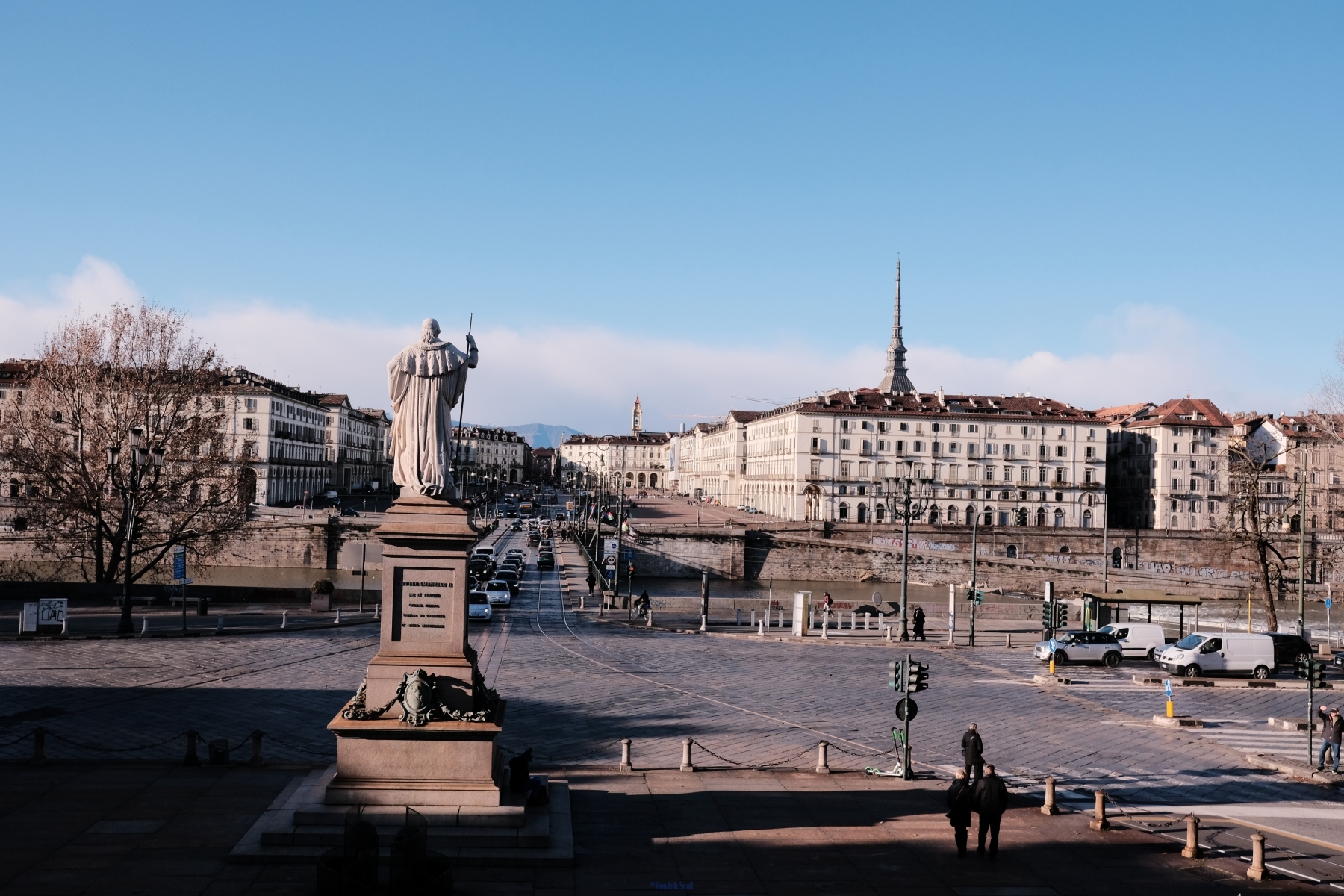
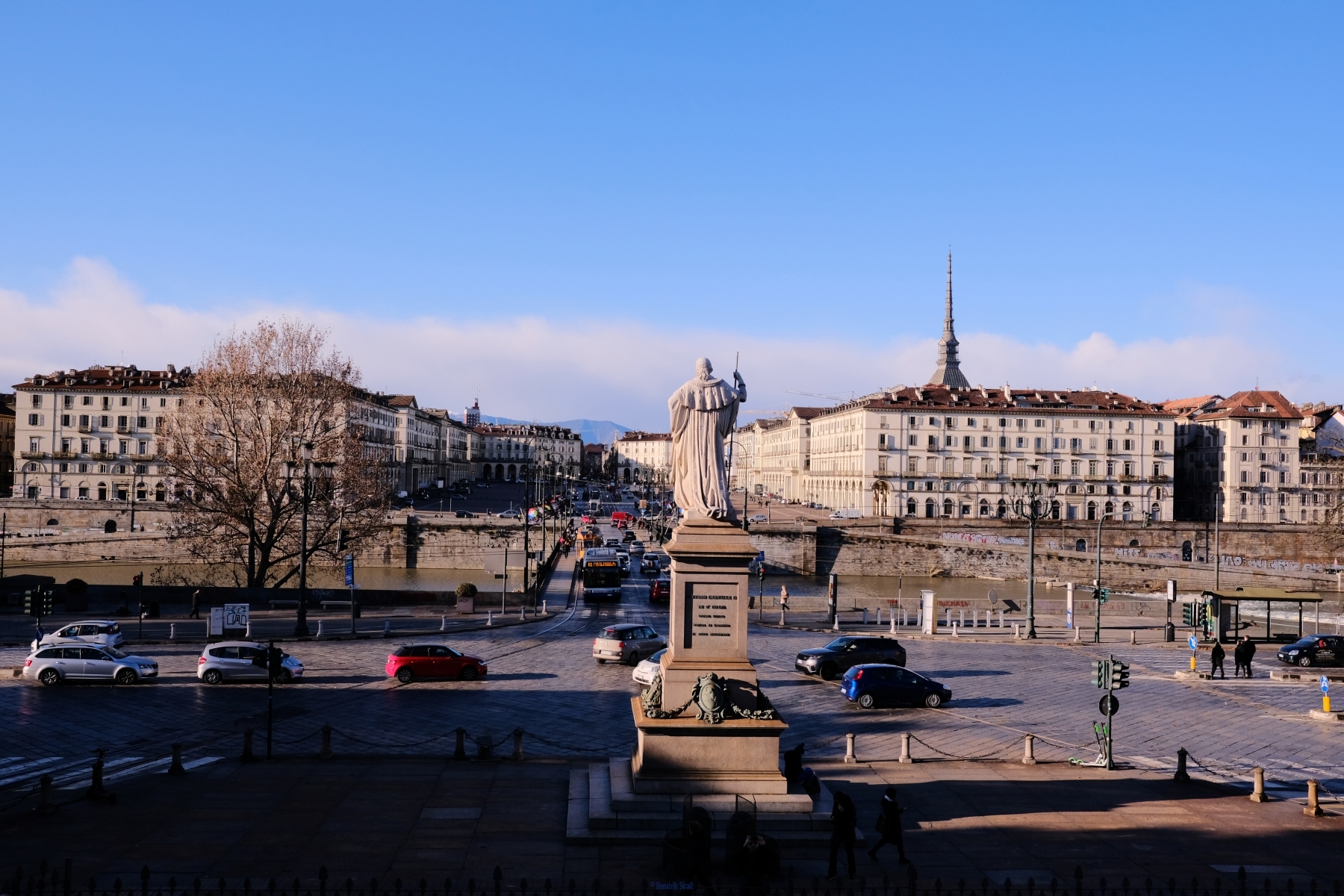
Often overlooked in favor of Rome or Florence, Turin boasts a completely different aesthetic. It is a stately, aristocratic city characterized by grand, sweeping Baroque avenues, vast imperial squares, and miles of elegant covered arcades—all framed beautifully by the dramatic, snow-capped wall of the Italian Alps rising just beyond downtown. As Italy’s very first capital city and the historic seat of the Royal House of Savoy, it effortlessly blends a regal, Parisian-style atmosphere with industrial innovation (it’s the home of FIAT) and a world-class culinary legacy.
Best Time to Visit
To enjoy Turin’s outdoor cafe culture and clear mountain views, plan around the changing seasons.
- Autumn (September to November): This is the gold standard for foodies. The weather is cool and crisp, and the region explodes with culinary celebrations, including the famous White Truffle Festival in nearby Alba. It is also when the city blankets itself in the magical, artistic installations of Luci d’Artista (Artists’ Lights).
- Spring (April to June): A beautiful, sunny window where the city’s massive green riverside parks are in full bloom and outdoor terraces pack out for evening drinks.
- Winter Note: December to February is cold and frequently foggy, but it serves as an excellent base if you want to combine a city trip with a ski holiday, as the world-class slopes of the Milky Way (Via Lattea) Olympic ski resort are just over an hour away.
Top Places to Visit
Turin’s central core is a highly organized, walkable grid lined with incredible historical and cultural heavyweights.
Mole Antonelliana & National Cinema Museum is the undisputed architectural symbol of the city. Originally designed as a synagogue in the 19th century, its massive, piercing spire dominates the skyline.
- The Museum: Inside, it hosts one of the world’s most creative and interactive museums dedicated to the history of motion pictures.
- The Panoramic Lift: You can ride a transparent glass elevator suspended completely mid-air through the center of the dome up to an open terrace for a spectacular 360-degree view of the city and the Alps.
The Egyptian Museum (Museo Egizio) is globally legendary. It holds the immense distinction of being the oldest Egyptian museum in the world and houses the most extensive collection of Egyptian artifacts outside of Cairo itself.
- The Highlights: Spanning four floors, you can walk among perfectly preserved mummies, towering sphinxes, monumental statues of Ramesses II, and intact papyrus scrolls.
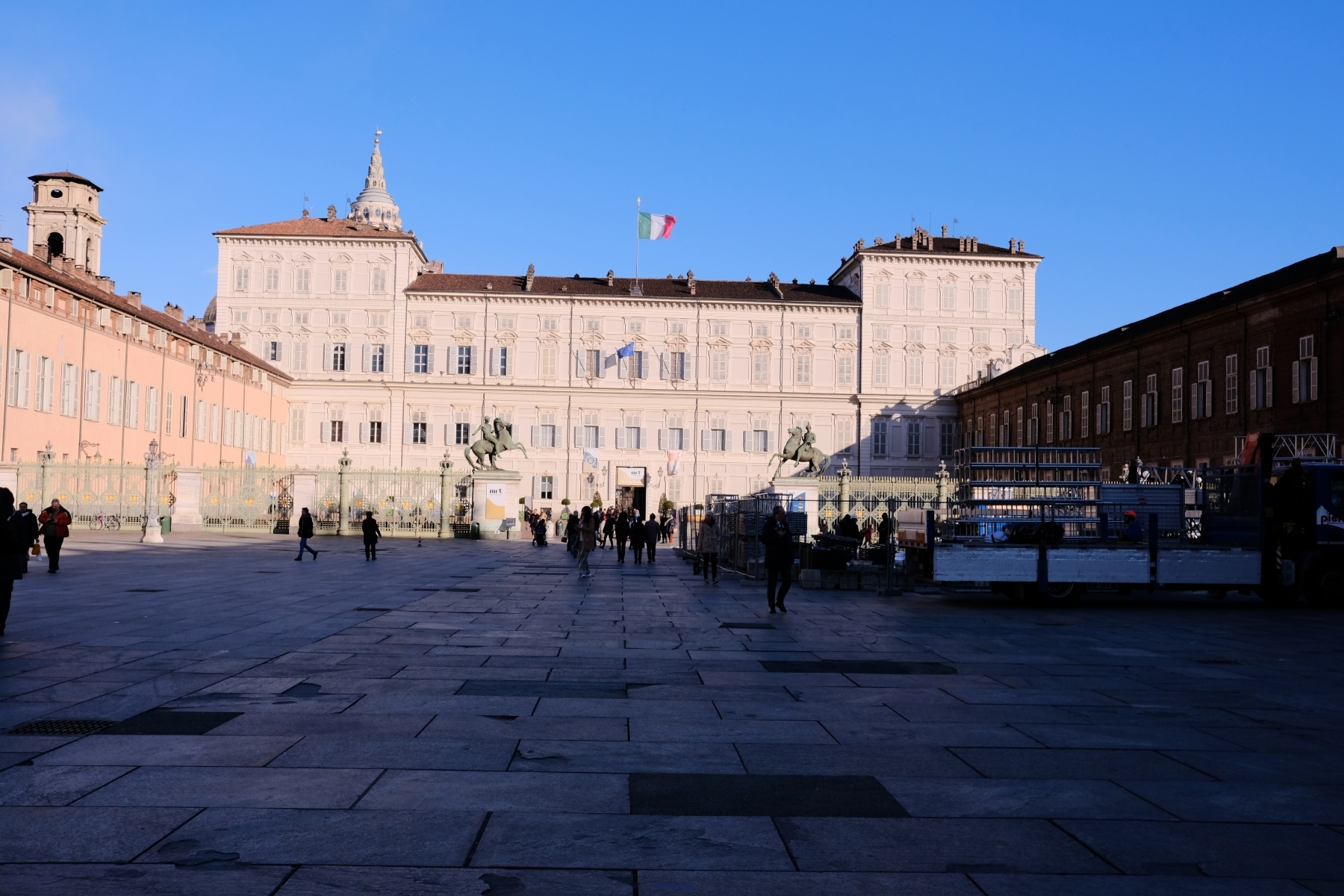
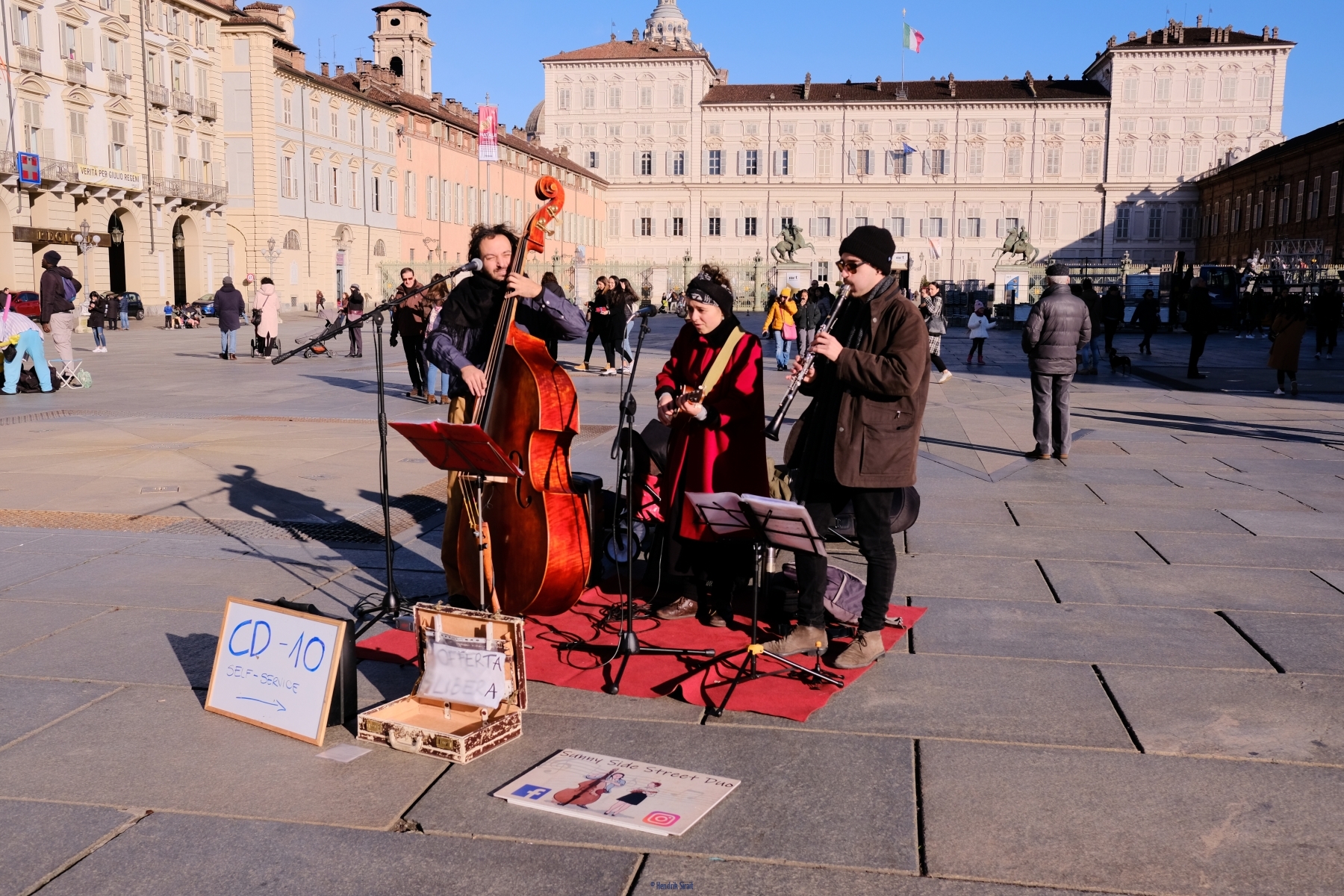
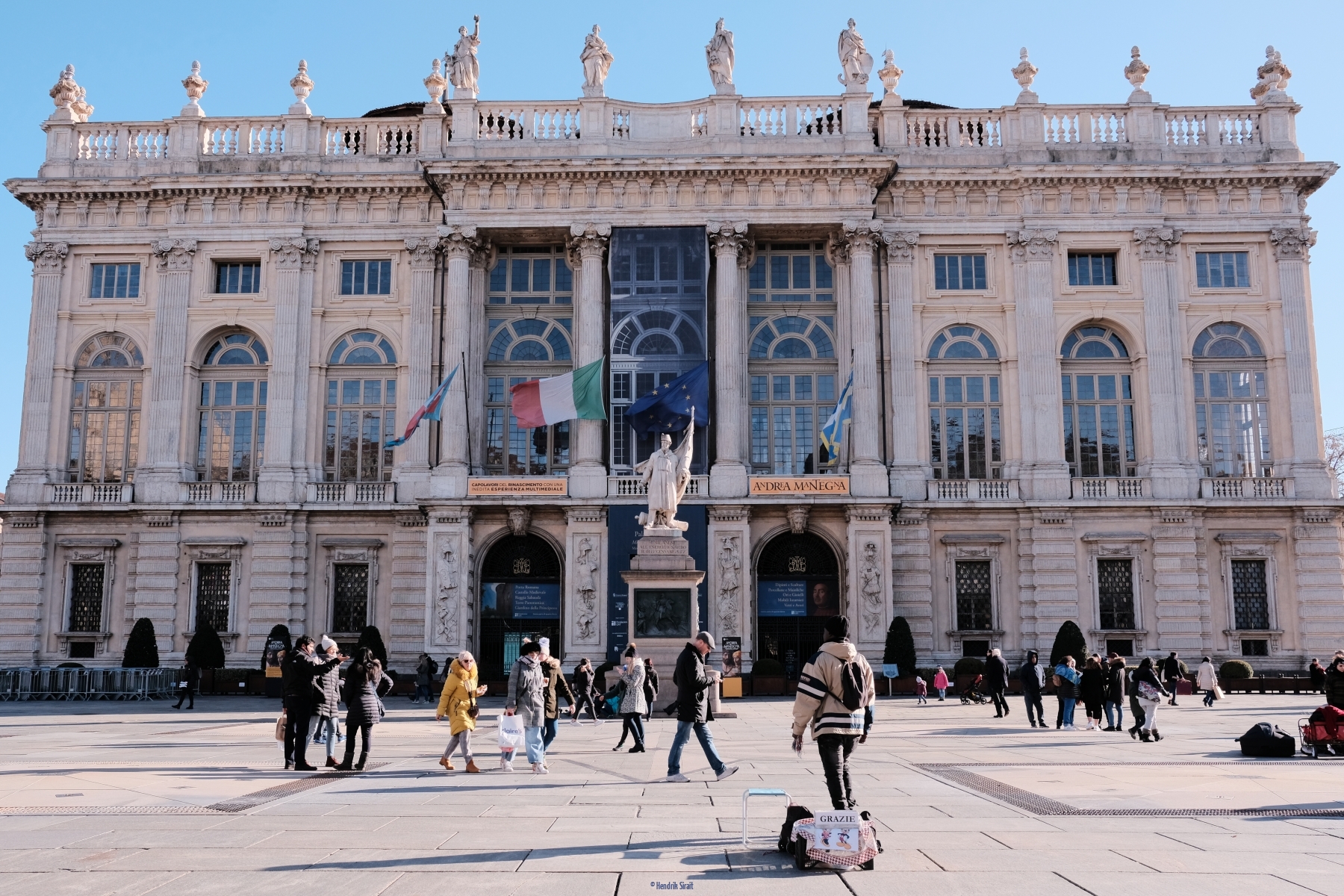
Piazza Castello & Royal Palace is the majestic, sprawling heart of historic Turin. The square is anchored by the Palazzo Madama (with its spectacular Baroque facade) and the Palazzo Reale (Royal Palace).
- Royal Grandeur: Touring the Royal Palace reveals dizzying opulence, including the jaw-dropping Royal Armoury and the hidden geometric genius of the Chapel of the Holy Shroud.
The Culinary Experience: Chocolate & Heavy Reds
Piedmontese cuisine is rich, buttery, and sophisticated, deviating heavily from the typical southern Italian tomato-and-olive-oil stereotype.
- The Capital of Chocolate: Turin is the historic chocolate capital of Europe. It is the birthplace of Gianduja—a rich paste of creamy chocolate and intensely fragrant local Piedmontese hazelnuts (the precursor to Nutella). You must try a Bicerin, the city’s signature warm drink made of layered espresso, thick hot chocolate, and cold heavy cream, served traditionally in small glass cups at historic cafes like Caffè Al Bicerin.
- Aperitivo Ritual: Turin invented modern Vermouth. Every evening around 6:00 PM, the city’s historic cafes fill up for the ritual of aperitivo. You order a cocktail (like a Negroni or a local vermouth over ice), and it comes accompanied by small plates of tramezzini (crustless triangle sandwiches) and savory snacks.
- Rich Pastas & Truffles: Look for Agnolotti del Plin (small, pinched pasta pockets stuffed with slow-roasted meats) and dishes tossed in decadent sage butter or topped with shaved truffles, paired with the region’s legendary, heavy Nebbiolo or Barolo red wines.
What to Prepare (Traveler’s Checklist)
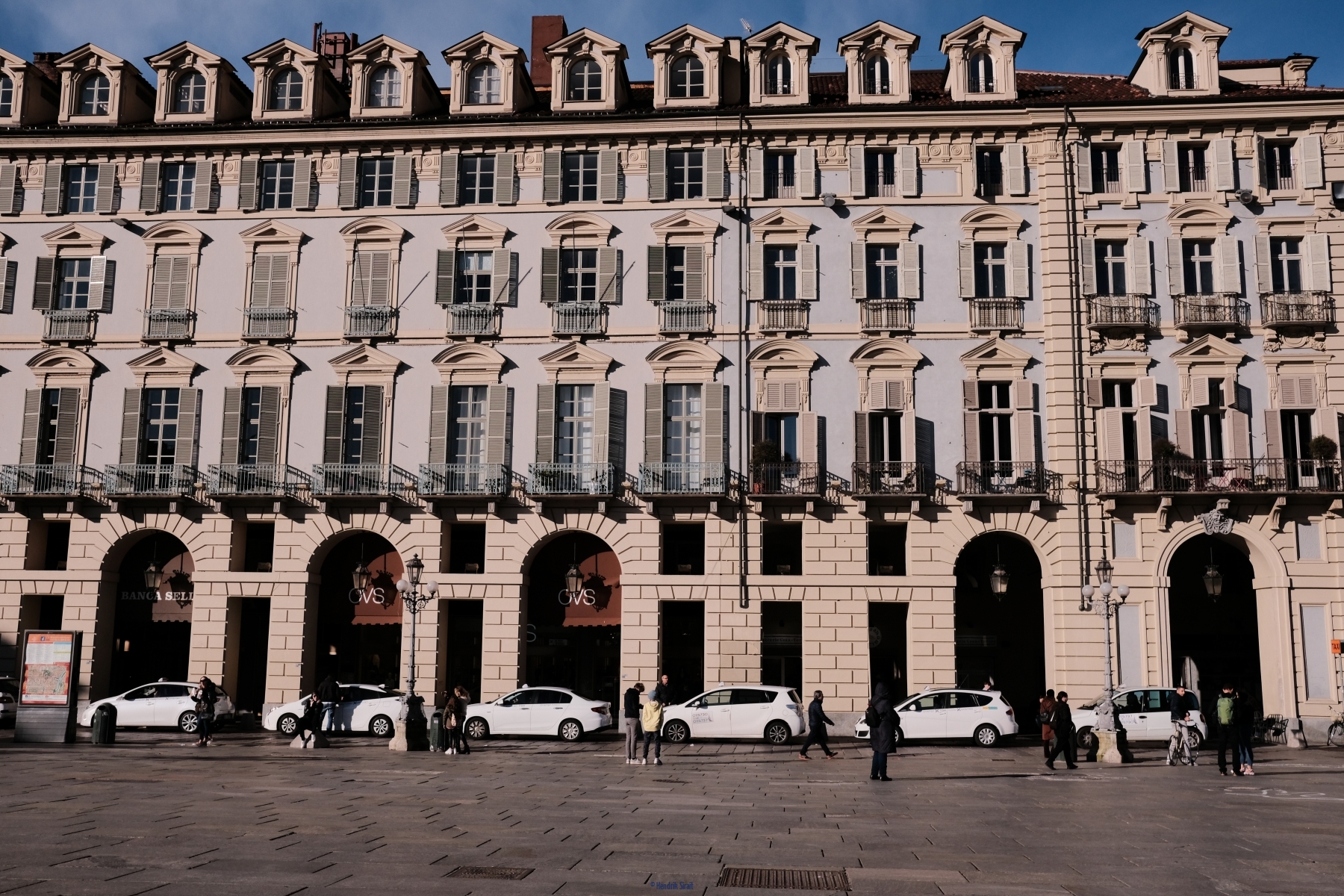
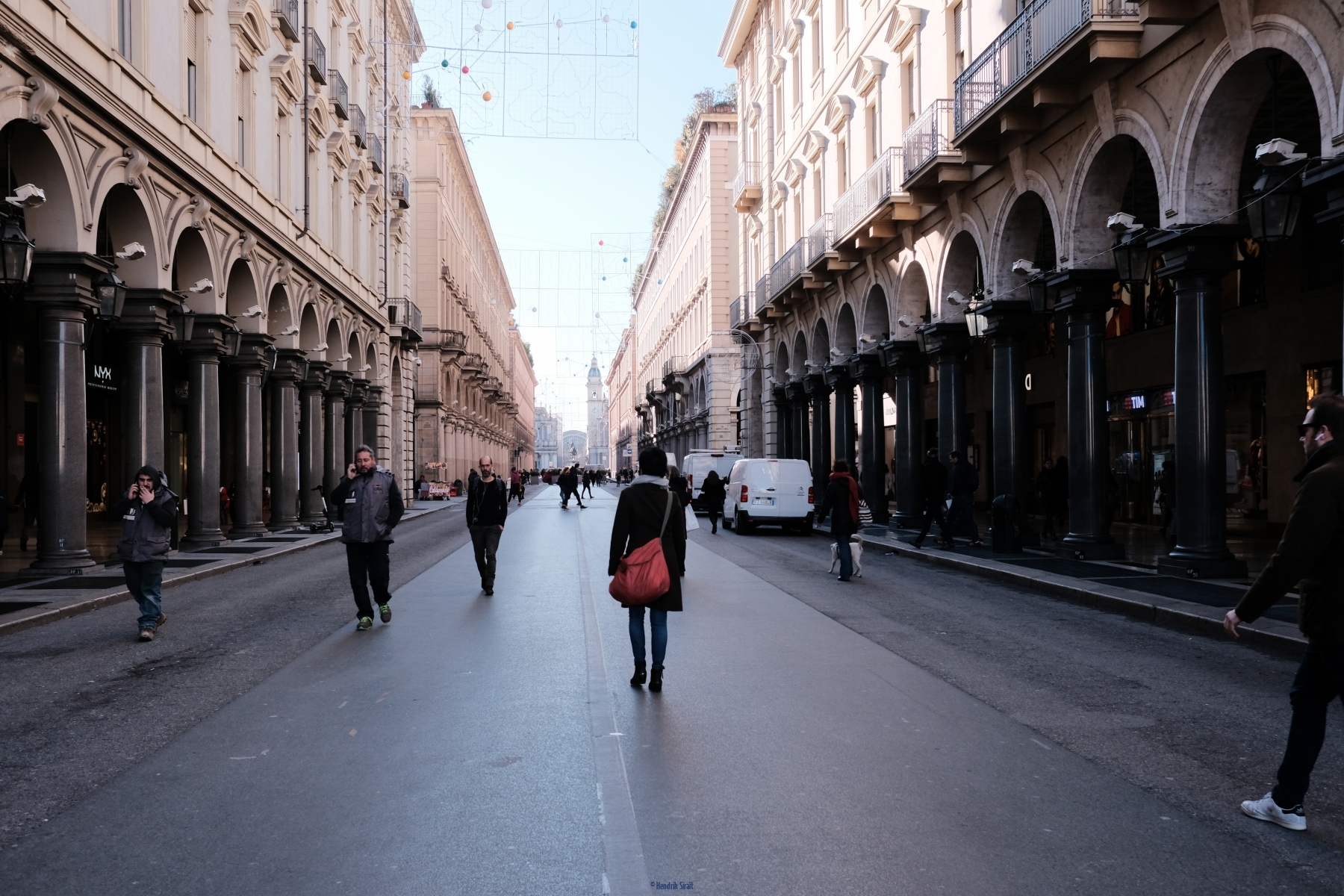
- Utilize the Porticoes: Turin has over 18 kilometers (11 miles) of covered stone arcades lining its main streets. They were originally requested by the royal family so they could walk around the city completely sheltered from rain or summer heat. This means you can easily explore and shop downtown on a rainy day without ever opening an umbrella!
- Get the Torino+Piemonte Card: If you plan to visit at least two or three major sites (like the Egyptian Museum, the Royal Palace, and the Cinema Museum), this card pays for itself immediately. It grants free or heavily discounted admission to almost all cultural sights, including the grand royal hunting lodges outside the city center.
- Transit Options: Turin is incredibly easy to reach. It sits on Italy’s high-speed train network, allowing you to catch a train from Milan and arrive in downtown Turin in just 45 minutes. The city itself has an efficient grid layout easily navigated on foot, backed up by a clean network of historic orange trams and a modern underground metro line