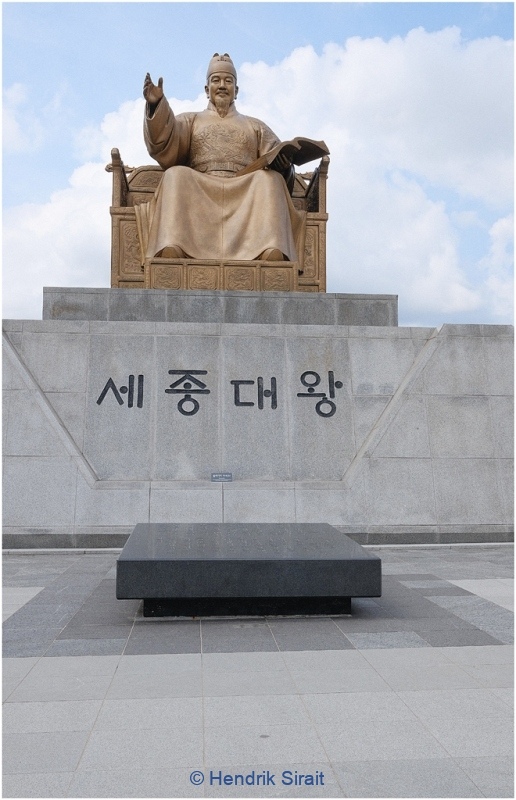
Seoul – South Korea
Seoul, the vibrant capital of South Korea, seamlessly blends cutting-edge technology and modern pop culture with deep-rooted history and timeless traditions. Whether you are drawn by the neon lights of skyscrapers or the quiet charm of ancient alleyways, it is a city that keeps travelers captivated.
Best Time to Visit
To get the most out of your trip, timing is everything.
- Spring (April to May): Highly recommended as the weather is mild and clear. April brings the iconic cherry blossom blooms, which paint the city in shades of pink, though popular sites will be more crowded.
- Autumn (September to November): Widely considered the absolute best time to visit. The air is cool and crisp, rainfall is low, and the city’s parks break out into breathtaking shades of crimson and gold foliage.
- Seasons to Avoid (If Possible): Summer (July and August) brings intense heat, heavy humidity, and the monsoon rainy season. Winter (December to February) is bitterly cold, with temperatures frequently dropping below freezing, though it is great if you want to experience winter illuminations or ski resorts outside the city.
Top Places to Visit
Seoul’s top attractions offer a dynamic contrast between the old world and the new.
Gyeongbokgung Palace
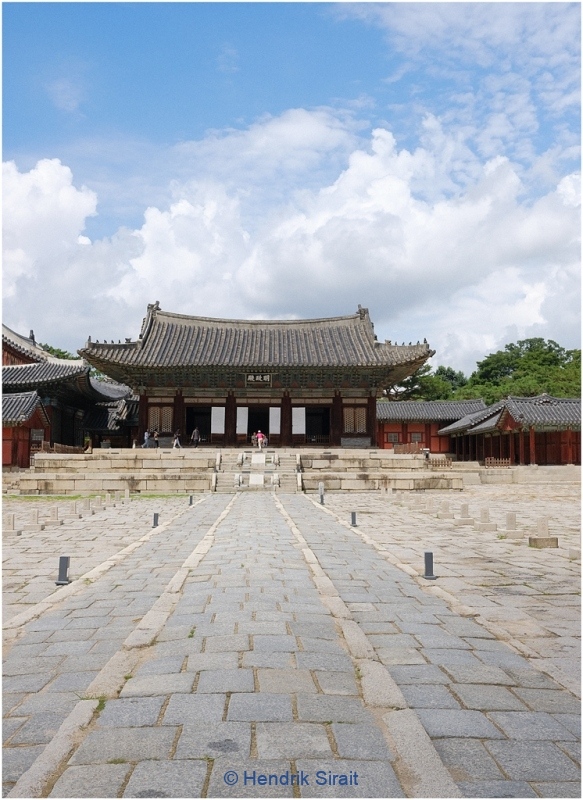
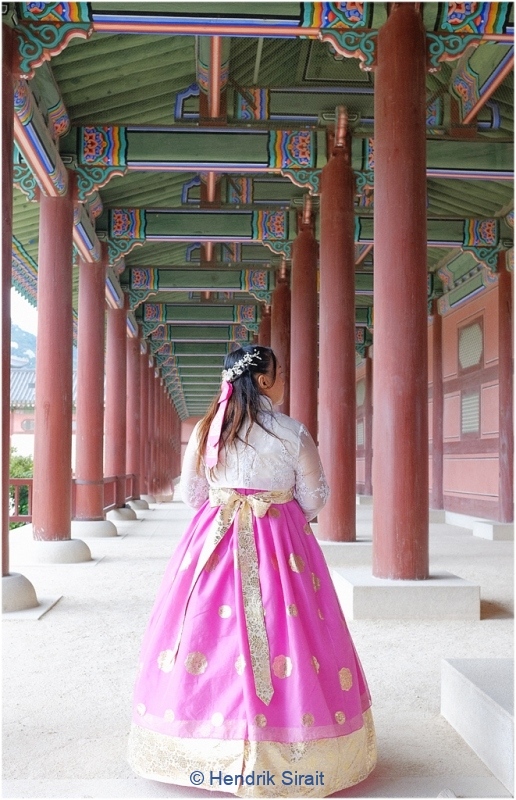
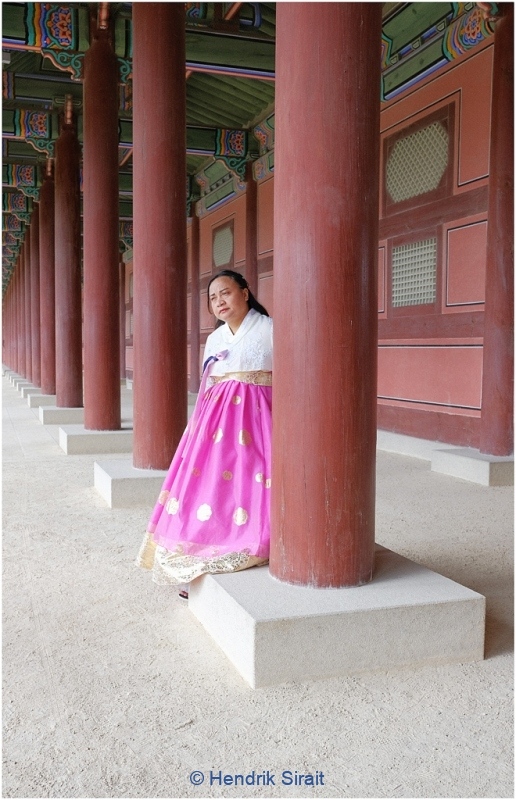
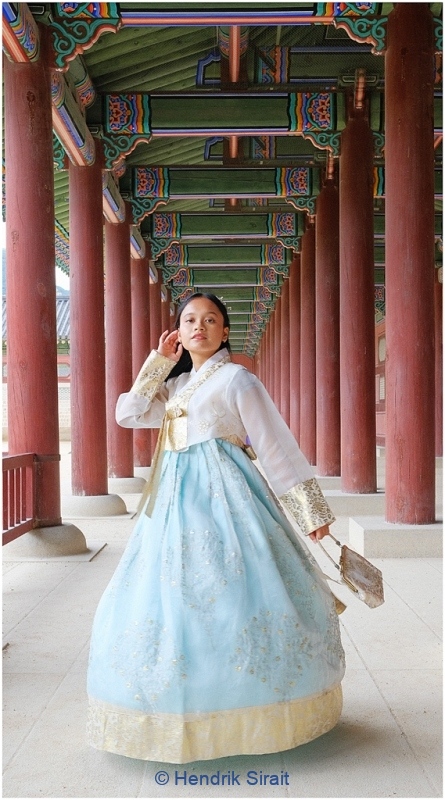
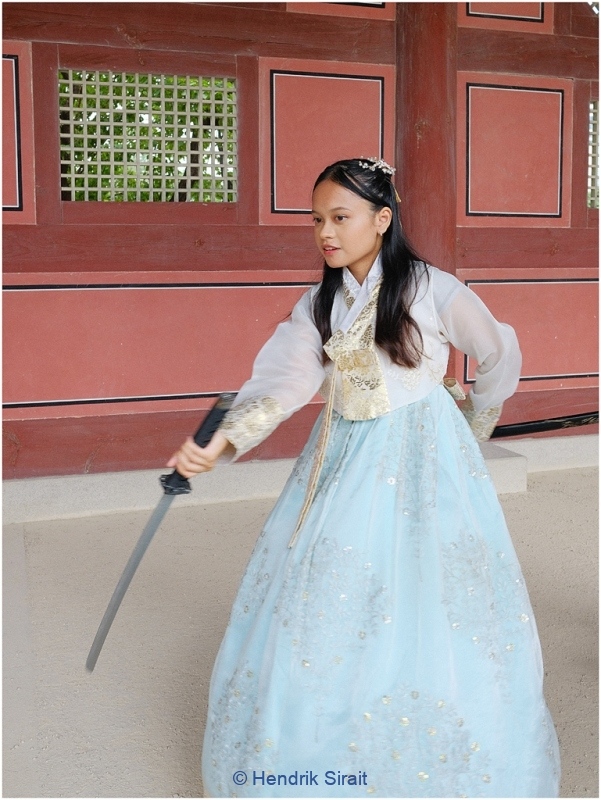
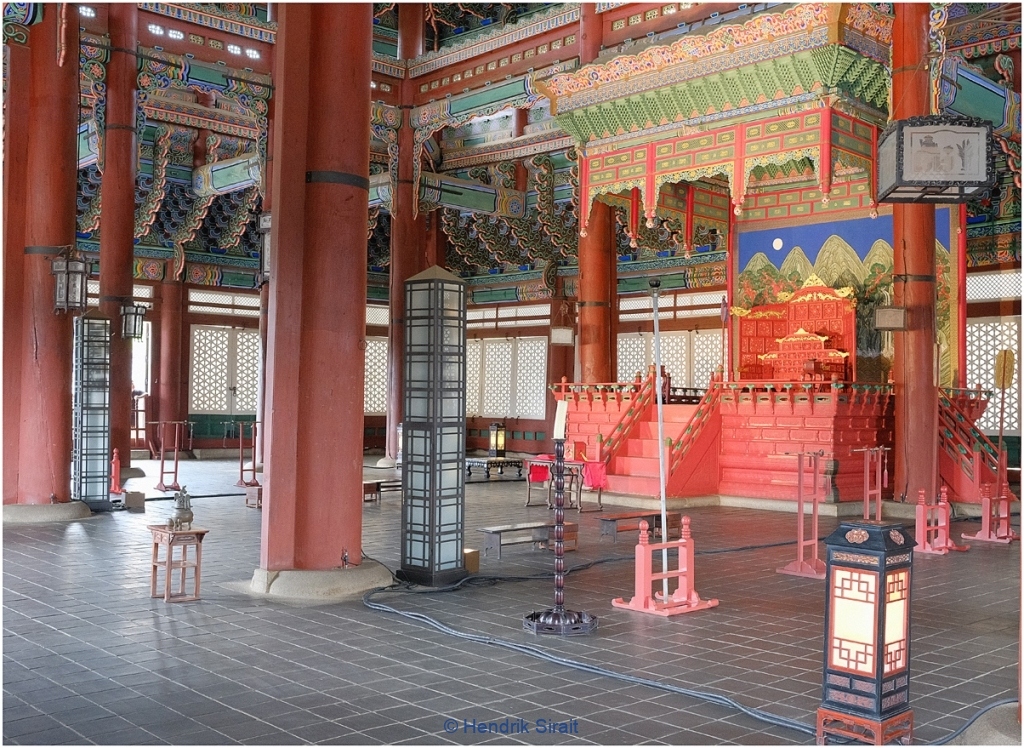
Gyeongbokgung PalaceClick to open side panel for more information is the grandest of the five royal palaces built during the Joseon Dynasty. Visitors can explore majestic pavilions and expansive courtyards, and watch the traditional Changing of the Guard ceremony.
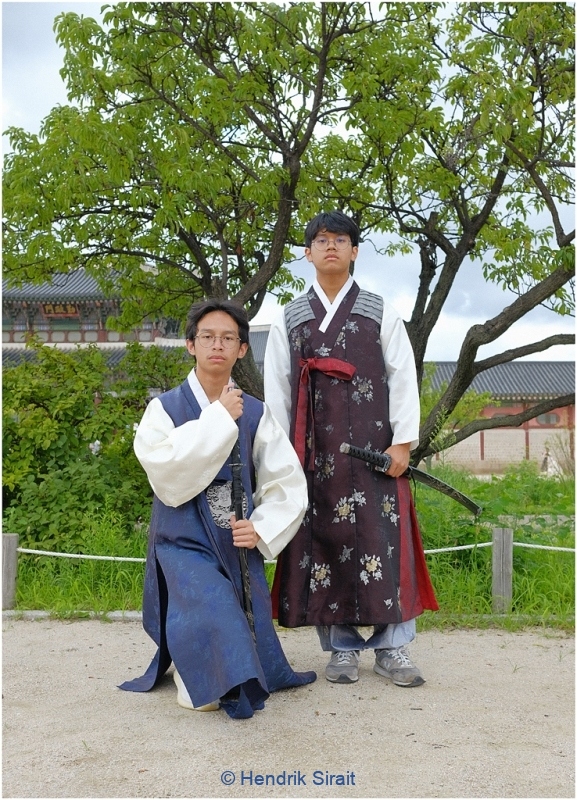
- Hanbok Discount: Entering the palace grounds is completely free if you wear a rented traditional Korean hanbok.
- Photo Ops: The throne hall and the floating Gyeonghoeru Pavilion offer stunning architectural backdrops.
Bukchon Hanok Village
Bukchon Hanok VillageClick to open side panel for more information is a picturesque residential neighborhood preserved to show what Seoul looked like hundreds of years ago. It features hundreds of traditional earthen-walled and tiled-roof houses (hanoks) that now operate as cultural centers, tea houses, and boutique cafes.
- Respect Residents: Because people still live here, visitors are strictly asked to keep their voices down and respect private property.
- Hilltop Views: Walking up the narrow lanes rewards you with a beautiful frame of traditional roofs contrasted against the modern downtown skyline.
N Seoul Tower
N Seoul TowerClick to open side panel for more information stands tall on the peak of Namsan Mountain, serving as an iconic landmark visible from almost anywhere in the city. It provides a stunning 360-degree panoramic view of Seoul’s sprawling urban landscape.
- Romantic Vibe: Famous for its “Locks of Love” fences where couples padlock their love to the railings.
- Access: You can take a scenic cable car ride or enjoy a brisk hike up Namsan Park to reach the base of the tower.
Myeong-dong
Myeong-dongClick to open side panel for more information is the pulsating heart of Seoul’s commercial, retail, and cosmetic shopping scene. The streets are packed with international brands, specialized K-beauty skincare shops, and bright neon signage.
- Street Food Hub: Every evening, the central streets transform into an expansive market alley lined with stalls cooking up creative snacks.
- Centrally Located: It is one of the most convenient areas to base your stay due to its excellent transit links.
Hongdae Street
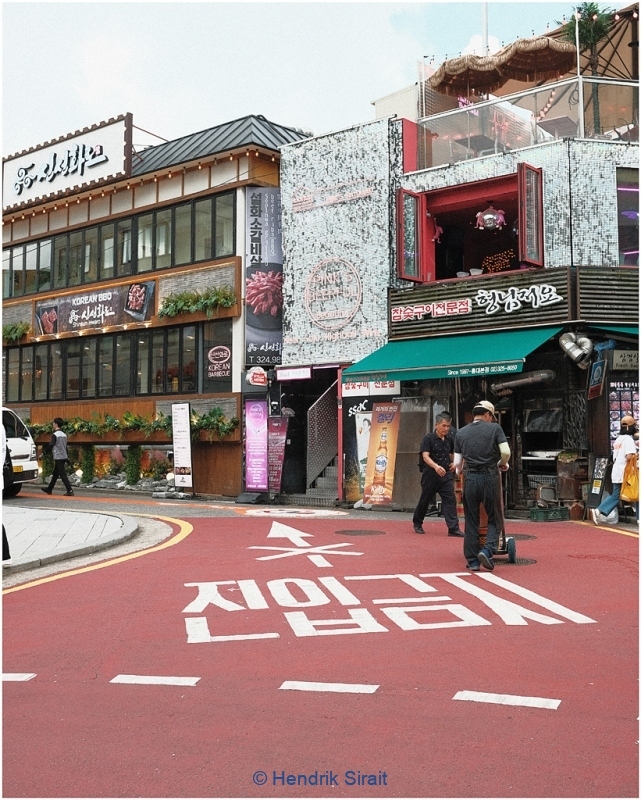
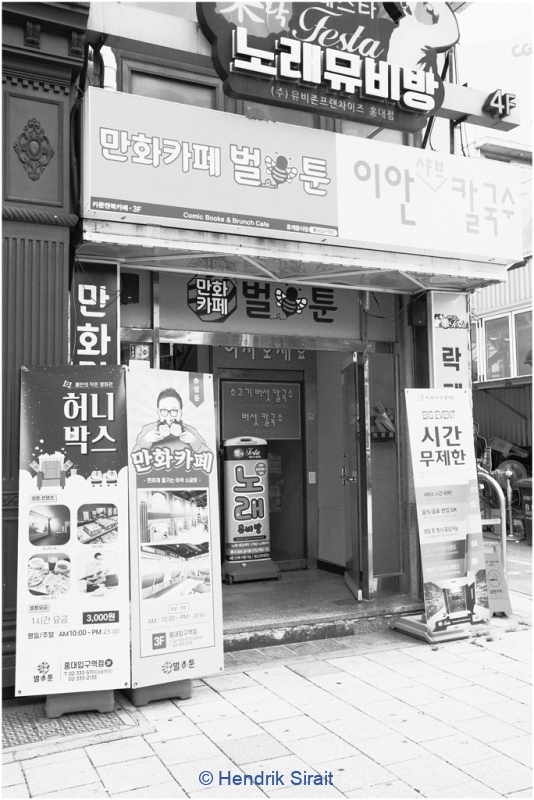
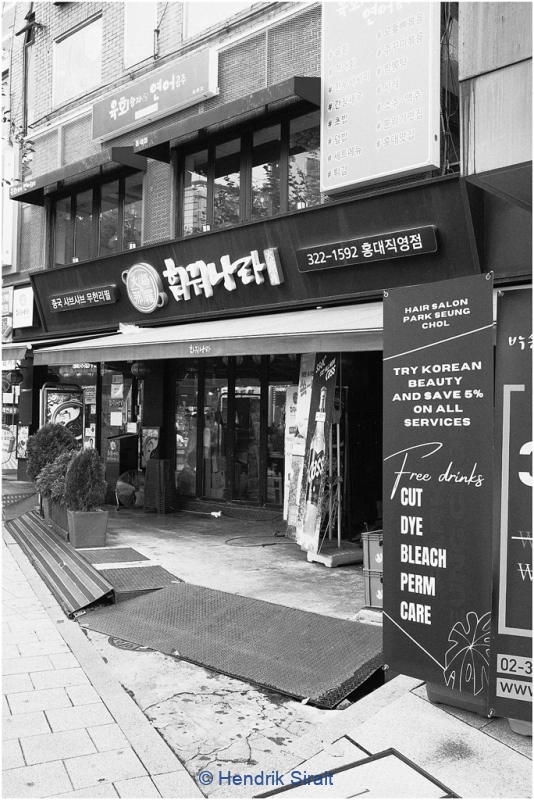
Hongdae StreetClick to open side panel for more information encapsulates the youthful energy of Seoul, sitting right next to Hongik University. It is famous for its independent fashion boutiques, quirky theme cafes, and buzzing nightlife.
- Street Busking: On any given evening, you can watch talented local youth performing K-pop dance routines or acoustic sets in designated street zones.
- Nightlife: The area is packed with indie bars, clubs, and late-night eateries that keep going until dawn.
The Culinary Experience
Korean food is a major highlight of any trip to Seoul, balancing savory, spicy, and fermented flavors.
Gwangjang Market
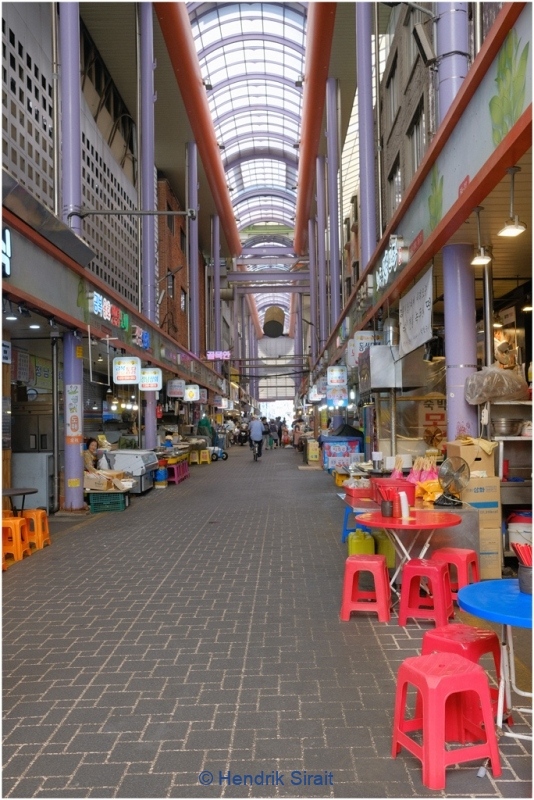
Gwangjang MarketClick to open side panel for more information is one of the oldest and largest traditional markets in South Korea, serving as a legendary foodie paradise where you can sit on benches right in front of the vendors.
- Signature Dishes: Must-tries include bindaetteok (crisp, shallow-fried mung bean pancakes), mayak gimbap (addictive mini rice rolls), and steaming bowls of handmade kalguksu (knife-cut noodles).
- Vibe: It offers a chaotic, authentic, and incredibly delicious sensory experience featured widely on travel and food shows.
Other Iconic Food Experiences:
- Korean BBQ (Gogigui): Sizzling thick cuts of samgyeopsal (pork belly) or marinated beef cooked on a charcoal grill right at your table, wrapped in lettuce leaves with garlic and ssamjang paste.
- Chimaek (Chicken + Beer): Crispy, double-fried Korean chicken tossed in sweet, spicy, or garlic sauces, paired with an ice-cold draft beer.
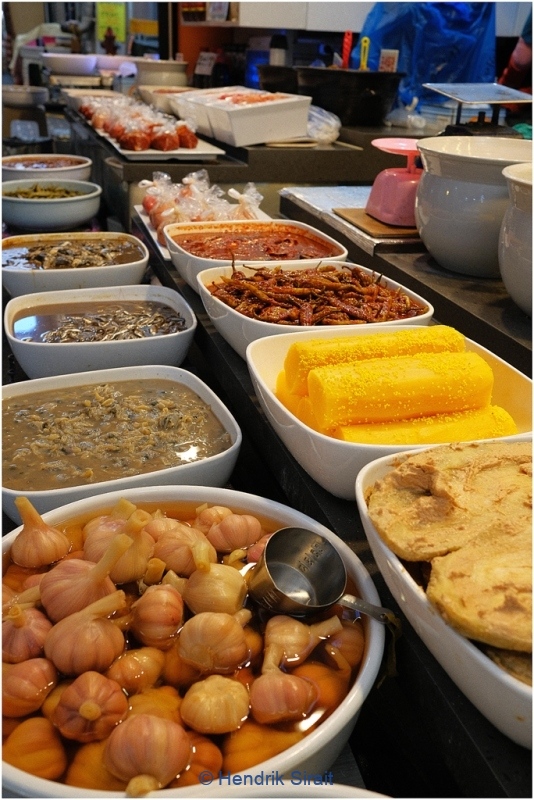
- Kimchi & Mandu: Savory fermented cabbage side dishes accompanying every meal, alongside plump Korean dumplings stuffed with meats and vegetables.
What to Prepare (Traveler’s Checklist)
- Apps to Download: Google Maps does not provide walking or driving directions in South Korea due to national security data laws. You must download Naver Maps or KakaoMap to navigate the city, along with Kakao T for hailing taxis.
- Transportation: Buy a T-money Card at any convenience store or subway station upon arrival. You can load it with cash to tap-and-ride the incredibly clean, efficient, and English-signposted Seoul subway system.
- Connectivity: Reserve an eSIM or pocket Wi-Fi ahead of time to pick up at Incheon International Airport. Having reliable high-speed data is crucial for using live translation and mapping apps.
- Cash vs. Card: Seoul is heavily cashless, and international credit cards are widely accepted almost everywhere. However, you should still carry some physical Korean Won cash for street food stalls, market vendors, and recharging your T-money card.
- Visa Requirements: Ensure you check if your country requires an entry visa or a K-ETA (Korea Electronic Travel Authorization) approval online prior to boarding your flight.
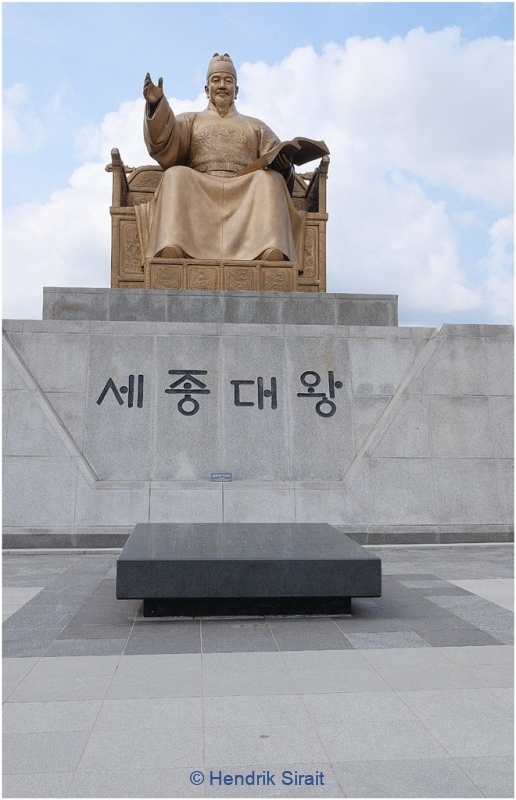
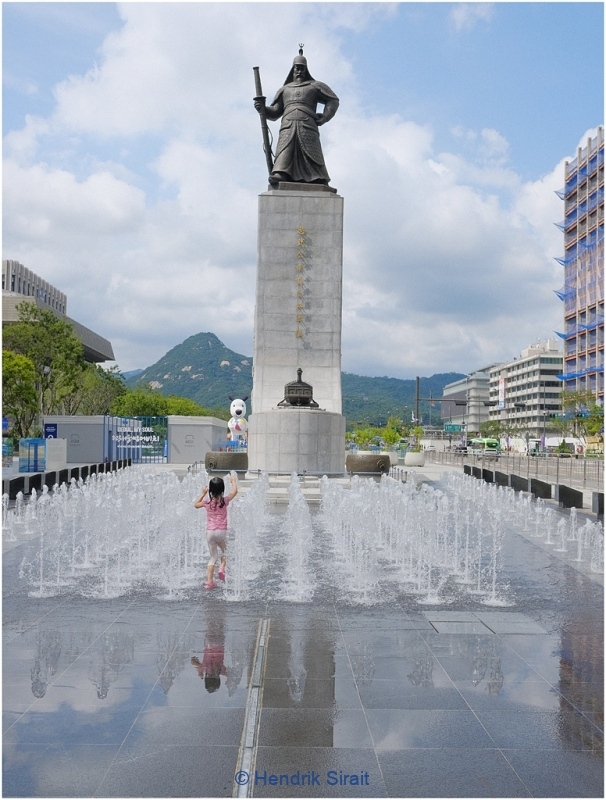
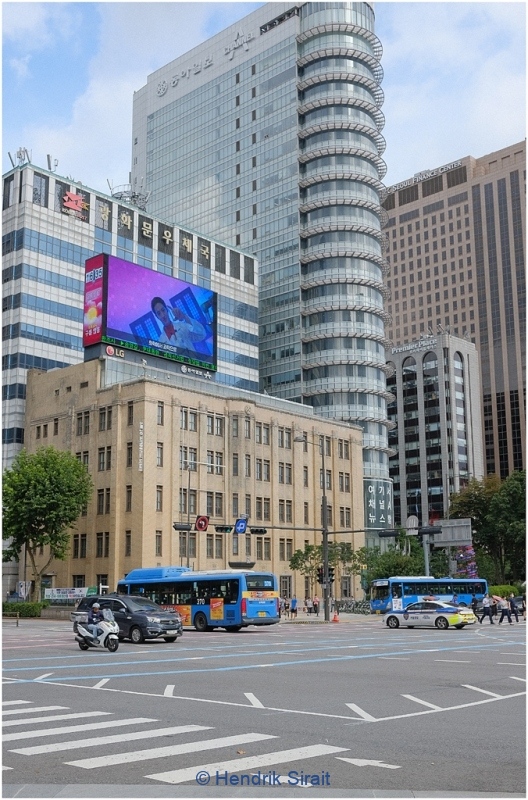
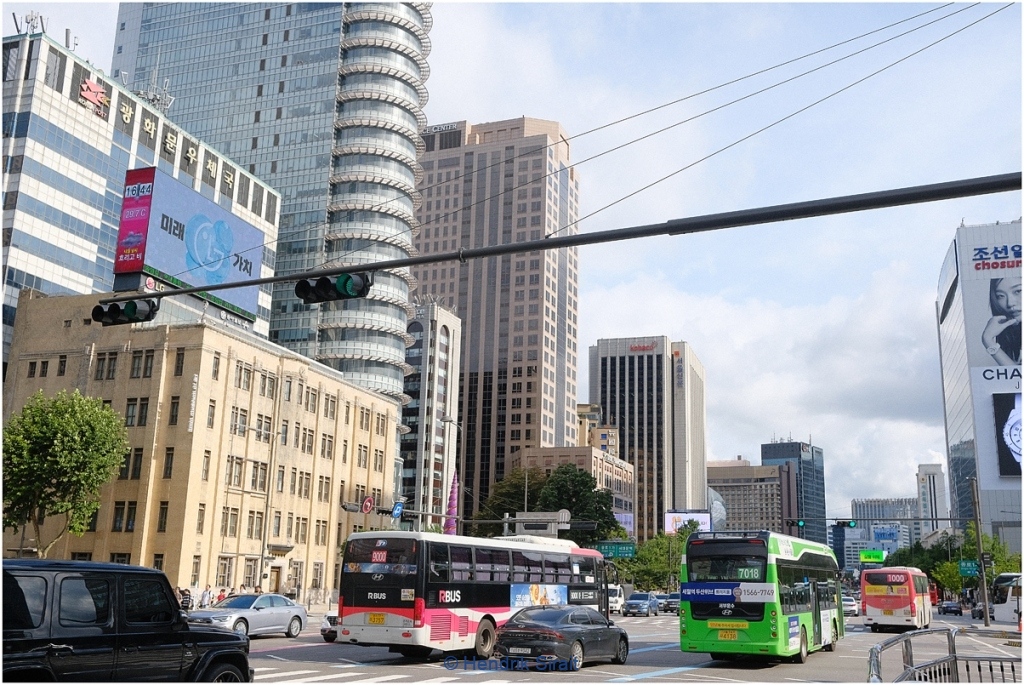
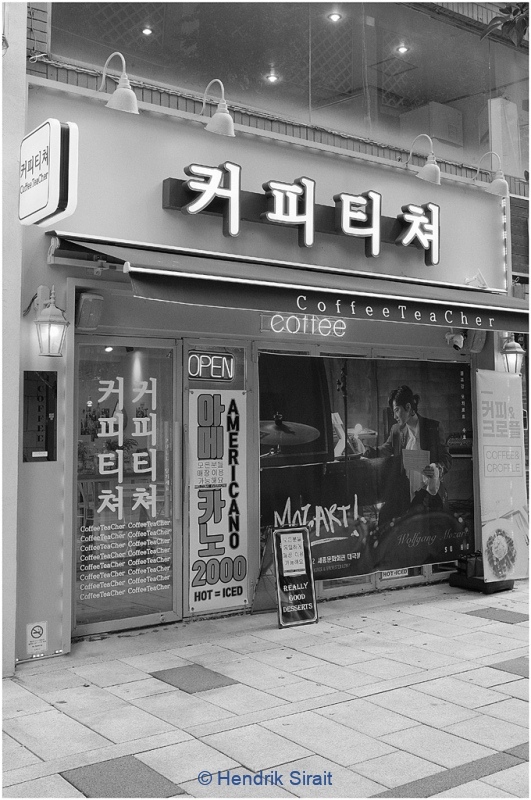
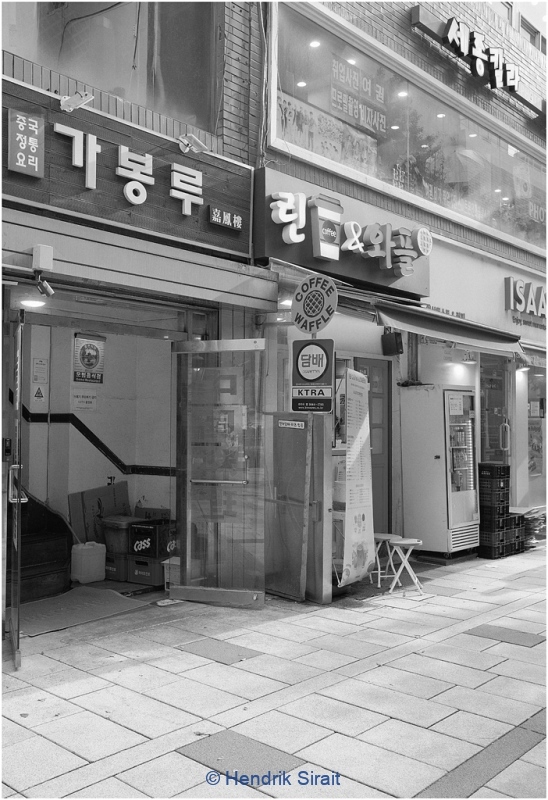
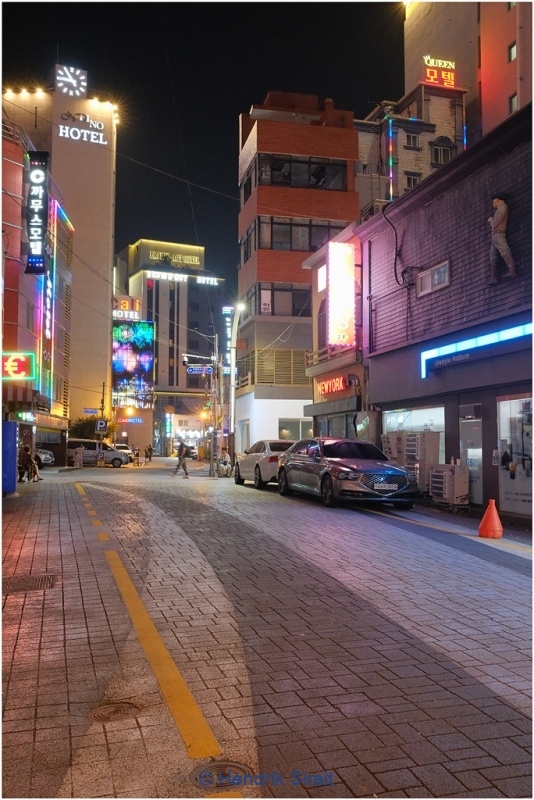
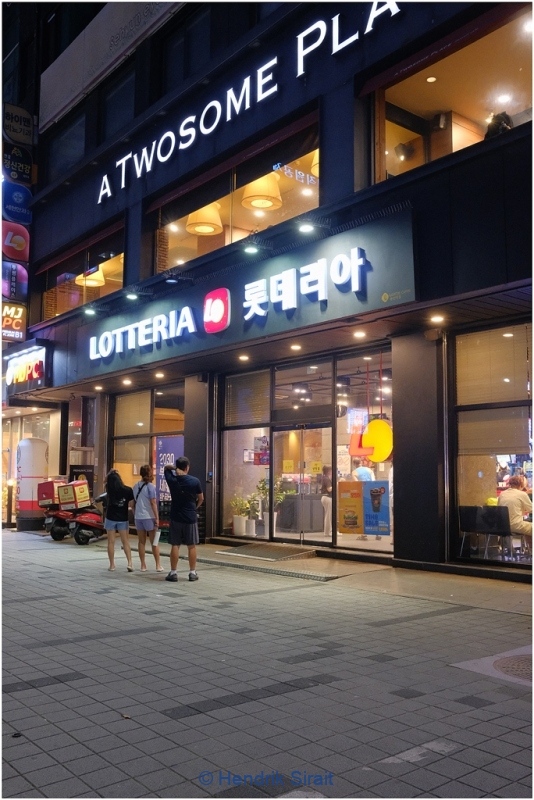
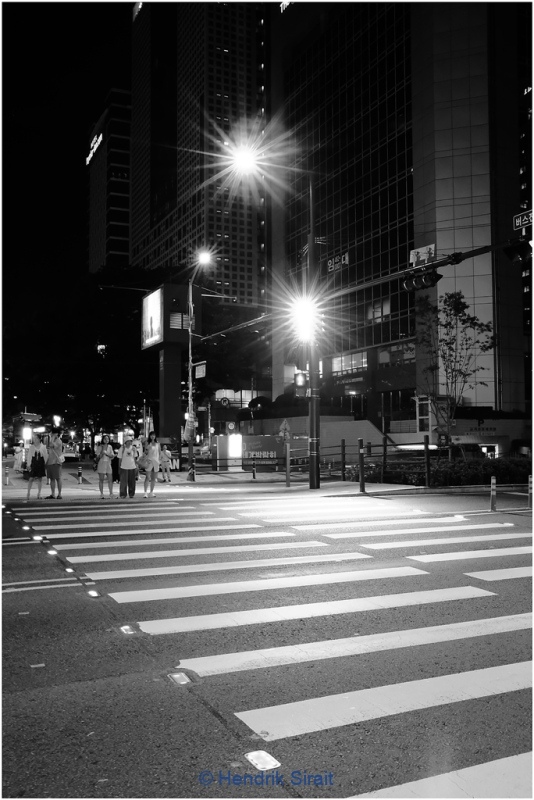
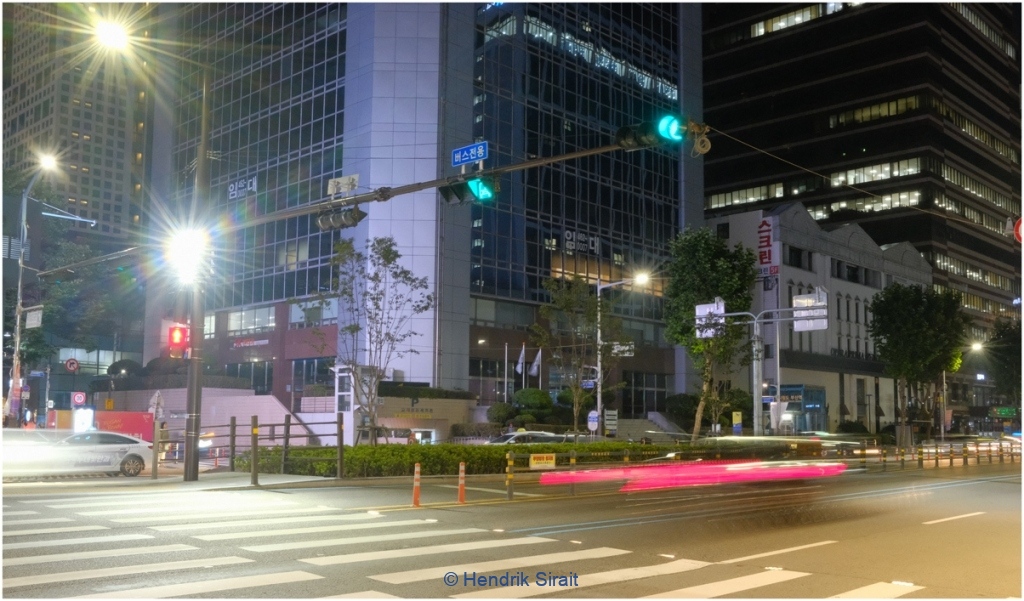
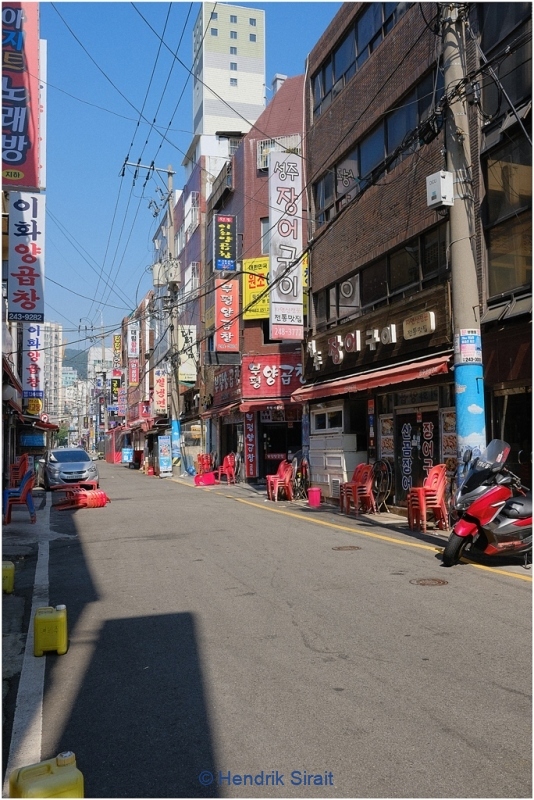
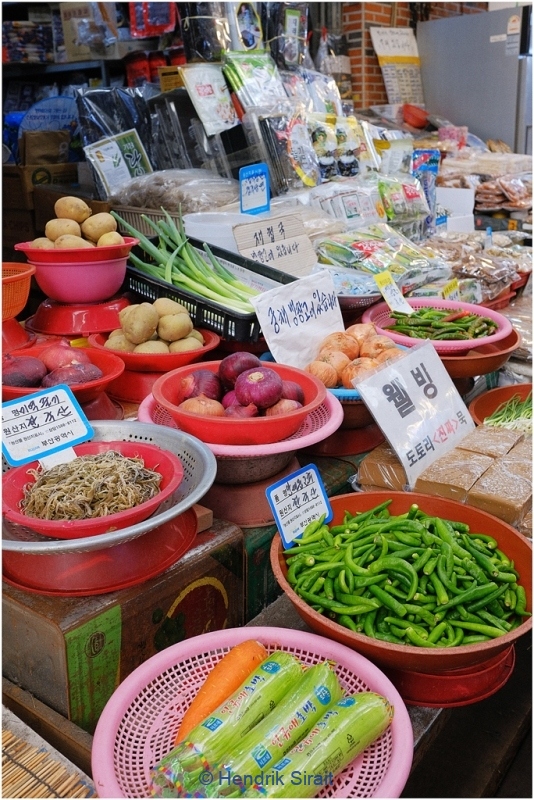
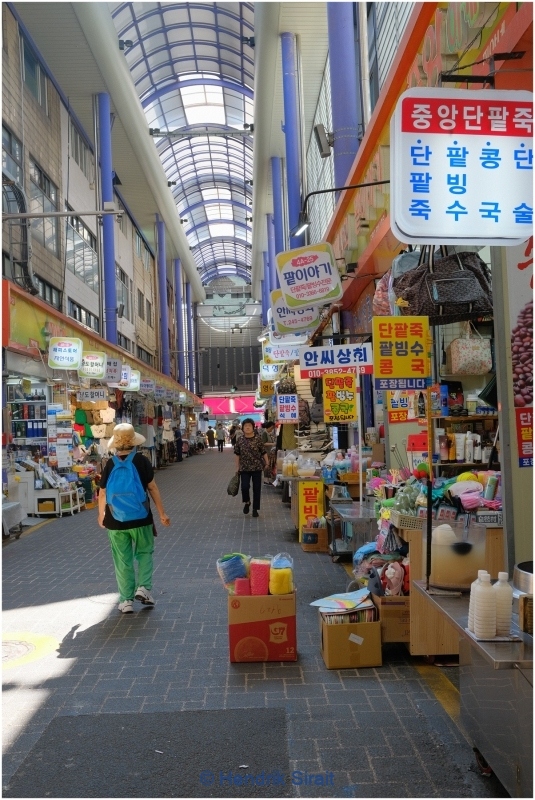
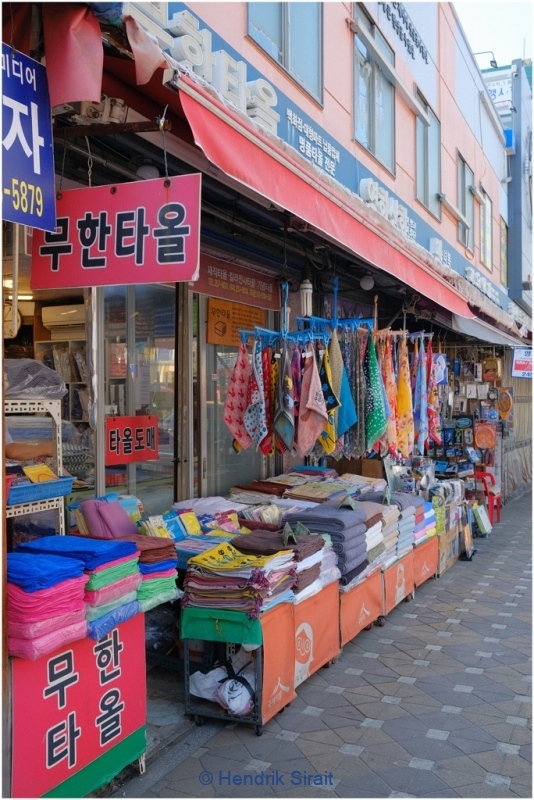
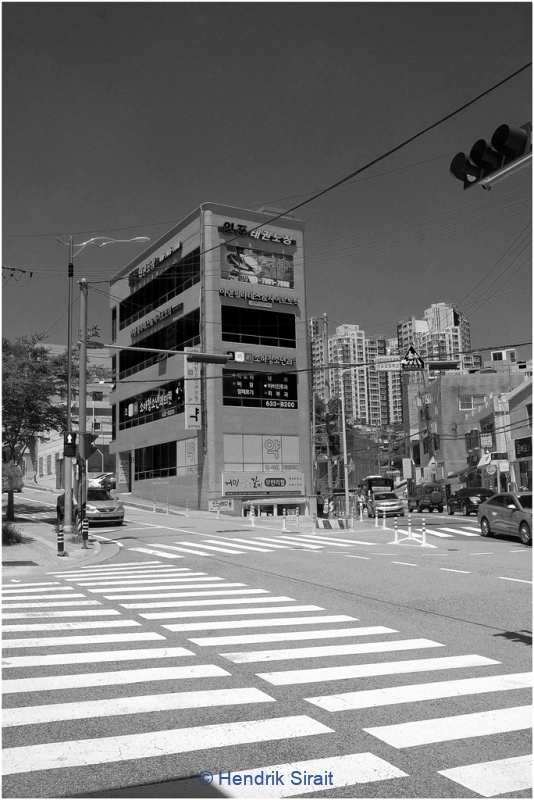
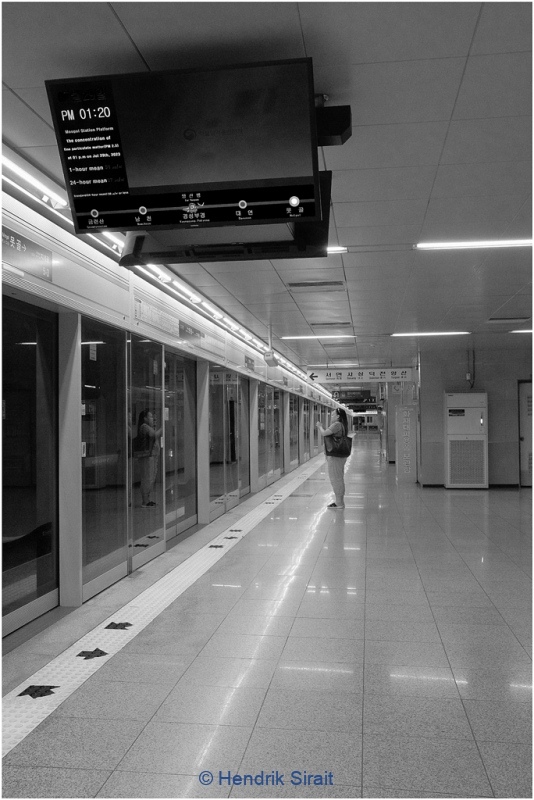
During my vising i made also some pictures as my memory collection, you can see all the galery as in below


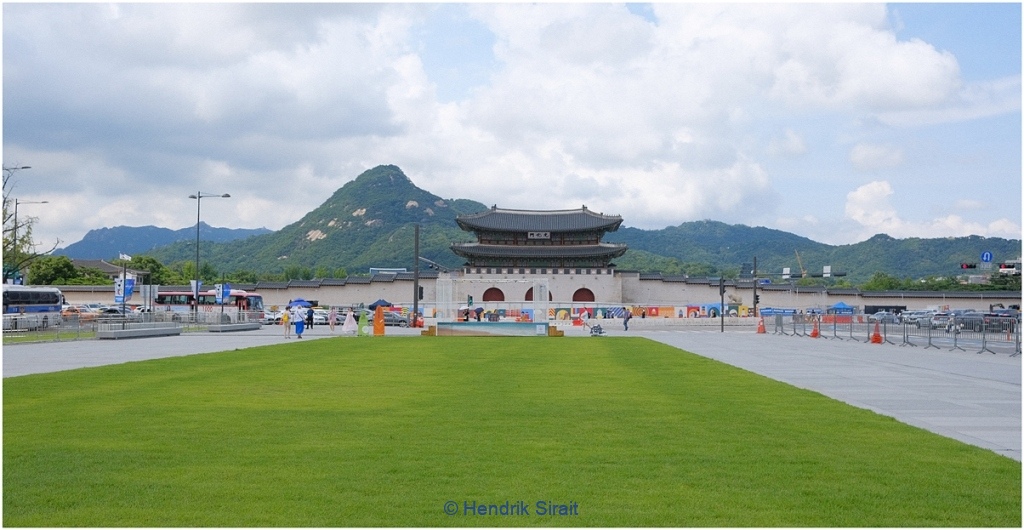












Thank you for visiting my website and any comments or request are very welcome.
Regards,
Hendrik