Busan – South Korea
Busan is South Korea’s second-largest metropolis and its premier coastal destination. Where Seoul is fast-paced and landlocked, Busan is a laid-back port city defined by beautiful sandy beaches, jagged mountain ranges, coastal temples, and incredible seafood. Taking the high-speed KTX train from Seoul can get you to Busan in just under three hours, making it an essential second stop on any trip to Korea.
Best Time to Visit
The timing for Busan is slightly different than Seoul because it is a major maritime beach town.
- Summer (July to August): This is the ultimate peak season. The city explodes with energy, beach festivals, and night markets. However, the beaches are incredibly crowded and accommodation prices spike.
- Autumn (September to November): This is the sweet spot. The weather is crisp and clear, perfect for coastal hikes and exploring. Plus, the city hosts the prestigious Busan International Film Festival every October, filling the streets with cinematic buzz.
- Spring (April to May): A lovely choice with mild temperatures and cherry blossoms blooming slightly earlier here than in Seoul.
Top Places to Visit
Busan’s layout is expansive, stretching far across the coastline, with each pocket offering a entirely unique vibe.
Haeundae Beach
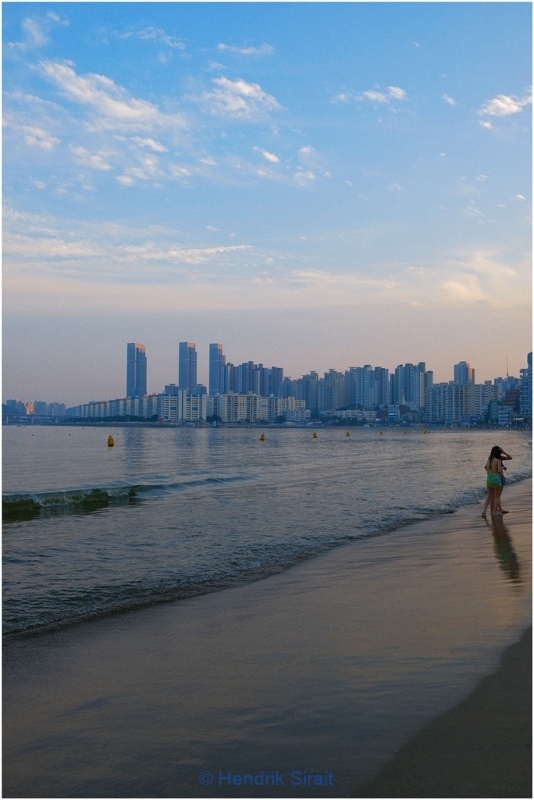
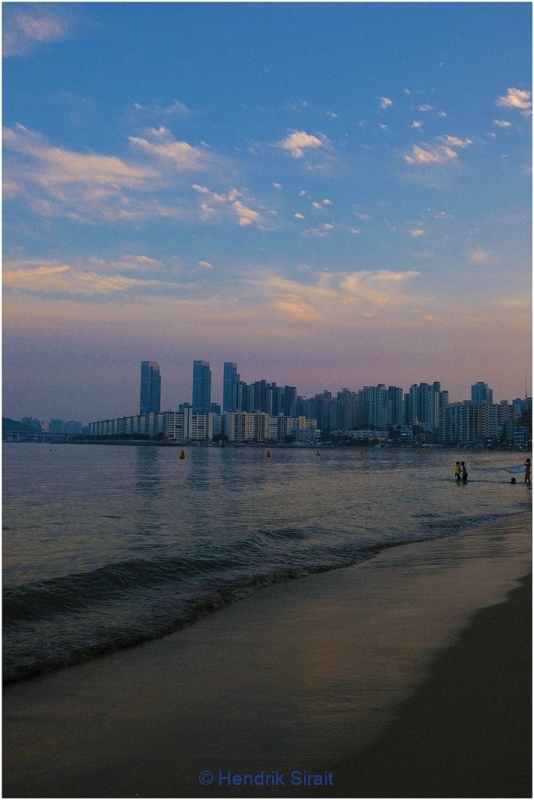
Haeundae BeachClick to open side panel for more information is South Korea’s most famous and popular beach. Framed by a spectacular luxury skyscraper skyline, this stretch of golden sand is the center of resort life, dining, and luxury hotels.
- Blueline Park: Right next to the beach, you can ride the highly photogenic, colorful retro Sky Capsules that glide slowly on an elevated track right over the ocean cliffs.
- City Energy: The beachfront promenade is bustling day and night with buskers, upscale restaurants, and lively market lanes.
Gwangalli Beach
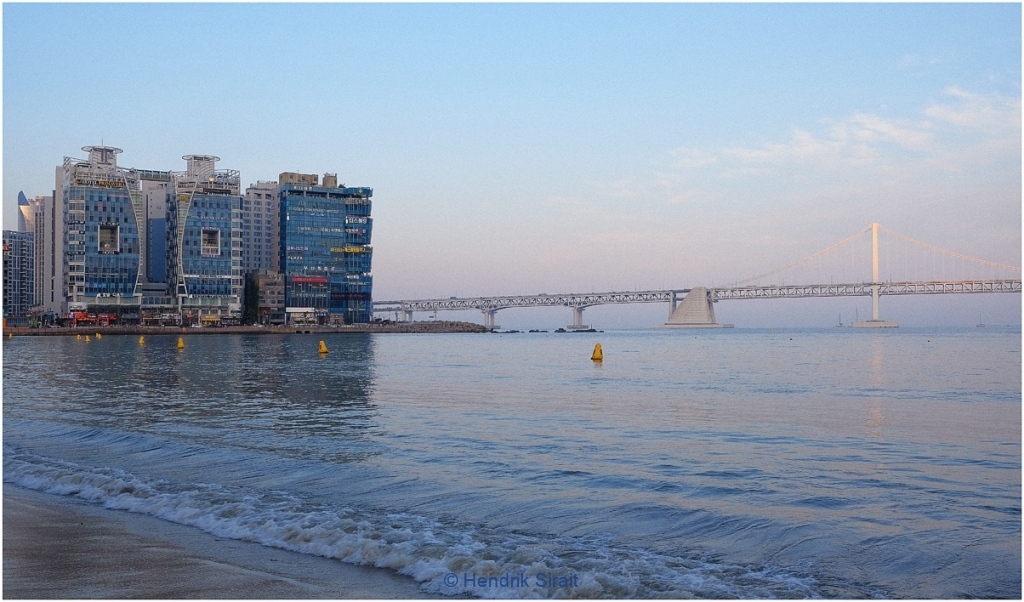
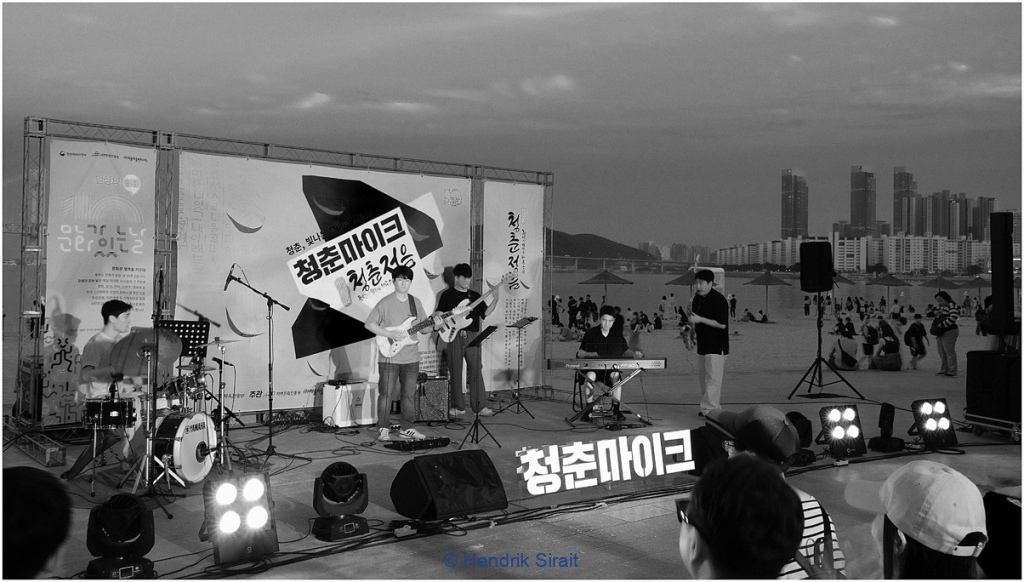
Gwangalli BeachClick to open side panel for more information is preferred by many travelers looking for a slightly more youthful and artsy neighborhood vibe. The crescent-shaped beach looks directly out over the iconic Gwangan Bridge suspended over the sea.
- Night Views: The area truly comes alive after dark when the bridge lights up in a shifting neon light show, reflecting beautifully over the water.
- Weekend Drone Shows: On Saturday nights, thousands gather on the sand to watch massive, synchronized drone art displays in the night sky.
Gamcheon Culture Village
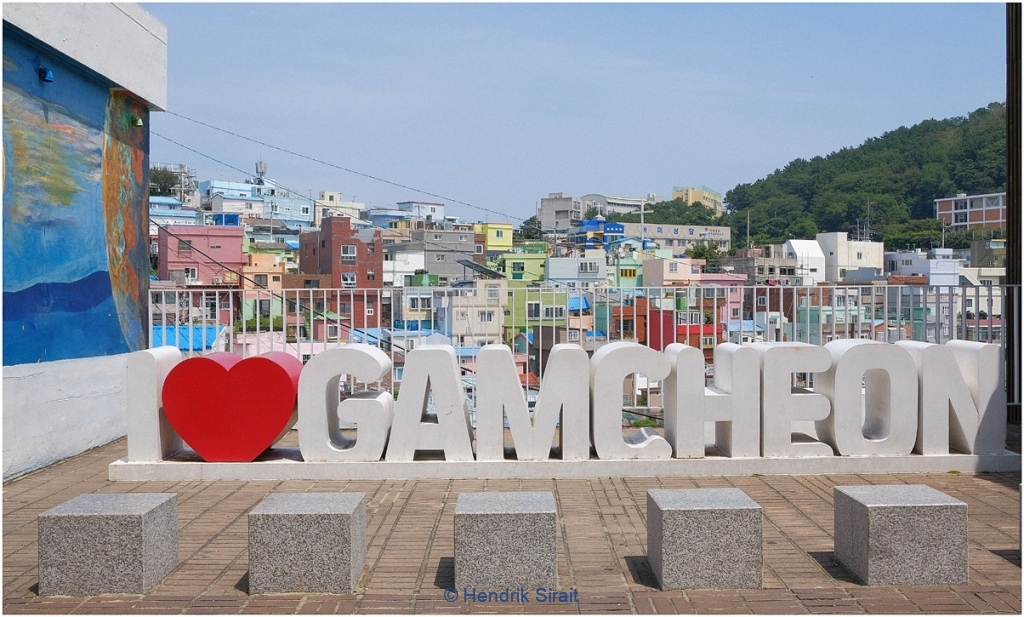
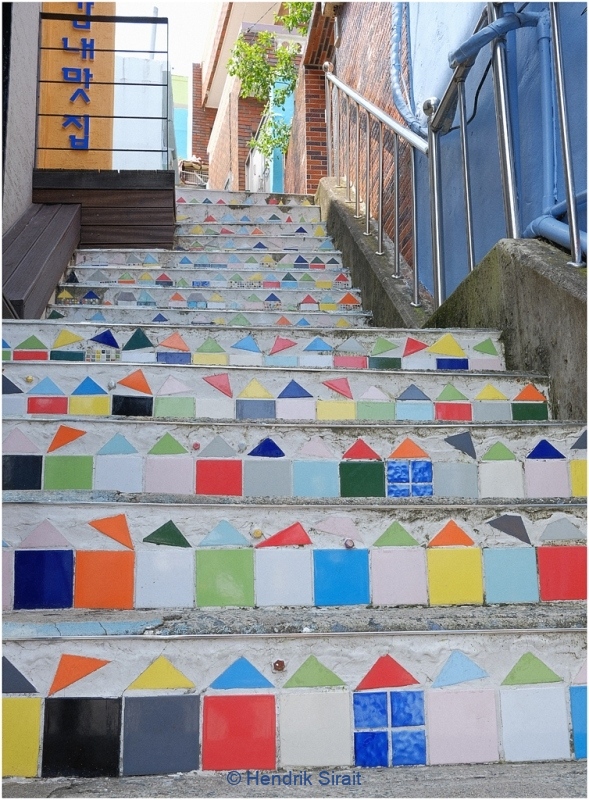
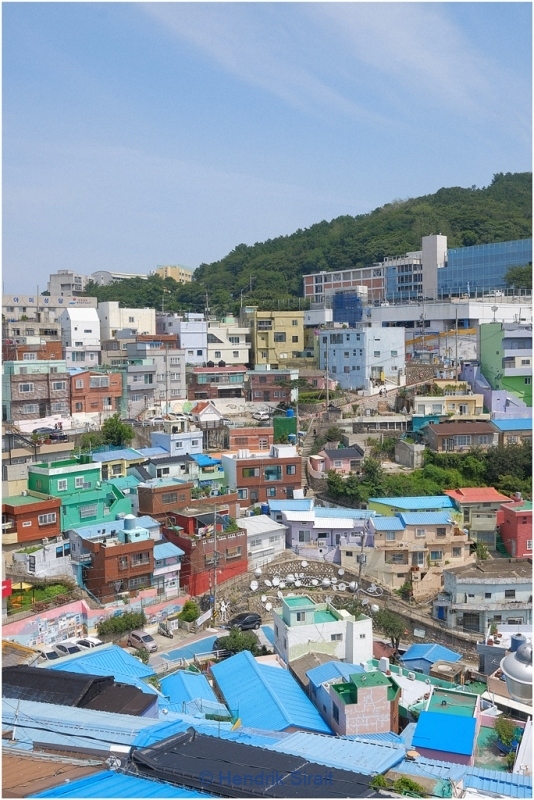
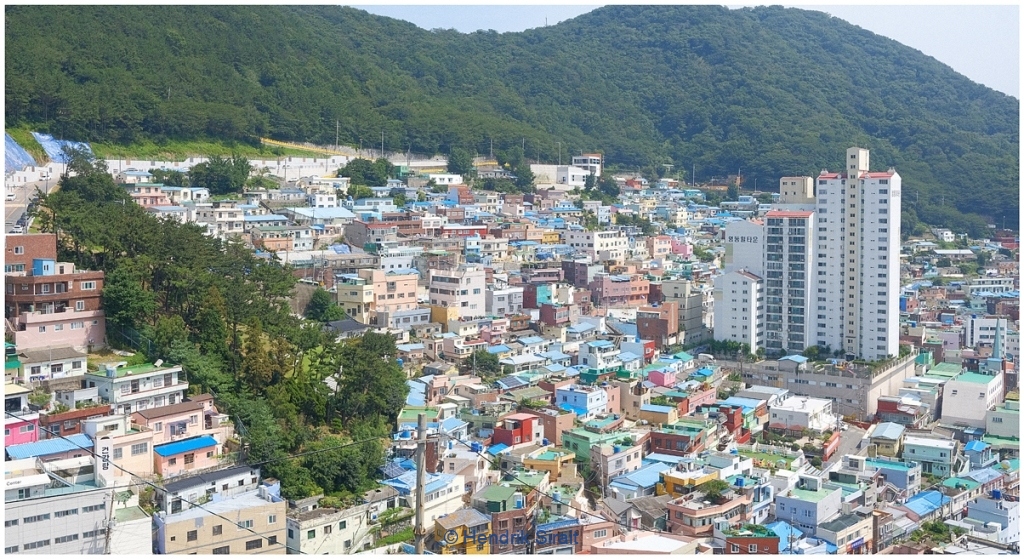
Gamcheon Culture VillageClick to open side panel for more information is a vibrant mountainside community known as the “Machu Picchu of Busan.” Originally built as a refugee settlement during the Korean War, it was transformed by artists into a pastel-colored, terraced neighborhood full of winding stairs and alleyways.
- Art Trails: The village is packed with street murals, quirky art installations, and hidden vantage points.
- The Little Prince: The most famous photo spot in the village is a statue of the Little Prince and his fox sitting on a ledge looking out over the colorful rooftops and the harbor.
Haedong Yonggungsa Temple
Haedong Yonggungsa TempleClick to open side panel for more information stands out drastically from most Korean temples, which are typically tucked deep into quiet mountains. Built in 1376, this stunning Buddhist temple is perched dramatically on rocky coastal cliffs directly facing the crashing waves of the East Sea.
- Breathtaking Sunrises: It is one of the premier spots in the country to watch the sun rise out of the ocean horizon.
- Wander the Grounds: Walking down the 108 stone steps lined with lanterns brings you directly to ocean-facing shrines and stone statues.
The Culinary Experience
Busan’s food scene reflects its coastal geography and history as a wartime safe haven, birthing rugged, soulful local dishes.
Jagalchi Market
Jagalchi MarketClick to open side panel for more information is South Korea’s largest seafood market, a massive indoor and outdoor facility sprawling along the harbor edge where the local ajummas (older women) handle the daily catch.
- Pick and Eat: The ultimate experience is picking out live fish, crab, prawns, or exotic sea creatures from the tanks on the ground floor, and taking them up to the second-floor restaurants to be prepared raw (hwe) or grilled on the spot.
- Freshness: The quality is unmatched, accompanied by an authentic, noisy, raw slice of local maritime life.
Other Iconic Busan Food Experiences:
- Dwaeji Gukbap (Pork Rice Soup): Busan’s ultimate soul food. A steaming, rich, milky pork bone broth loaded with tender slices of pork belly, rice, and chives. You season it to your liking at the table using salted shrimp and spicy paste.
- Milmyeon: Cold wheat noodles served in a refreshing, icy broth (or mixed with sweet and spicy pepper sauce). It was created during the war by refugees using wheat flour provided by humanitarian aid because traditional buckwheat was unavailable.
- Ssiat Hotteok: A sweet, fried street pancake. Unlike the Seoul version, Busan’s hotteok is sliced open after frying and stuffed to the brim with a crunchy, sweet mixture of sunflower seeds, pumpkin seeds, pine nuts, and brown sugar syrup.
What to Prepare (Specific to Busan)
- Get a Visit Busan Pass: If you plan on visiting major paid sights (like the Songdo Cable Car, Spa Land, or the Haeundae Blueline Park), this digital pass offers incredible value, granting free or heavily discounted entry to dozens of top attractions.
- Transit Planning: Unlike Seoul’s uniform grid, Busan is divided by mountains. Taking the subway is great, but because the tracks go around the mountains, utilizing local buses or taxis is often significantly faster for coastal spots. Keep your Naver Maps or KakaoMap running to check the fastest routes.
- Accommodation Strategy: Decide your vibe before booking. Stay in Seomyeon if you want central transit hubs and nightlife, Haeundae for a luxury beach vacation, or Gwangalli for trendy cafes and nightly bridge views.
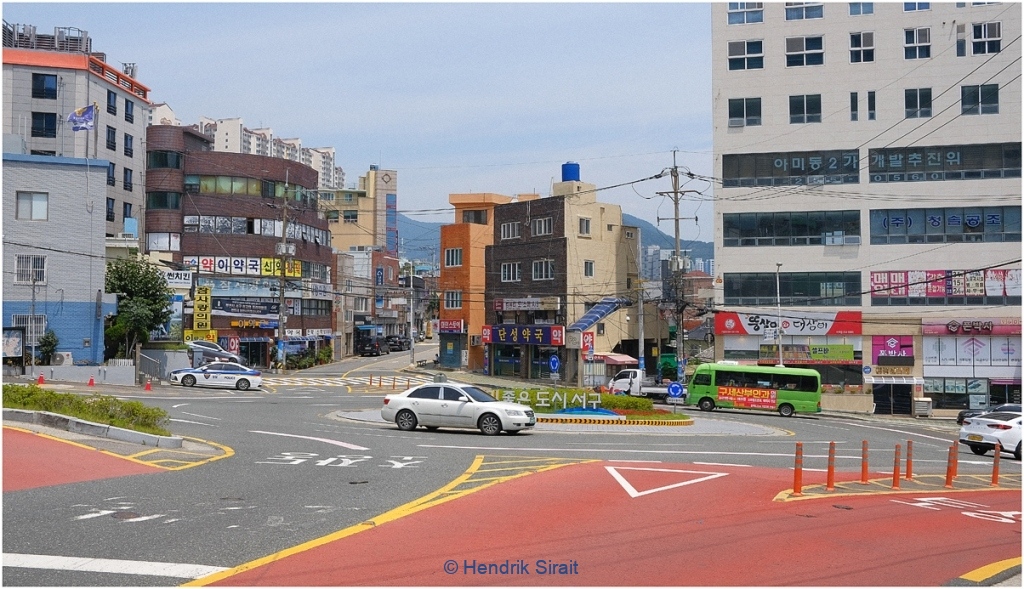
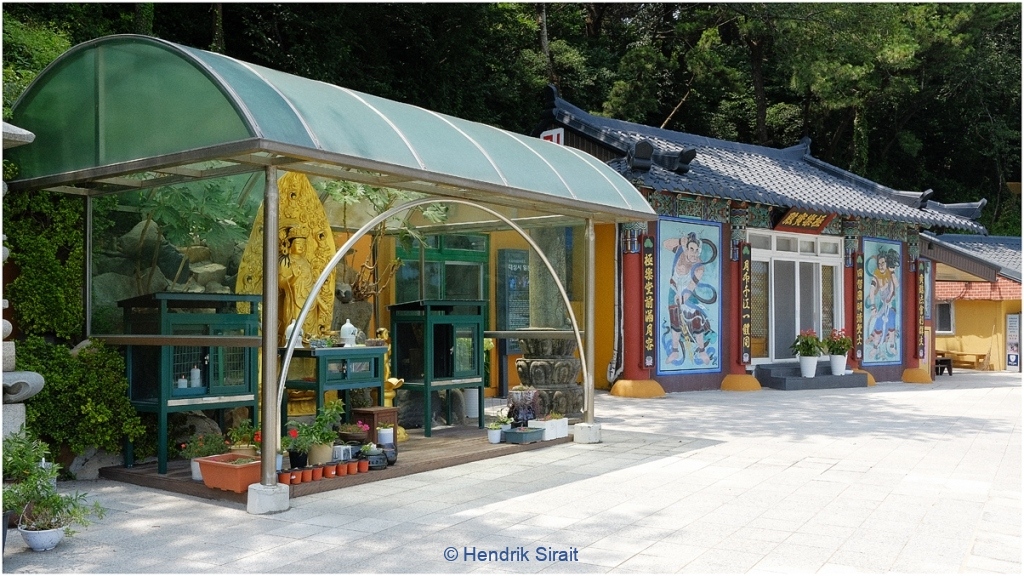
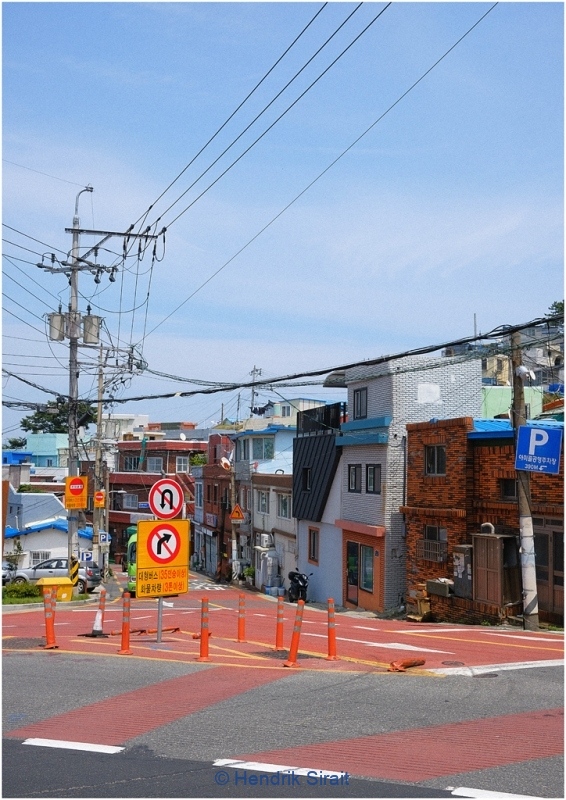
There are some memory recorded during my visiting to Busan, feel free to browse my gallery below








Thank you for visiting my website and any comments or request are very welcome
Regards,
Hendrik