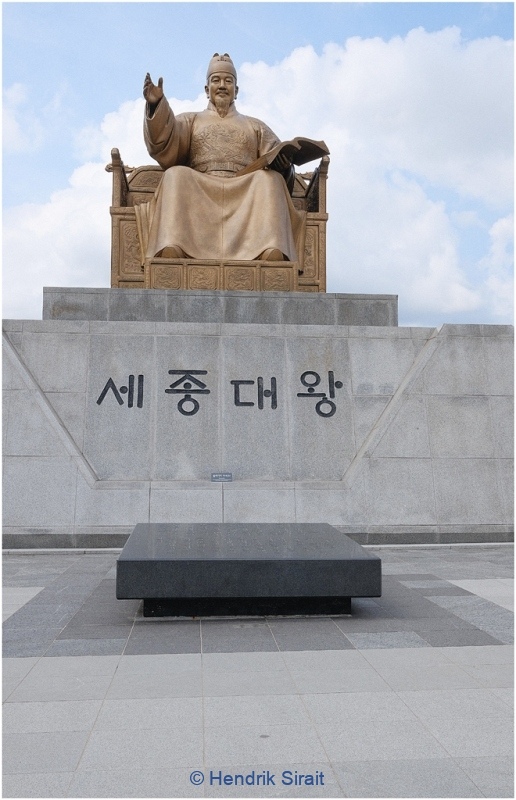
Colmar
Colmar is the ultimate textbook picture-perfect town. Located in the Alsace region of northeastern France, right near the German border, it is widely celebrated as one of the most enchanting destinations in Europe.
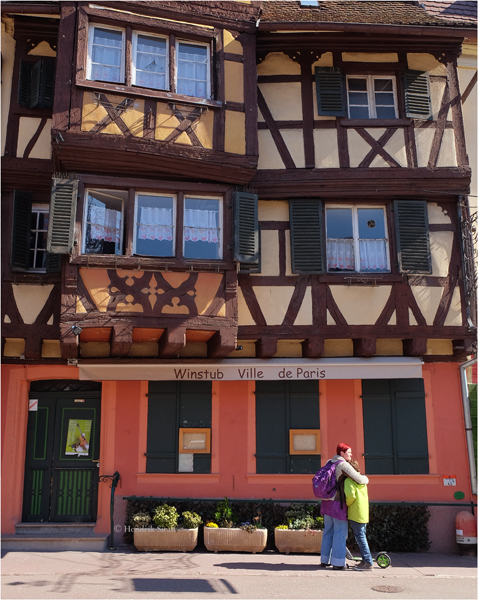
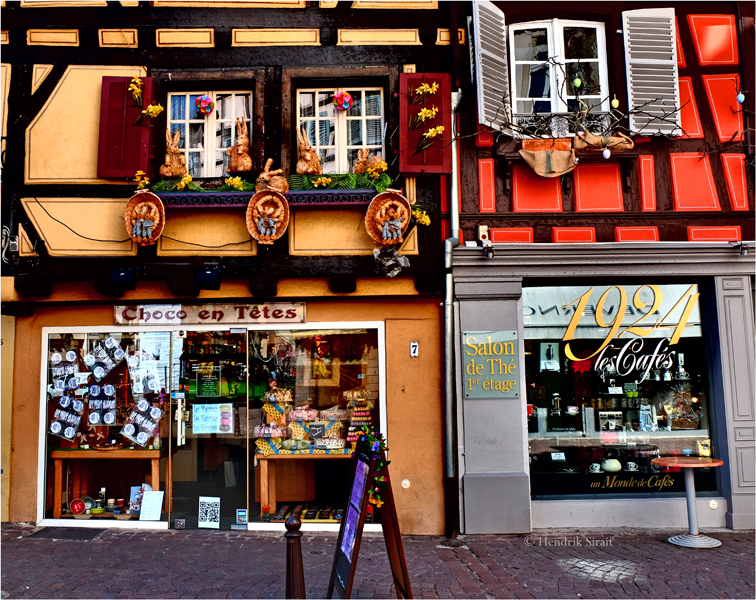
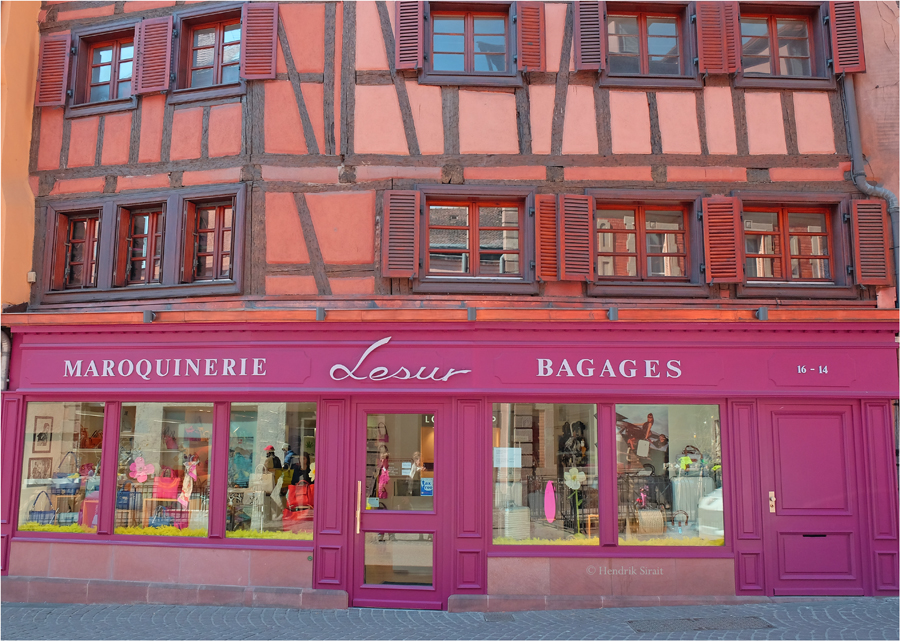
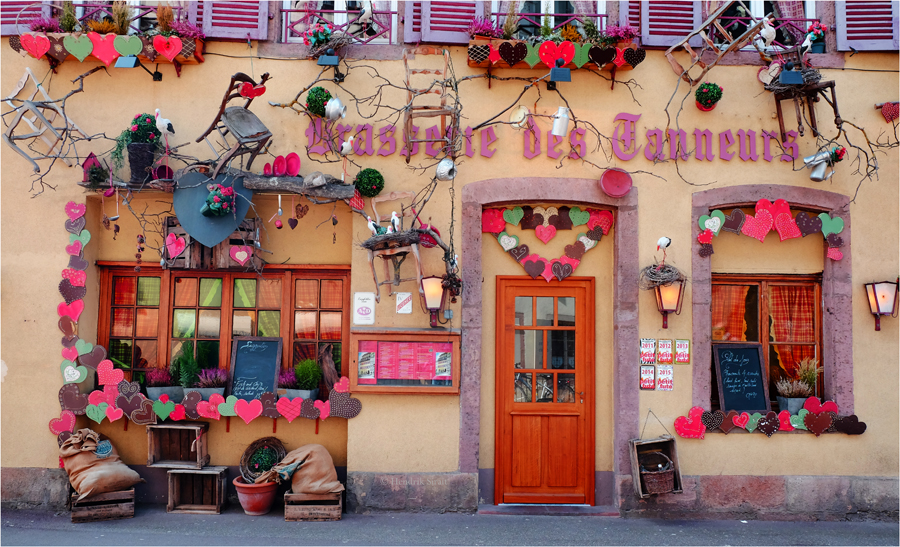
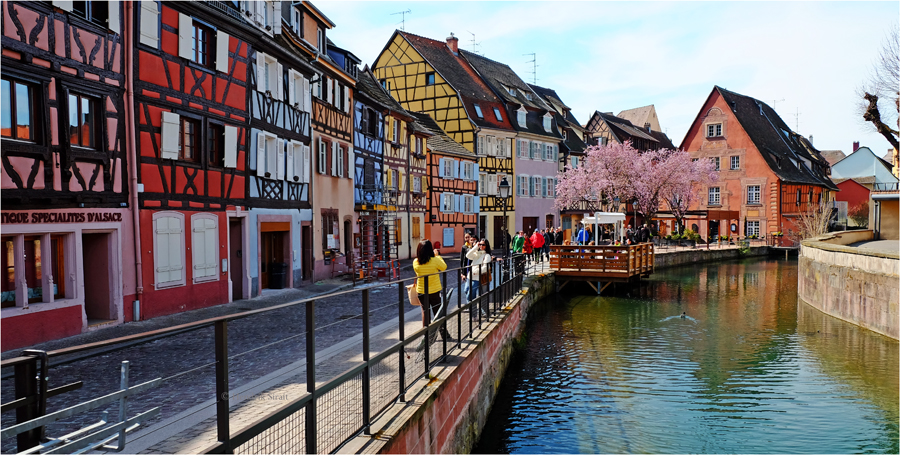
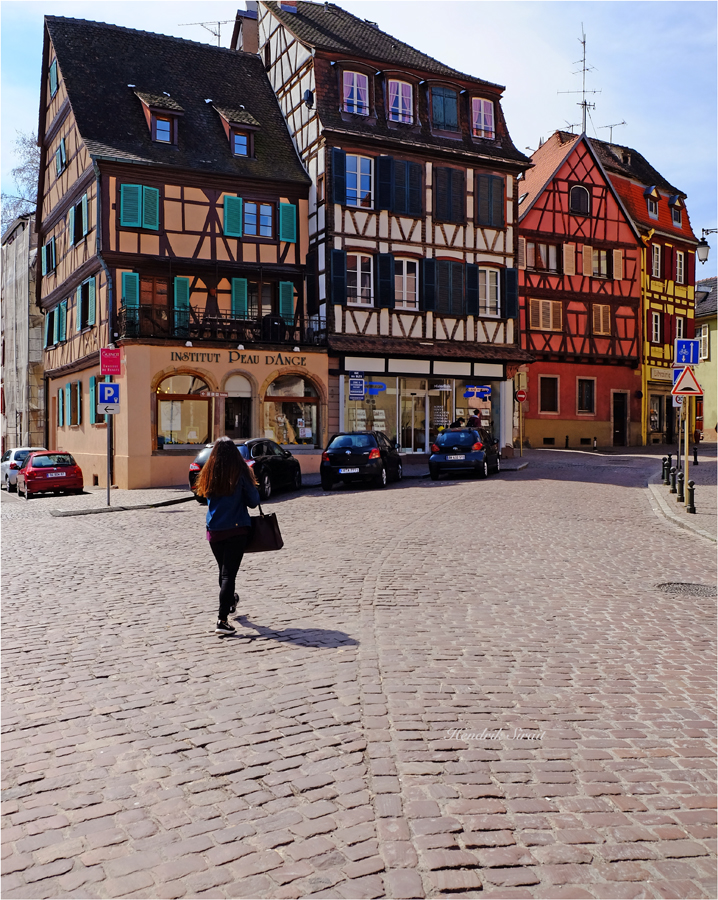
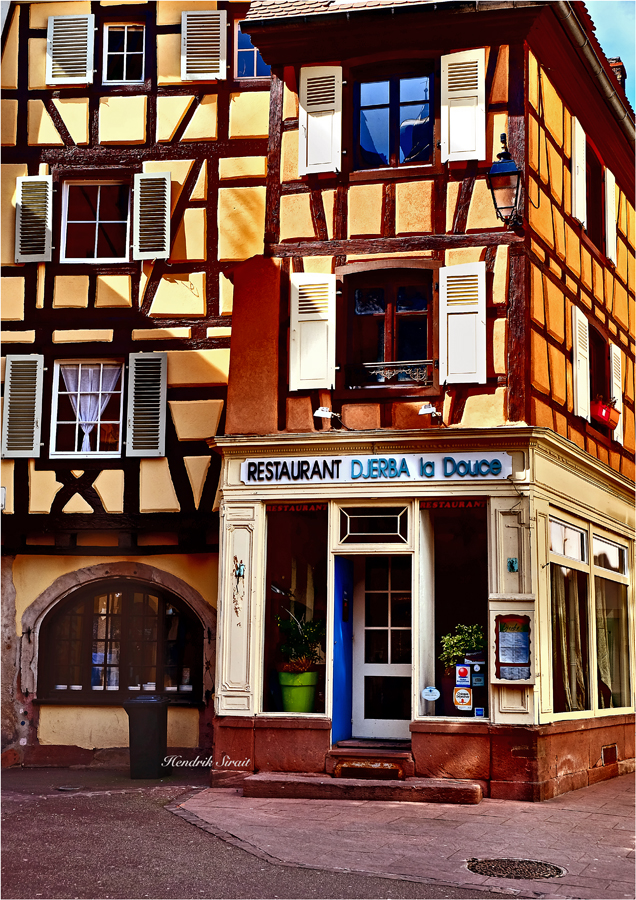
Because the Alsace region bounced back and forth between France and Germany for centuries, Colmar developed a completely unique, cross-border identity. Walking through its historic streets feels like stepping inside a Disney fairy tale—it is a stunning landscape of pastel-colored, half-timbered houses, flower-lined canals, and cobblestone lanes. Famously, the town was largely spared from destruction during World War II, meaning its medieval and Renaissance architecture remains completely authentic and intact.
Best Time to Visit
Colmar is highly seasonal and experiences two major, world-famous peak tourist windows.
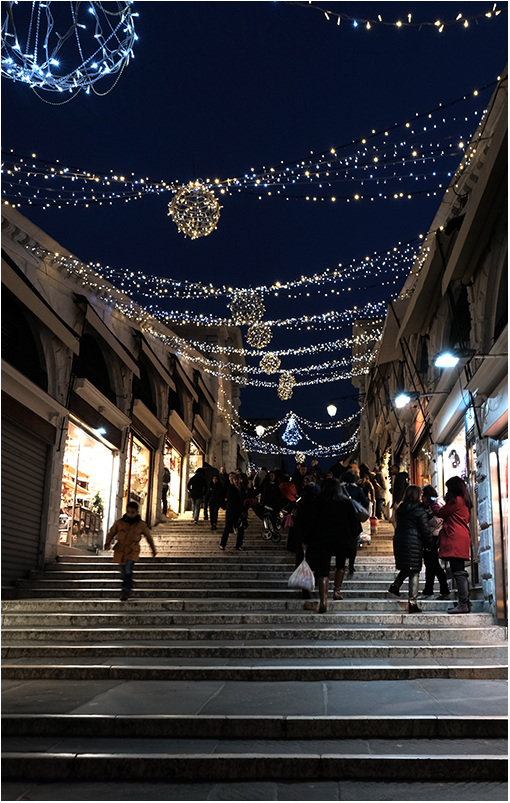
- The Christmas Market Season (Late November to December 30th): Colmar is home to one of the most magical Christmas markets in the world. The entire old town is decorated with thousands of lights, elaborate teddy-bear displays on building facades, and cozy wooden chalets selling hot mulled wine. It is incredibly romantic but very packed.
- Spring & Summer (May to August): The weather is warm and beautiful, and the town bursts into color as thousands of bright geraniums and petunias are hung from every balcony and bridge over the canals.
- Autumn (September to October): This is the ultimate sweet spot for food and wine lovers. Colmar is the self-proclaimed capital of the Alsace Wine Route. Autumn brings the grape harvest, wine festivals in neighboring villages, and gorgeous autumn colors across the surrounding vineyards.
Top Places to Visit
Colmar’s old town is compact and entirely pedestrianized, making it an absolute joy to explore slowly on foot.
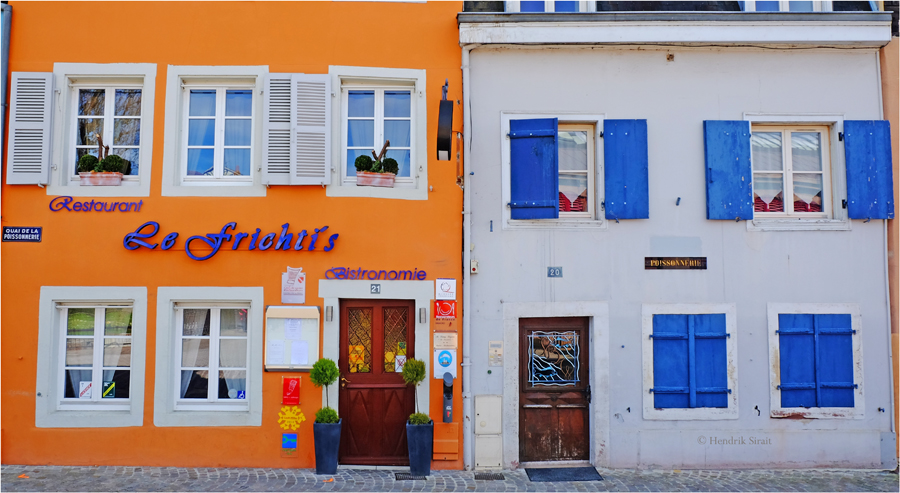
La Petite Venise (Little Venice) is the most iconic, photographed neighborhood in the town. It is a scenic section where the Lauch River snakes directly past the backs of ancient tanners’ and fishmongers’ houses.
- The Boat Tour: You can board a flat-bottomed wooden boat for a quiet, 30-minute cruise along the shallow canal. The boatmen glide you under low stone bridges, offering an incredible perspective of the historic buildings.
Unterlinden Museum is housed inside a beautiful 13th-century Dominican convent. It is one of the most visited art museums in France outside of Paris.
- The Masterpiece: The museum is globally famous for housing the Isenheim Altarpiece (Retable d’Issenheim), a colossal, emotionally powerful Renaissance masterpiece painted by Matthias Grünewald in the early 16th century.
Adolf House (Maison Adolf) stands as the oldest surviving house in Colmar, built around 1350. You can admire its beautiful Gothic arched windows right in the center of the town squares.
- Maison Pfister: Just a short walk away is another architectural marvel built in 1537, famous for its wrap-around wooden galleries, octagonal turret tower, and intricate painted frescoes depicting biblical scenes.
The Statue of Liberty Connection: As you drive into Colmar, you will encounter a 12-meter-tall replica of the Statue of Liberty in the middle of a traffic circle. Why? Because Auguste Bartholdi, the brilliant sculptor who designed the original Statue of Liberty in New York, was born and raised right here in Colmar! You can visit his birthplace, which has been converted into the Musée Bartholdi.
The Culinary Experience: French Savory Meets German Hearty
Alsatian cuisine is a delicious hybrid, matching the high-quality refinement of French culinary technique with the generous, comforting portions of German cooking.
- Tarte Flambée (Flammekueche): The ultimate Alsatian comfort food. It is an incredibly thin, crispy bread dough rolled out flat, slathered with creme fraîche, and topped with smoky lardons (bacon bits) and thinly sliced onions, baked at blistering speeds in a wood-fired oven.
- Choucroute Garnie: A massive, mountain-like plate of hot, slow-simmered sauerkraut (fermented cabbage) cooked in local Riesling wine, served alongside heapings of sausages, thick cuts of pork belly, and boiled potatoes.
- Alsatian White Wines: Colmar sits in a unique microclimate that makes it one of the driest, sunniest regions in France, perfect for grape growing. Sip on a glass of crisp local Riesling, aromatic Gewürztraminer, or sparkling Crémant d’Alsace at a local tavern (Winstub).
What to Prepare (Traveler’s Checklist)
- Seamless Train Access: Colmar is incredibly well-connected. You can hop onto the French high-speed train (TGV) from Paris and arrive in Colmar in just 2 hours and 20 minutes. If you are already traveling in Switzerland, it is just a simple 45-minute direct regional train ride heading north from Basel.
- Rent a Bike for the Wine Route: While Colmar itself can be explored in a day, the surrounding countryside is dotted with equally stunning, fortified fairytale villages like Riquewihr, Eguisheim, and Kaysersberg. You can easily rent an e-bike in Colmar and follow the flat, signposted bike paths through the vineyards to visit them.
- Language Dynamic: Everyone speaks French, but because of the geography and history, many locals (especially the older generation) speak Alsatian—a Germanic dialect—and almost everyone working in the tourism industry speaks excellent German and English.
- Book Sunday Dining Ahead: France takes its Sundays seriously. Many independent shops, bakeries, and traditional Winstubs in Colmar close completely on Sundays. If you are staying over the weekend, make sure to research and book your Sunday dinner spot a day or two in advance.


Regards,
Hendrik