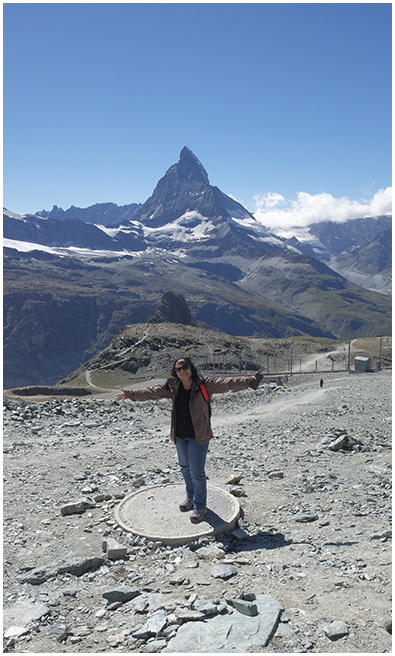
Foroglio
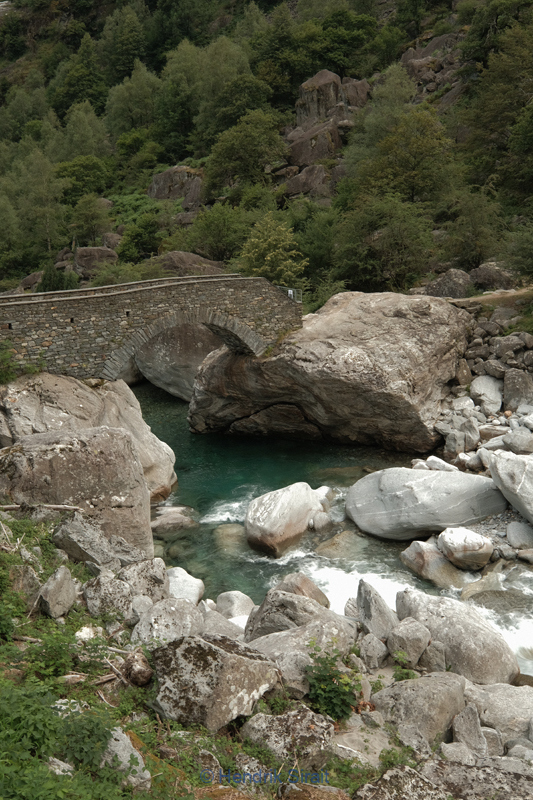
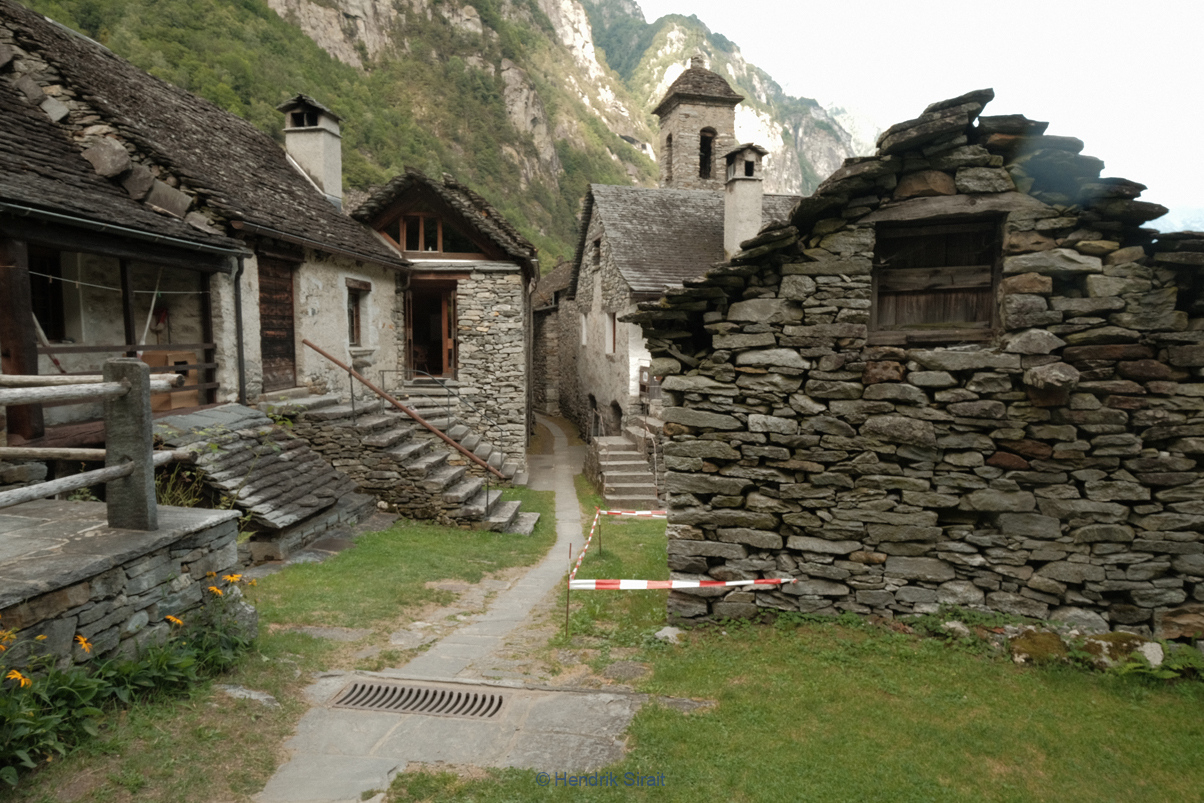
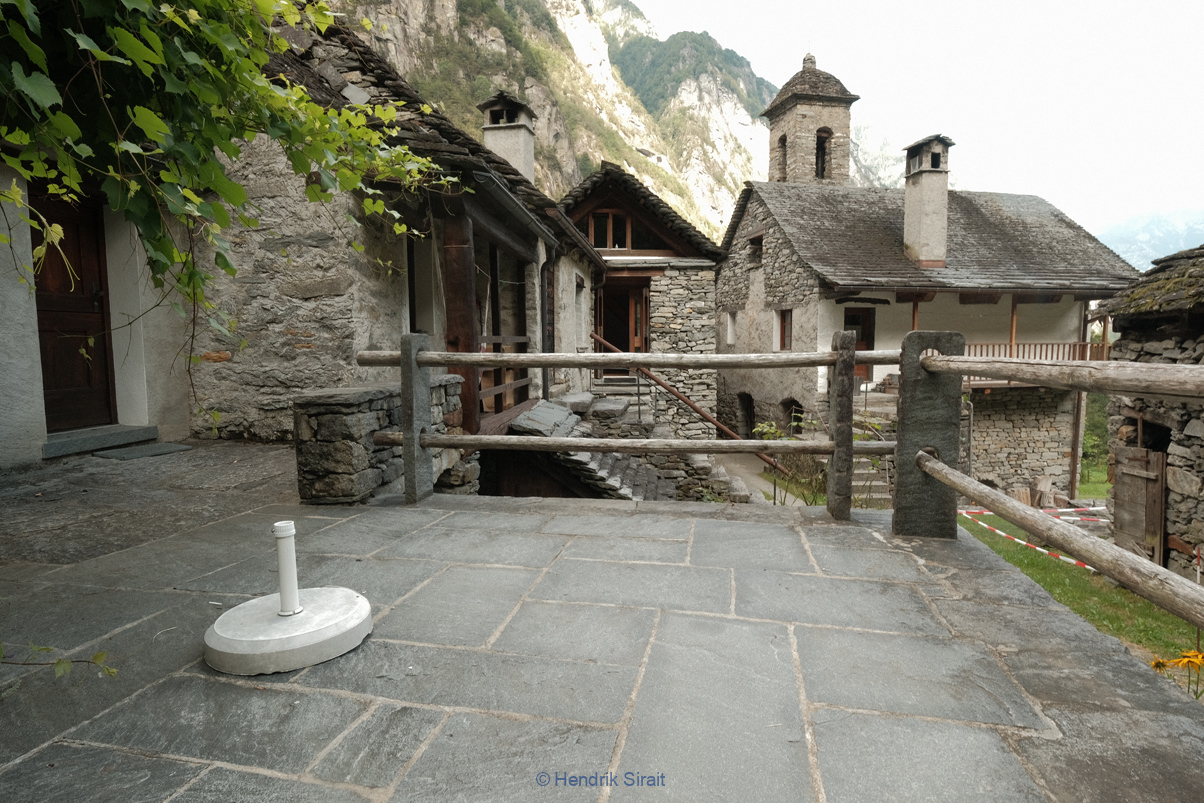
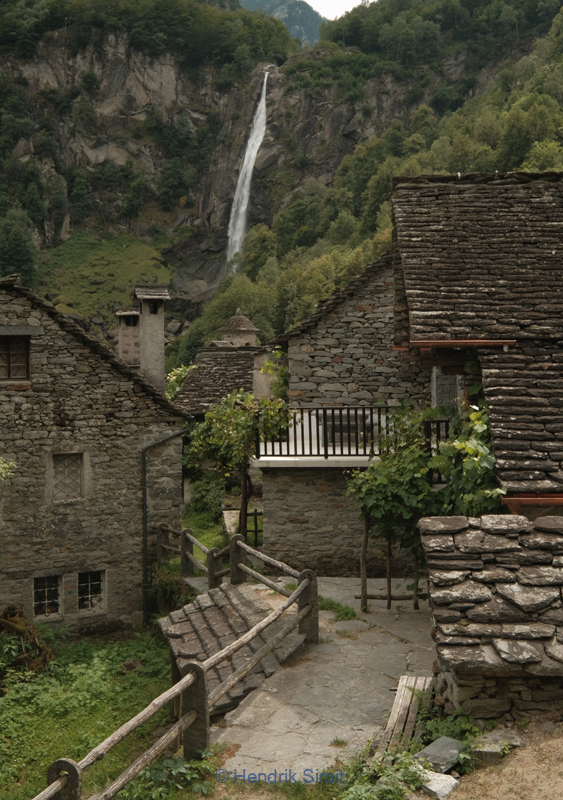
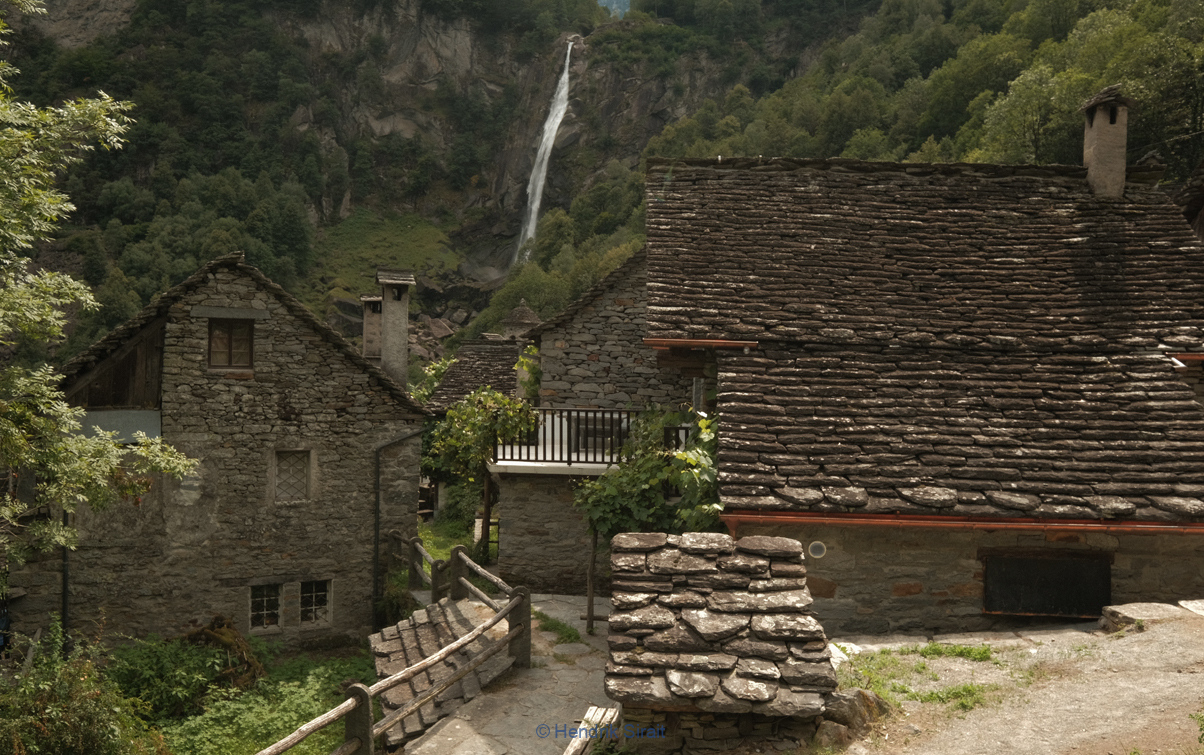
Like Sonogno, Foroglio is a tiny, ancient hamlet located in the Italian-speaking Canton of Ticino. However, it is tucked inside the Bavona Valley (Valle Bavona), a sister valley right next to the Verzasca Valley. The village looks like something straight out of a high-fantasy movie: a cluster of 15th-century stone houses dwarfed by a colossal, roaring waterfall that plunges right behind the rooftops.
The Mind-Blowing Fact: A Valley Without Electricity
The most incredible thing about the Bavona Valley—and Foroglio—is that the entire valley is completely disconnected from the power grid.
Even though Ticino generates massive amounts of hydroelectric power up in the mountains, the residents of the valley voted to keep their villages historic and untouched. Aside from a few modern solar panels or small generators used by the local restaurant, there are no power lines, no streetlights, and no electrical outlets. When night falls, the village is lit strictly by candlelight, oil lamps, and the stars. Because of this, locals only live here from April to October; in the freezing winter, the village is entirely abandoned.
Top Places to Visit & Things to Do
Foroglio is small enough to explore fully in an hour, but its natural atmosphere makes you want to linger for half a day.
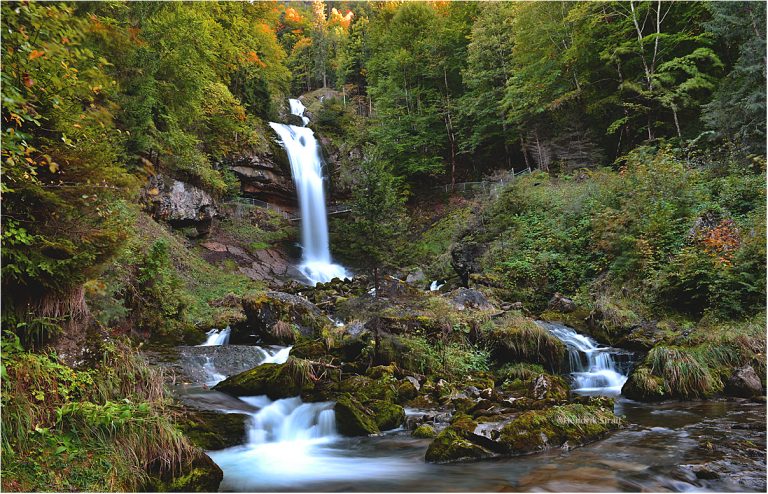
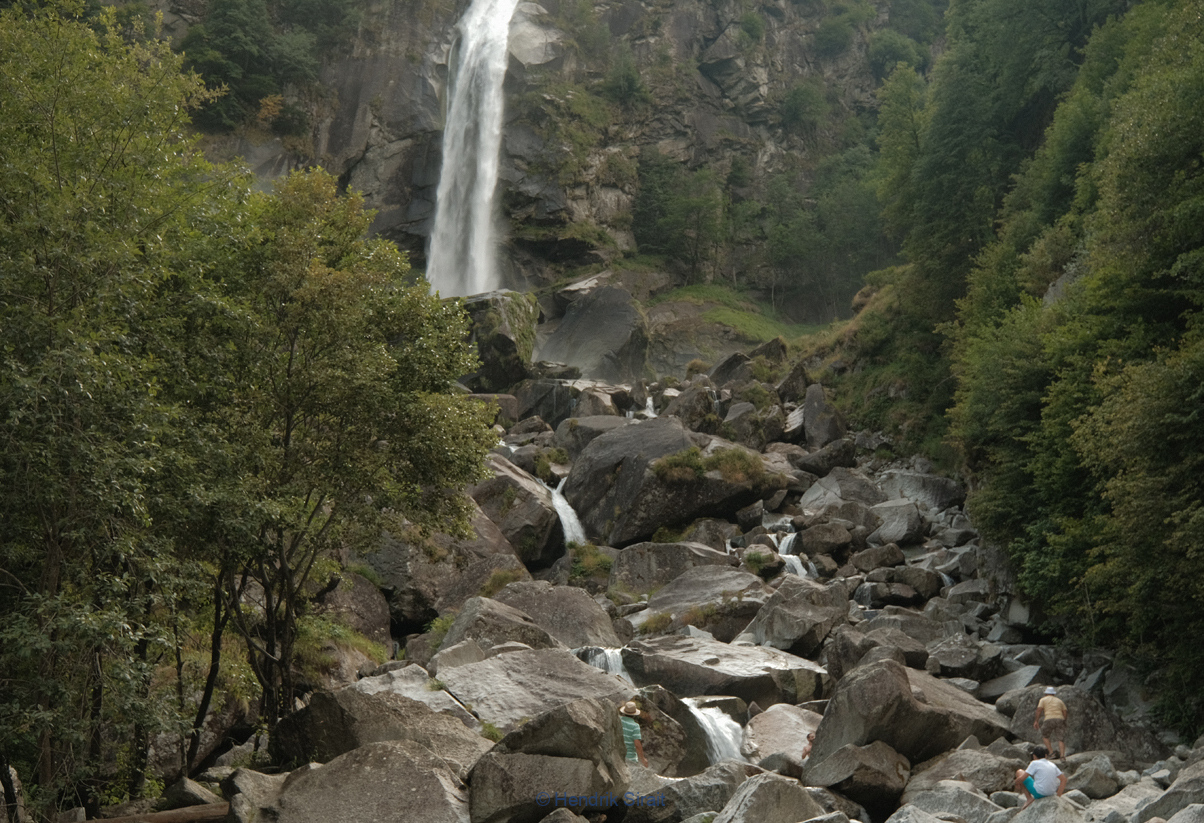
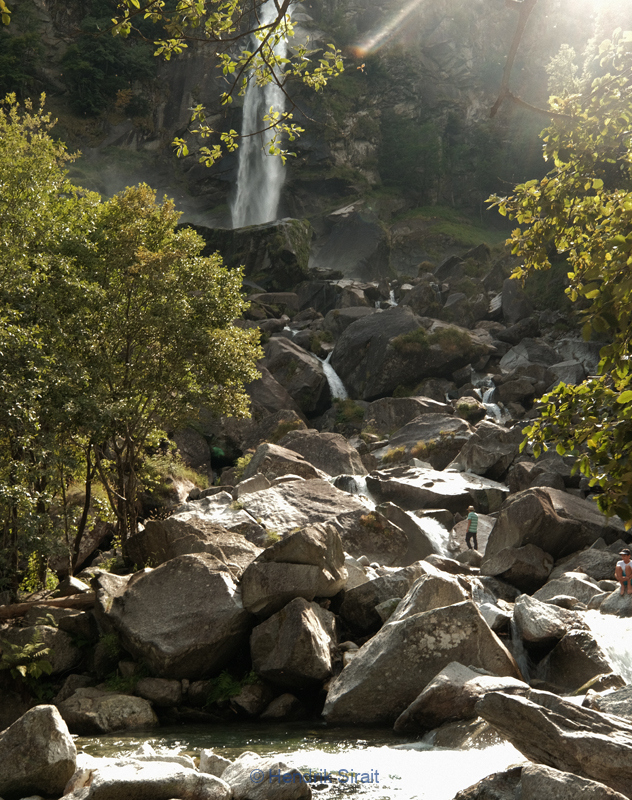
Foroglio Waterfall (Cascata di Foroglio) is the undisputed star of the show. The water tumbles over a sheer, vertical granite cliff, dropping 110 meters (360 feet) into the valley basin below.
- The Trail: A short, rocky, but well-maintained path leads from the village center directly to the base of the falls. You can feel the intense wind and spray generated by the massive volume of falling water.
- The Swing: There is a famous wooden “Swing the World” installation set up near the riverbank, allowing you to swing back and forth with a perfect, unobstructed view of the cascading waterfall.
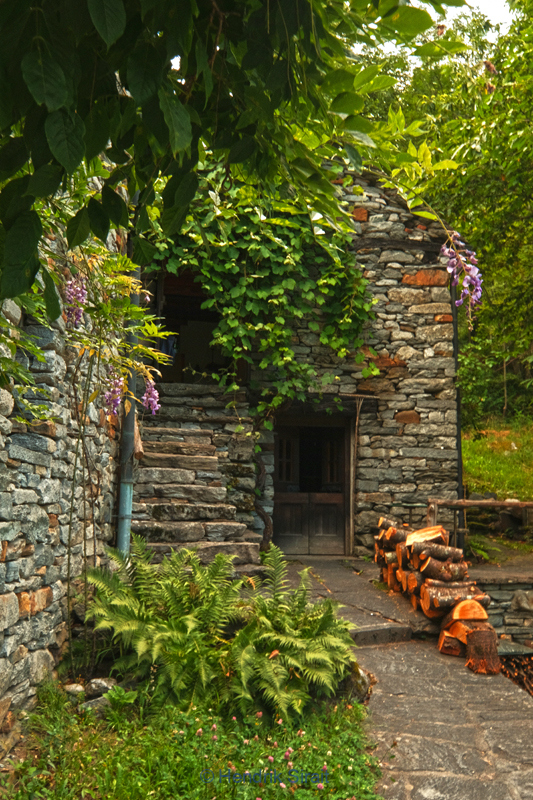
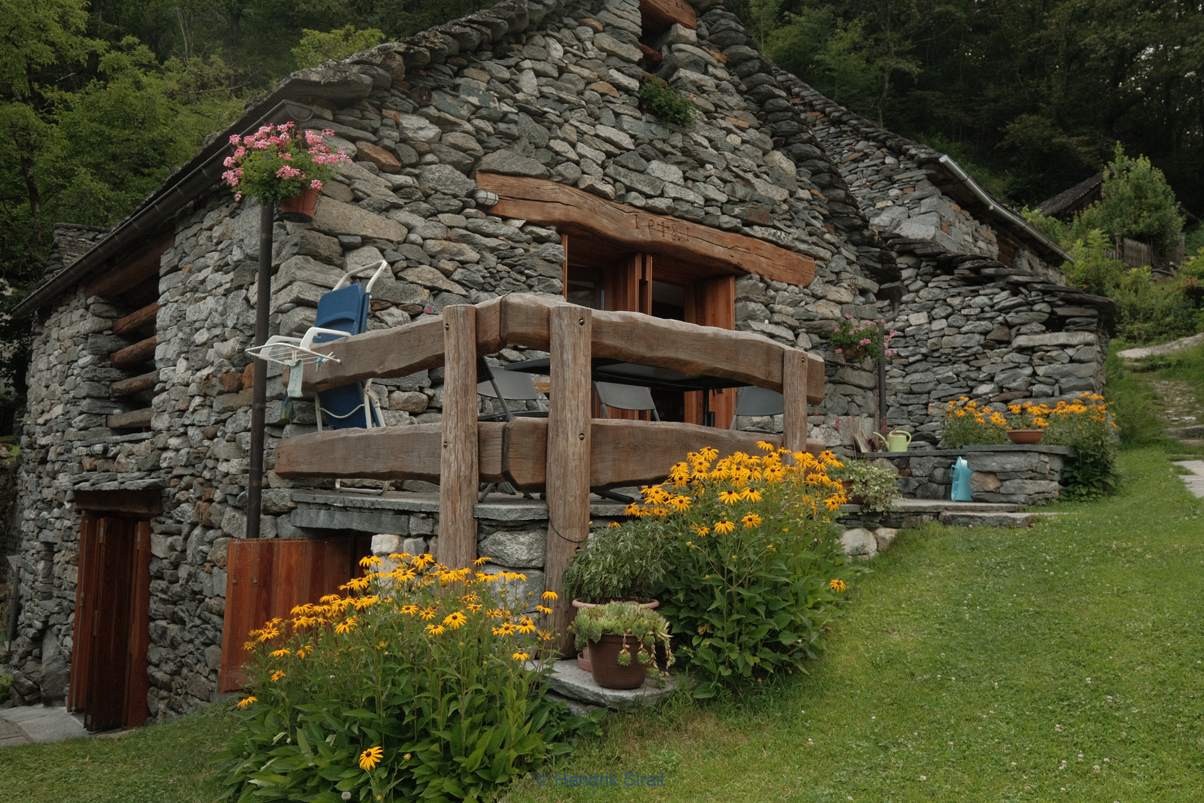
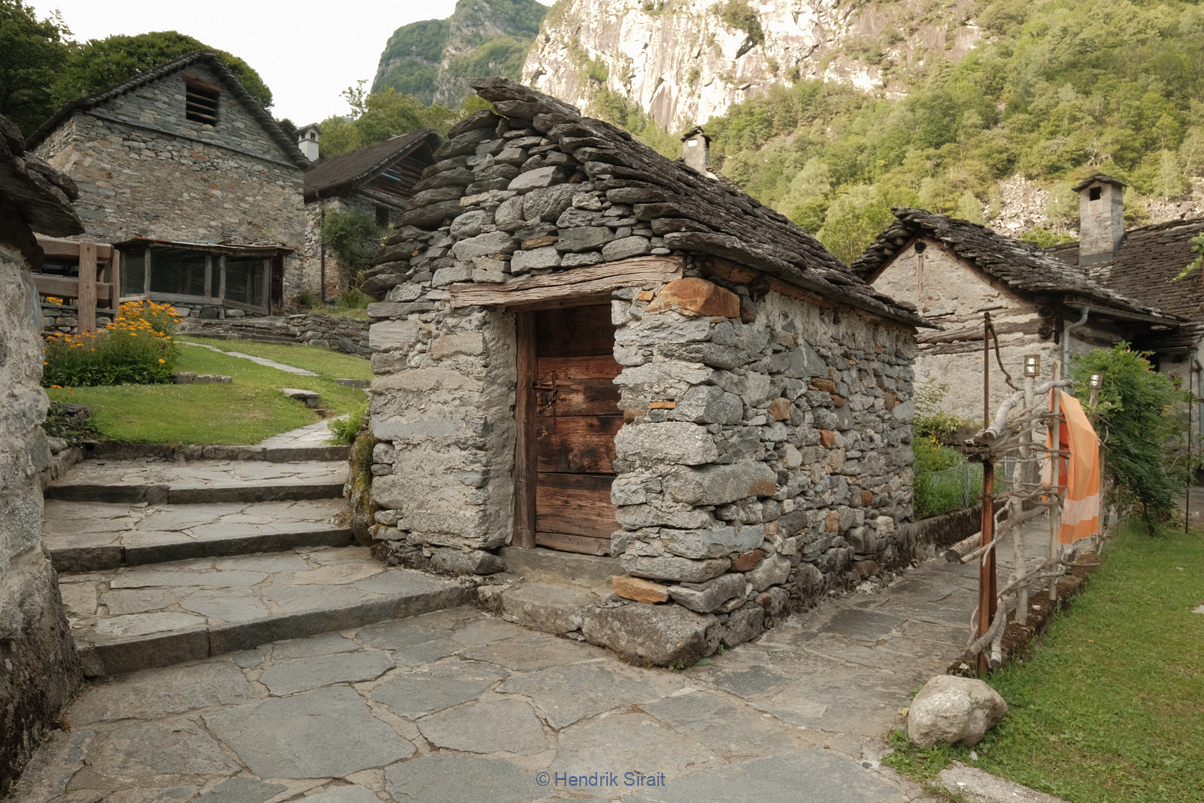
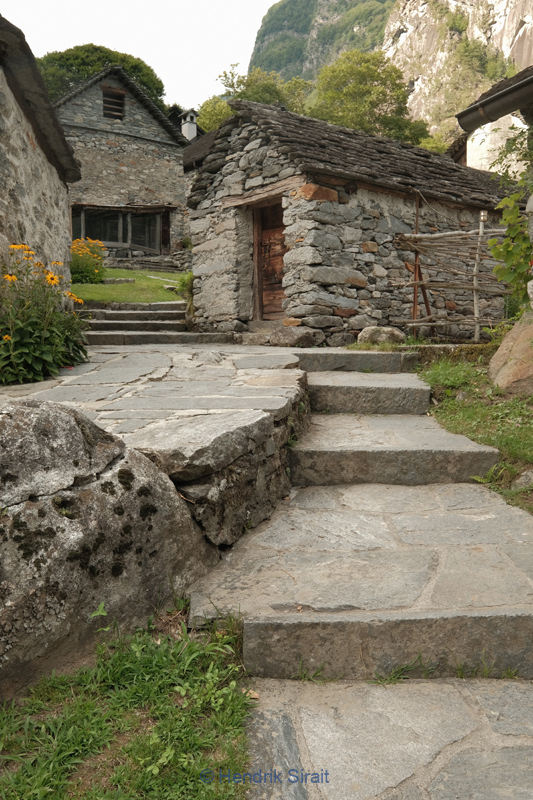
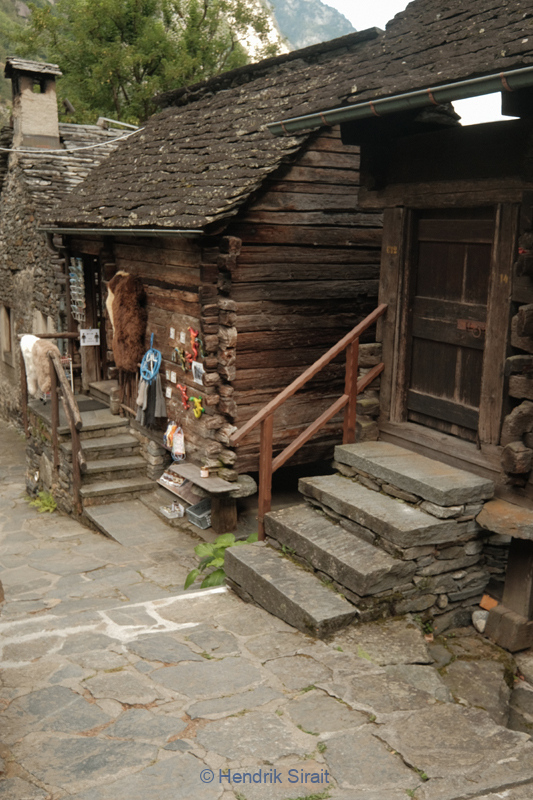
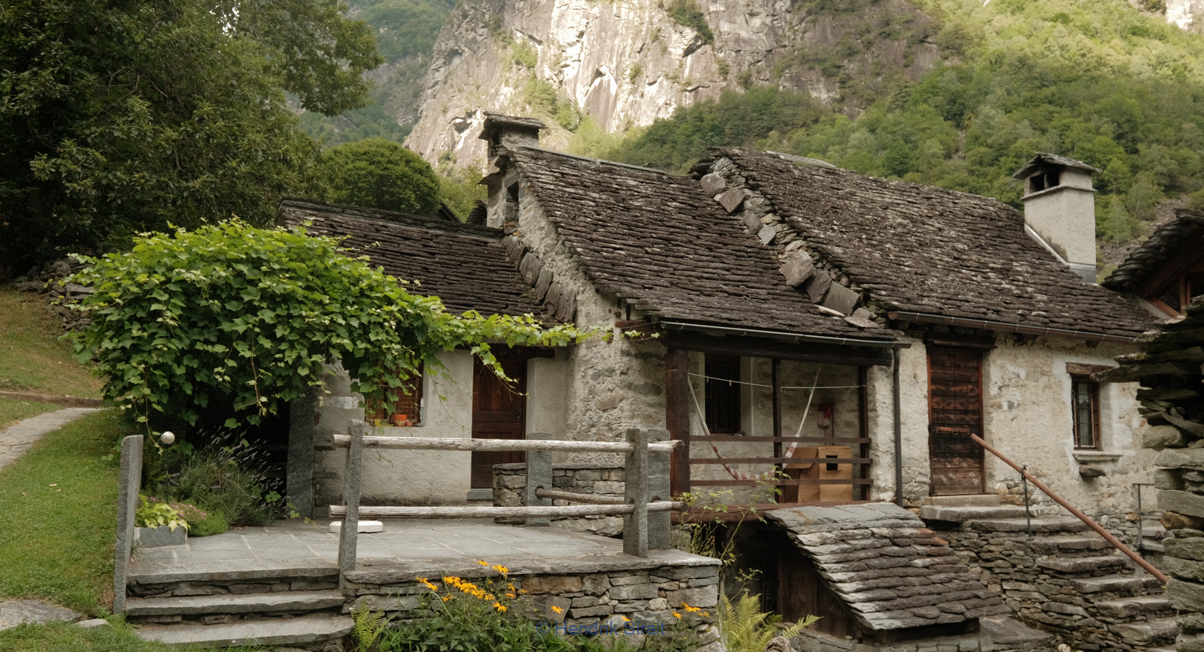
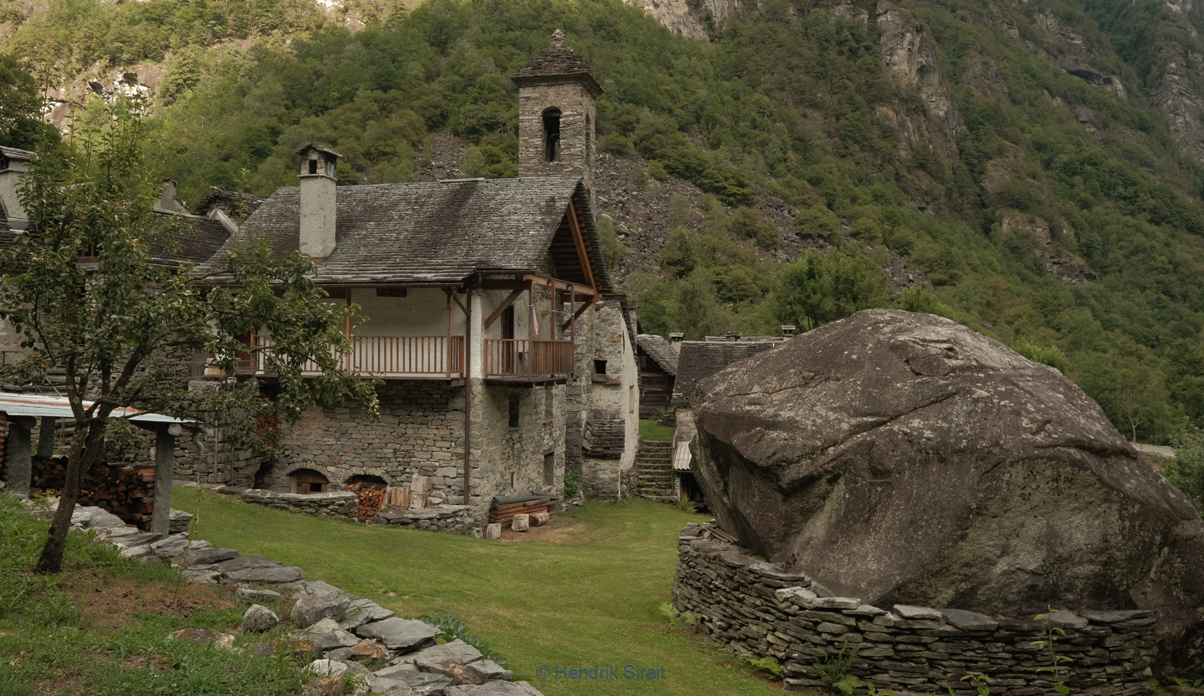
The Village Architecture is a masterclass in ancient stone masonry. Every single cottage (rústico) is constructed entirely out of local gray granite blocks without modern mortar.
- The Church: In the center of the village stands a tiny, beautiful stone chapel built in 1553, complete with historic frescoes.
- Torba: Look closely at some of the structures raised on wooden stilts with flat stone discs—these are torba, ancient storehouses cleverly designed to keep mice and rats out of the stored grain.
The Culinary Experience: La Froda
There is only one place to eat in the entire village, but it is an absolute must-visit.
Grotto de la Froda sits right at the entrance of the hamlet and has been run by the same local family for generations.
- The Vibe: You sit outdoors on solid granite benches underneath vine-covered trellises, listening to the roar of the waterfall in the distance.
- The Menu: Authentic, unpretentious Ticinese alpine food. Try the Formaggini (local goat cheeses), Mortadella della Val Bavona (a spiced local sausage), and their famous warm blueberries served with homemade cream ice cream.
What to Prepare & Know Before You Go
- Strictly Cash-Only: Because the village has no electricity grid, credit card machines at the grotto can be highly unreliable or non-functional. You must bring physical Swiss Franc (CHF) cash with you to buy food, drinks, or local honey from the village stands.
- Getting There:
- By Car: Drive from Locarno into the Maggia Valley, and then turn into the Bavona Valley toward Bignasco. The road to Foroglio is narrow, winding, and cut directly into the cliffside, so drive slowly. There is a free parking lot just outside the village.
- By Bus: Take the PostBus (Line 333) from Cevio or Bignasco. It only runs a few times a day, so you must check the schedule beforehand to make sure you don’t miss the last bus back out of the valley!
- Footwear: Leave the flip-flops and city shoes behind. The paths through the village are uneven, historic cobblestones, and the trail to the waterfall consists of wet, slippery granite steps. Wear a solid pair of sneakers or light hiking shoes.
Regards,
Hendrik