Fasnacht Solothurn 2023
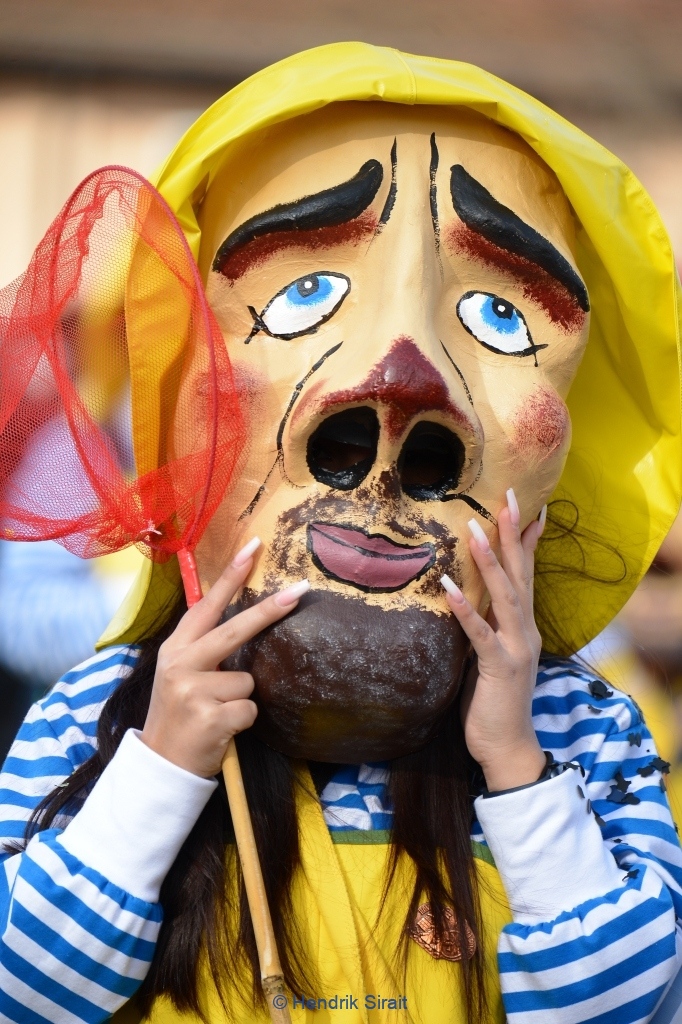
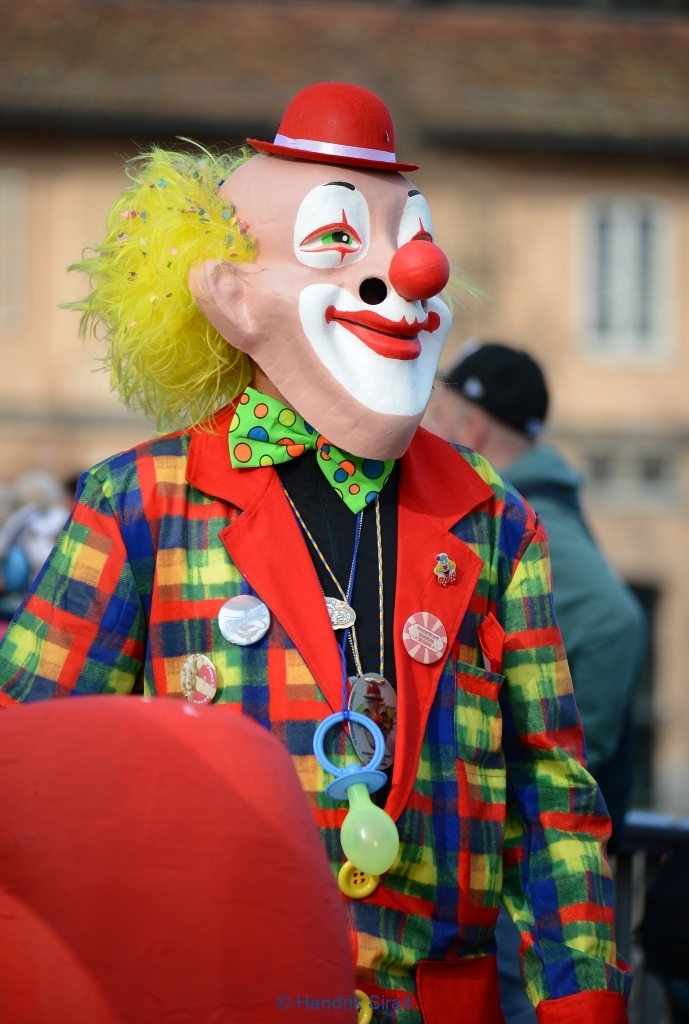
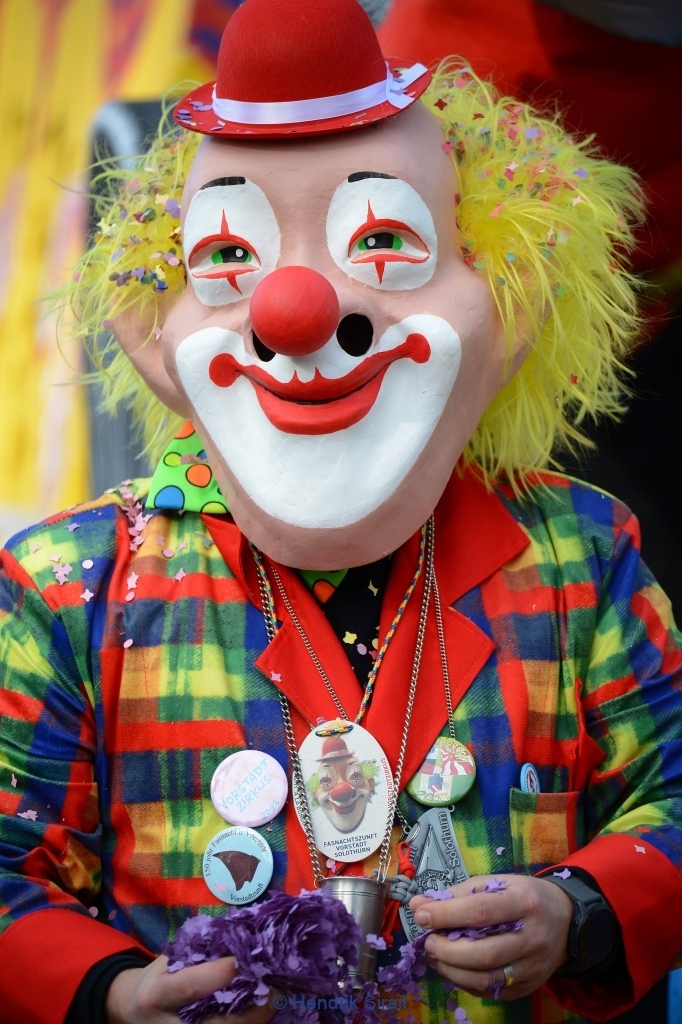
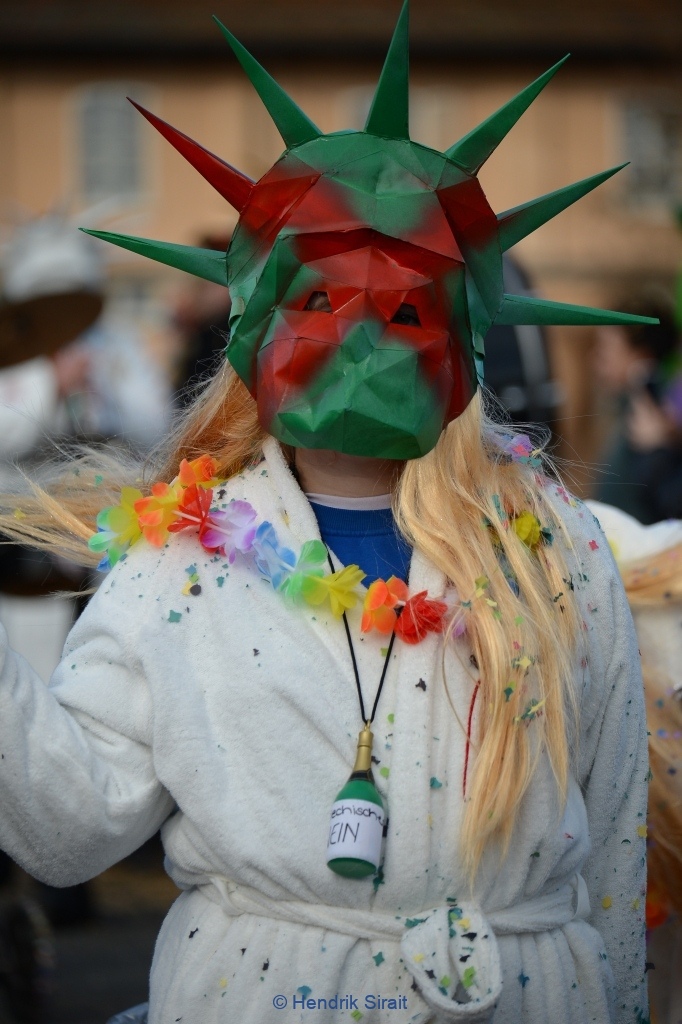
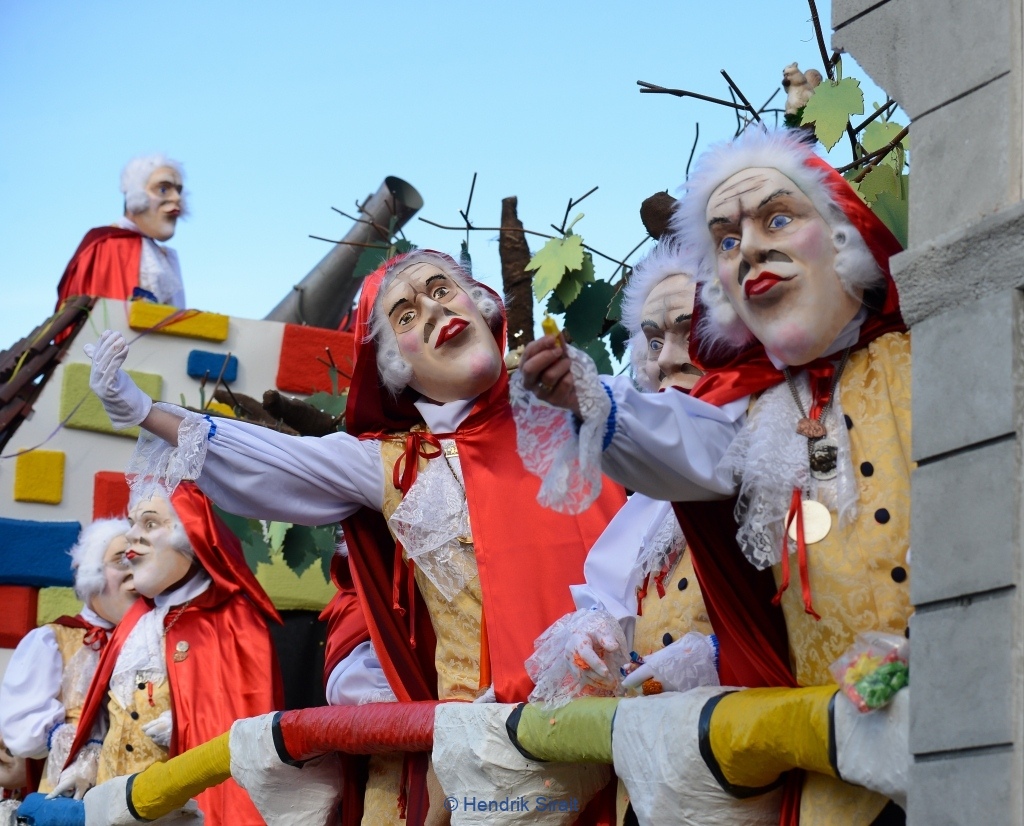
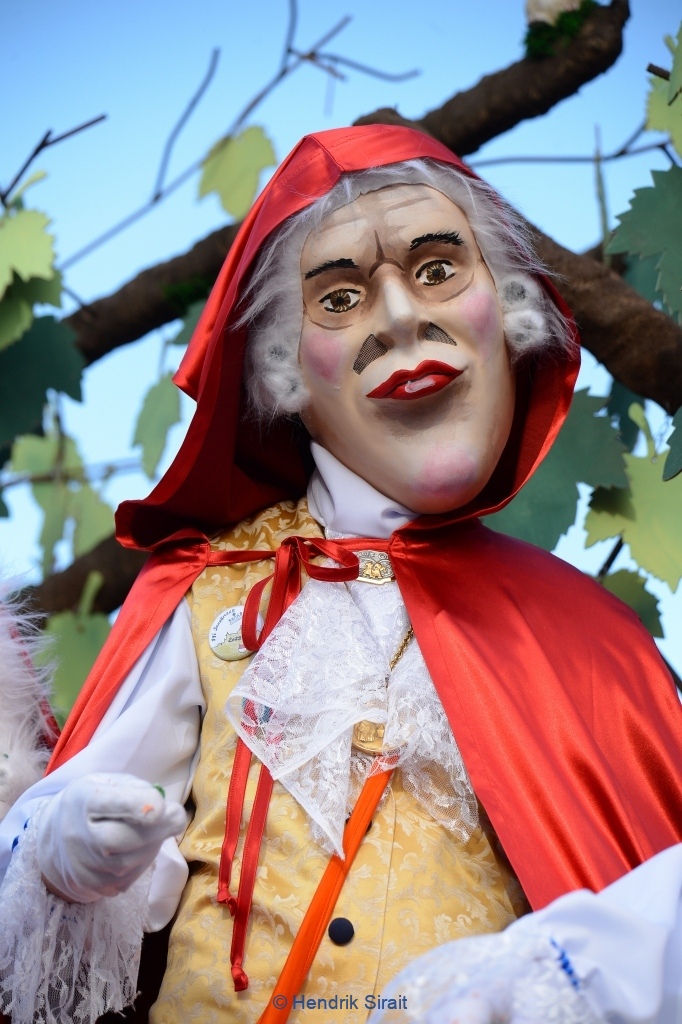
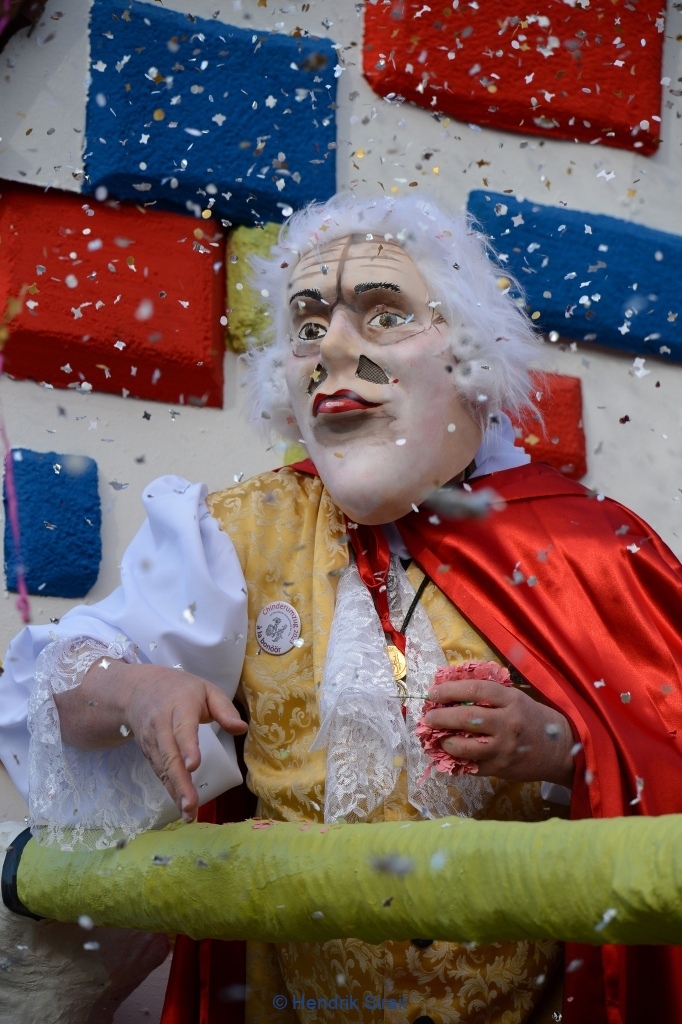
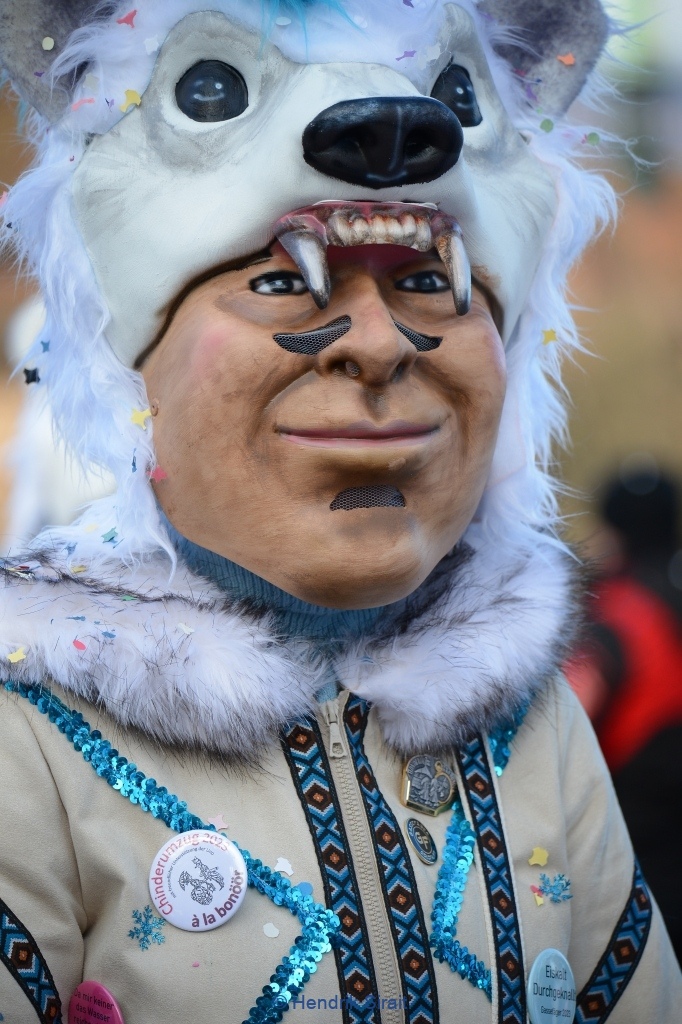
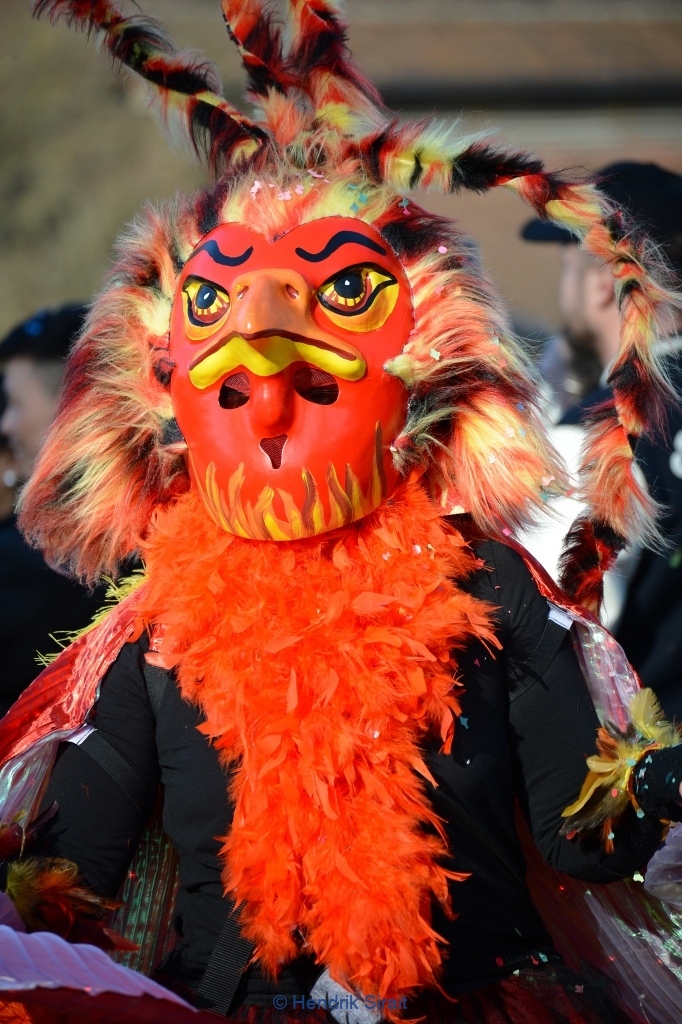
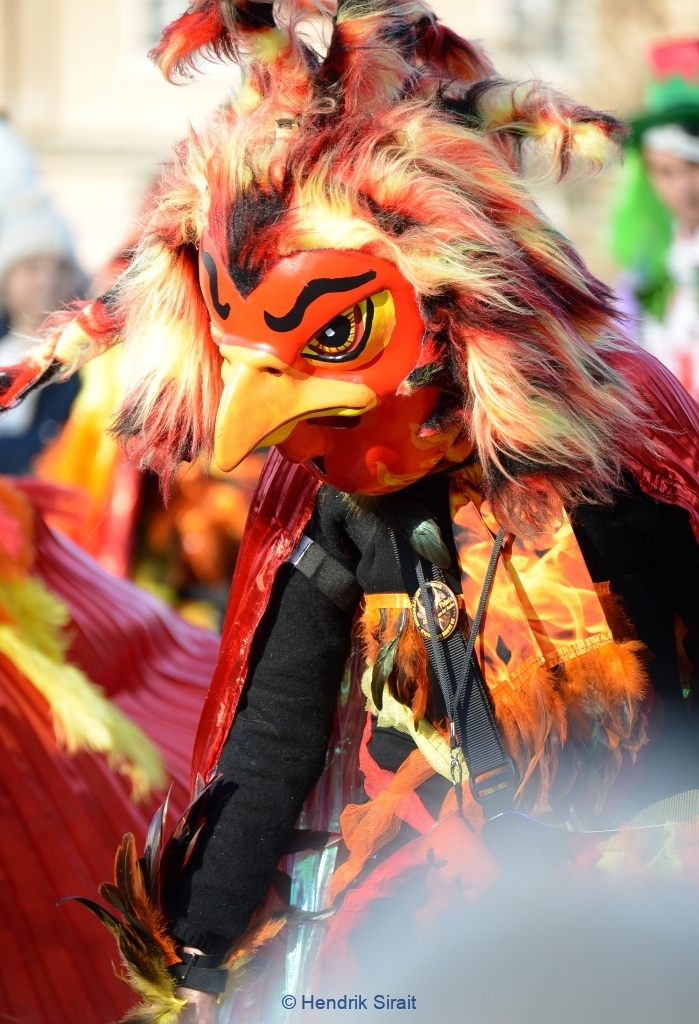
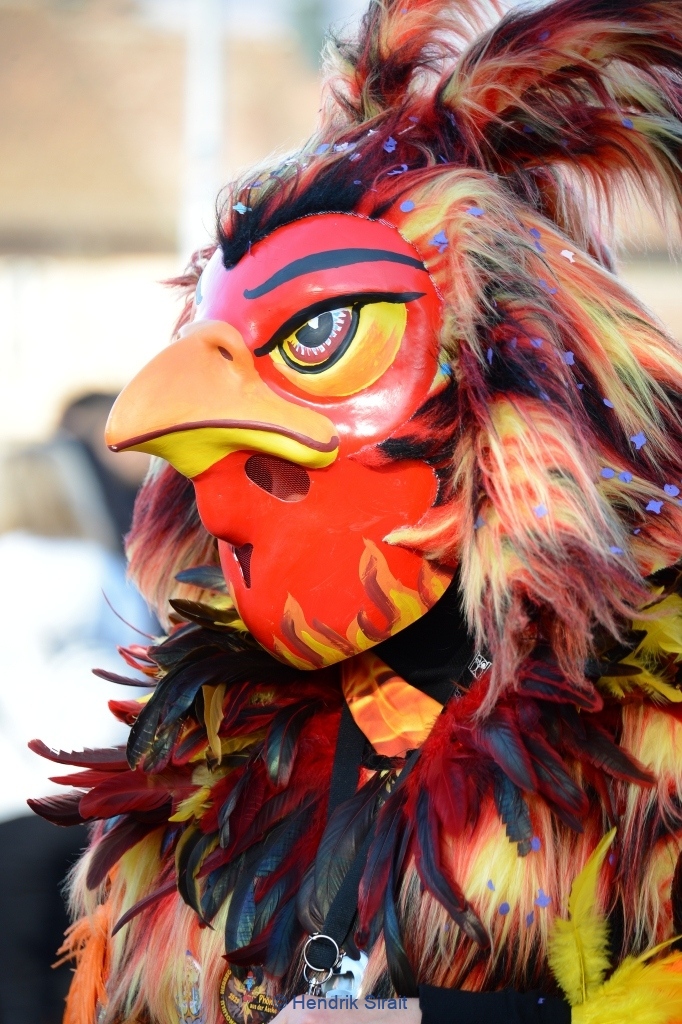
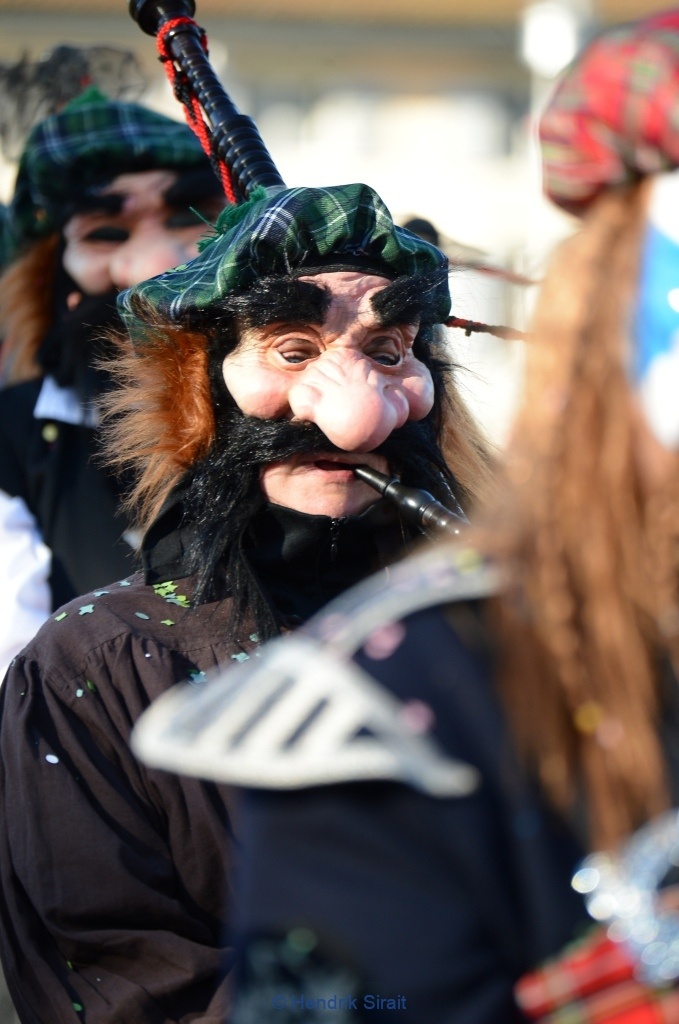
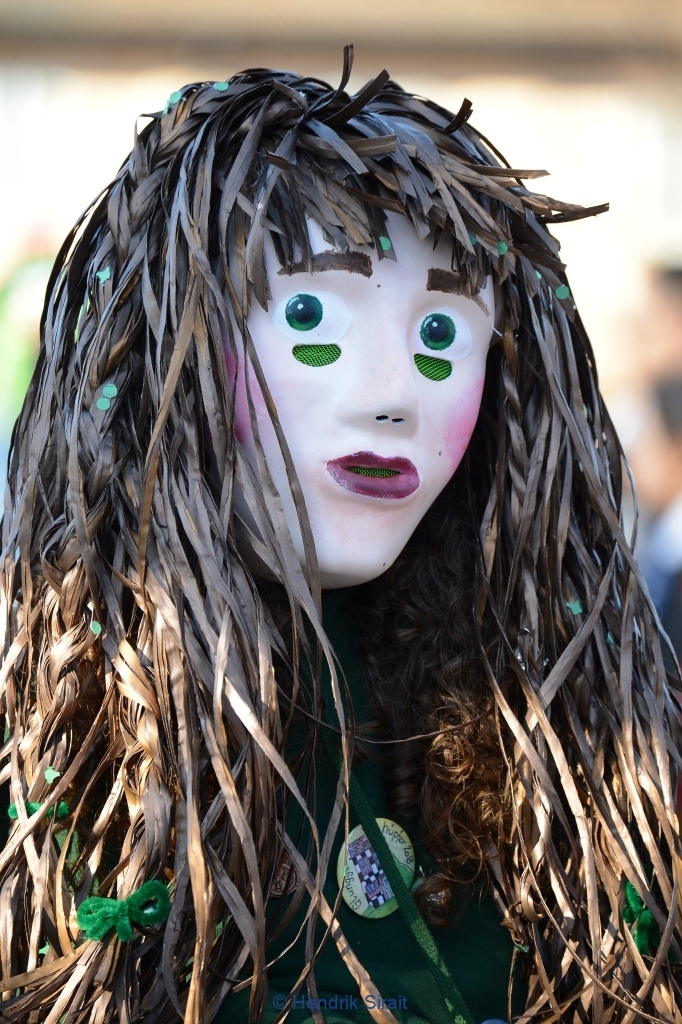
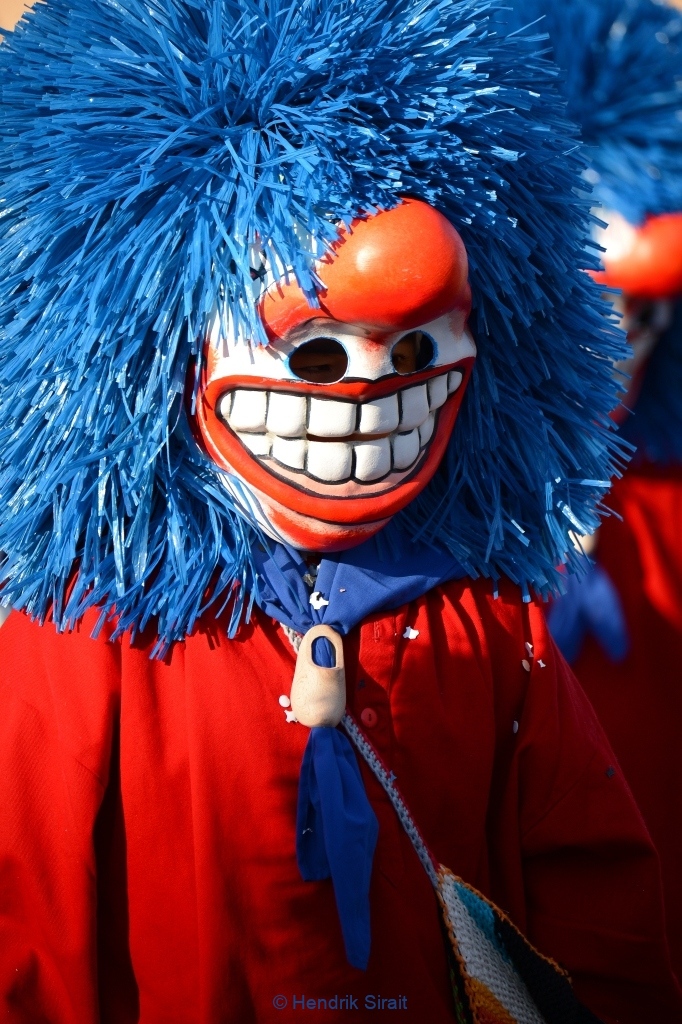
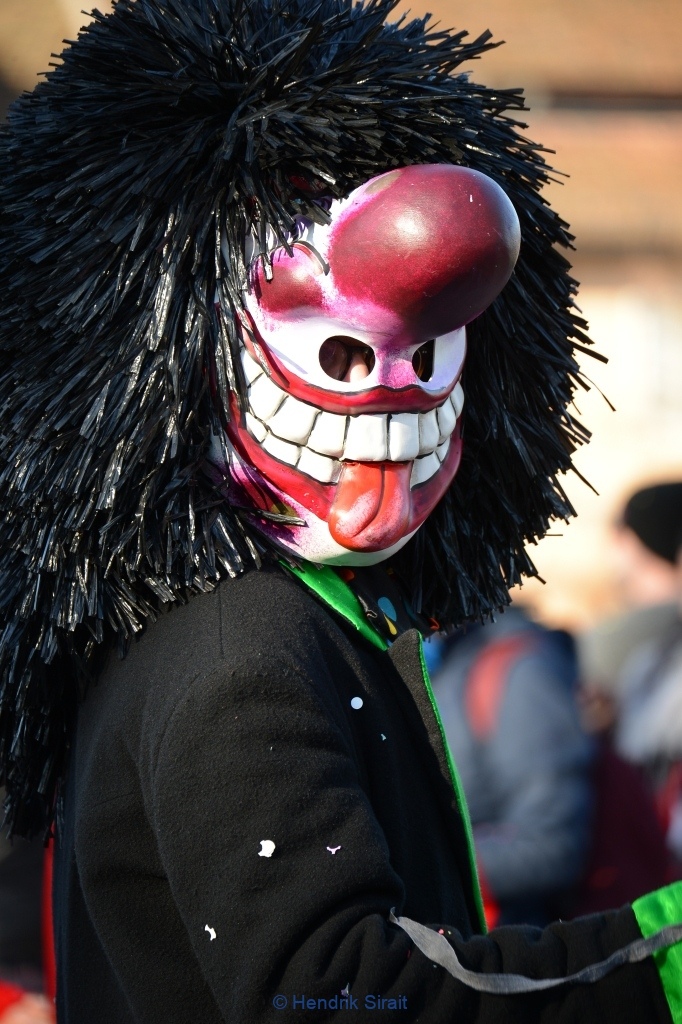
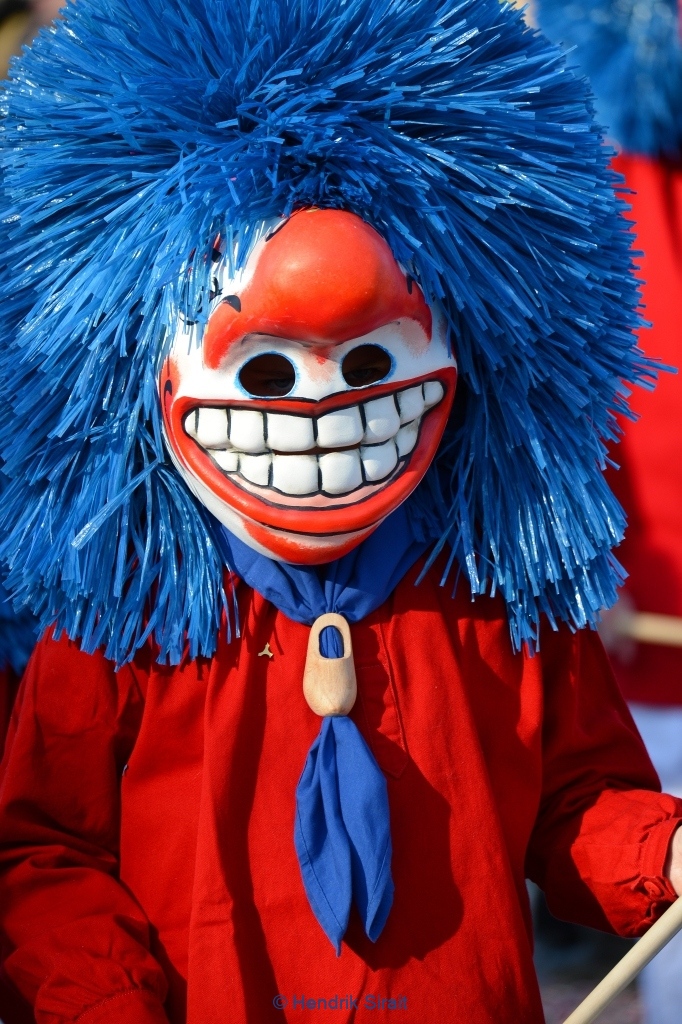
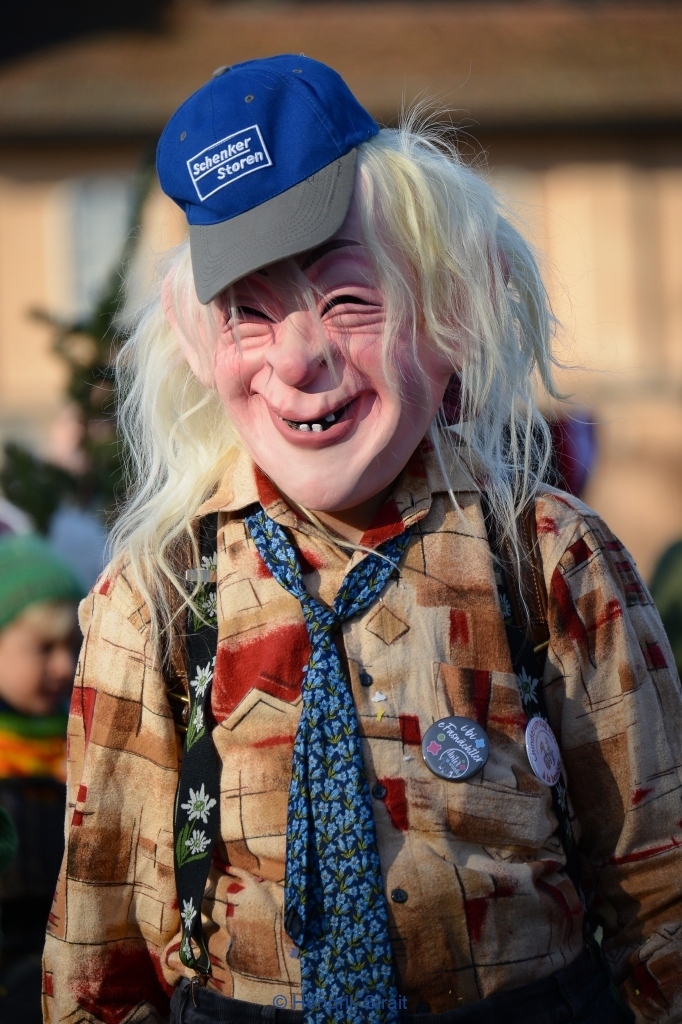
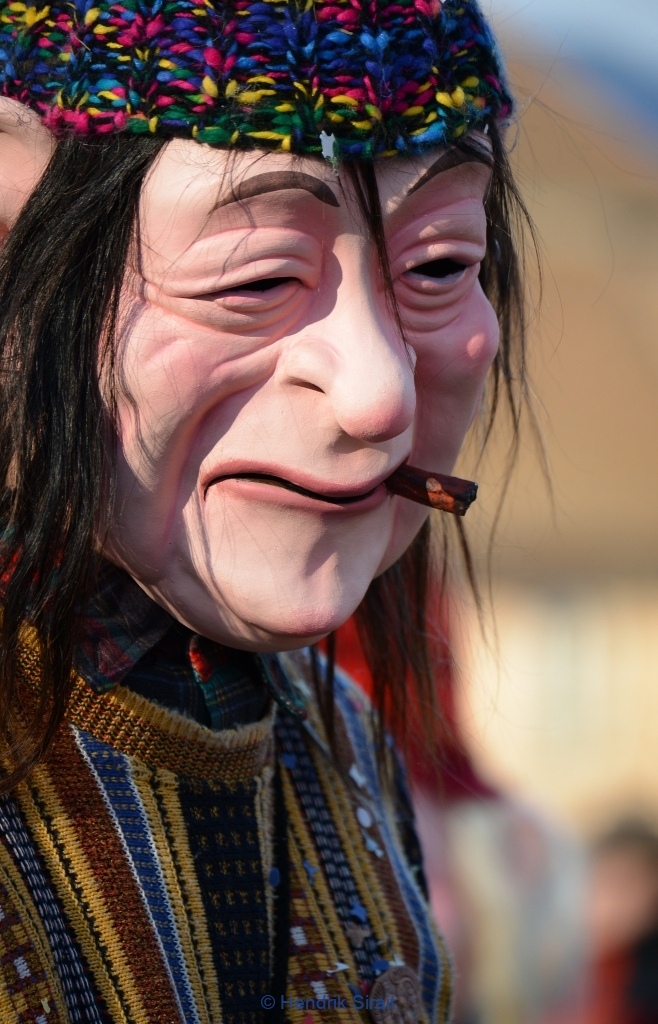
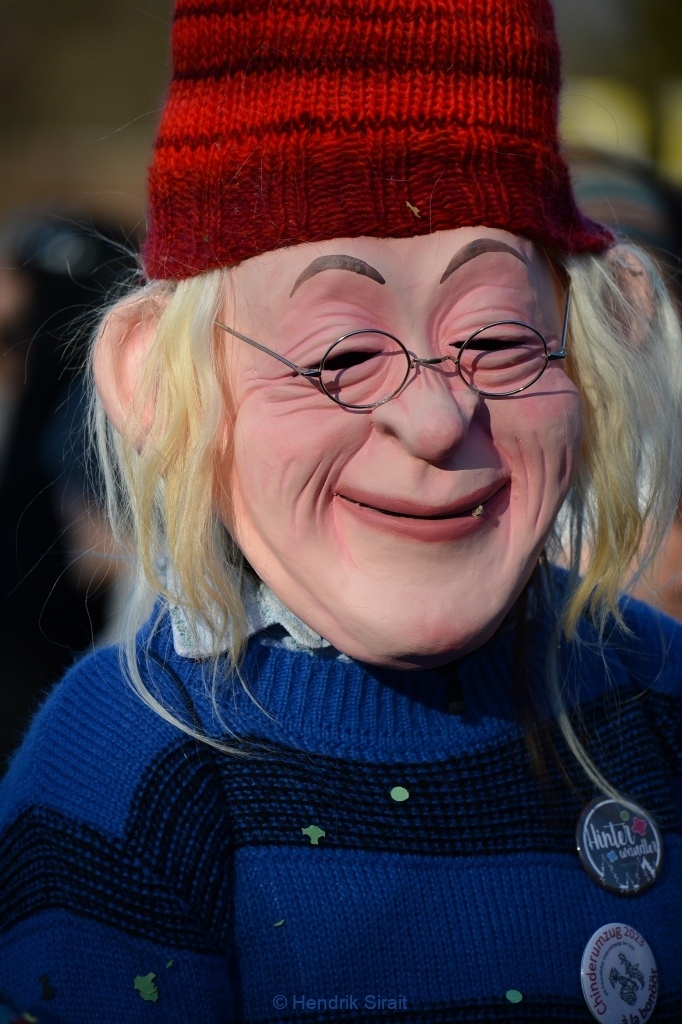
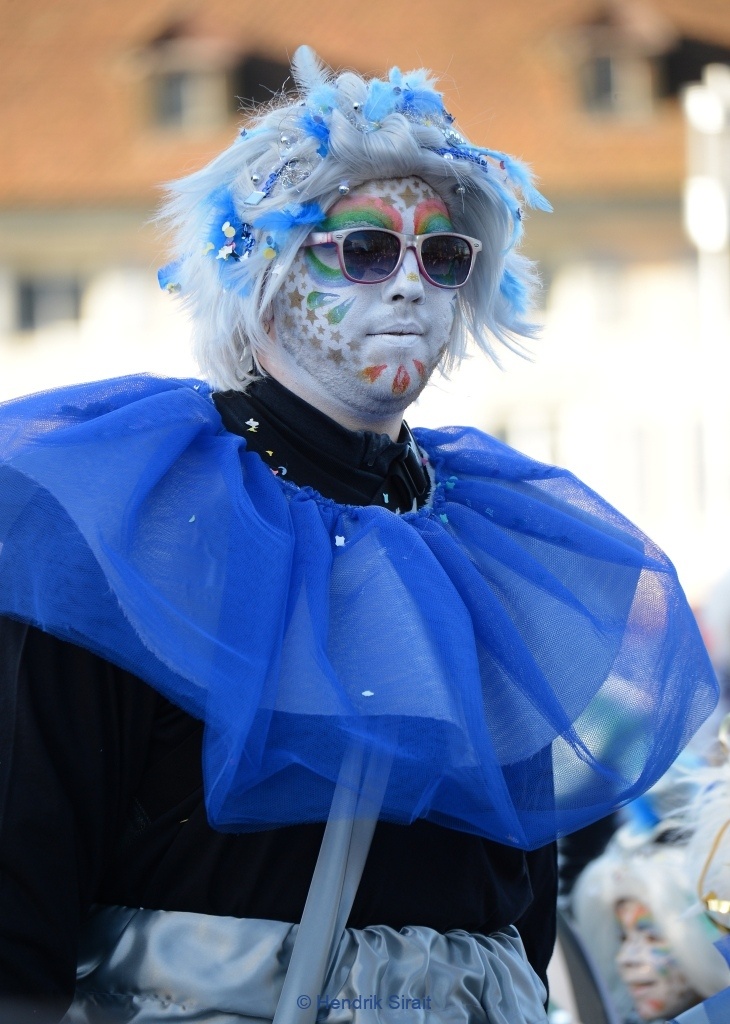
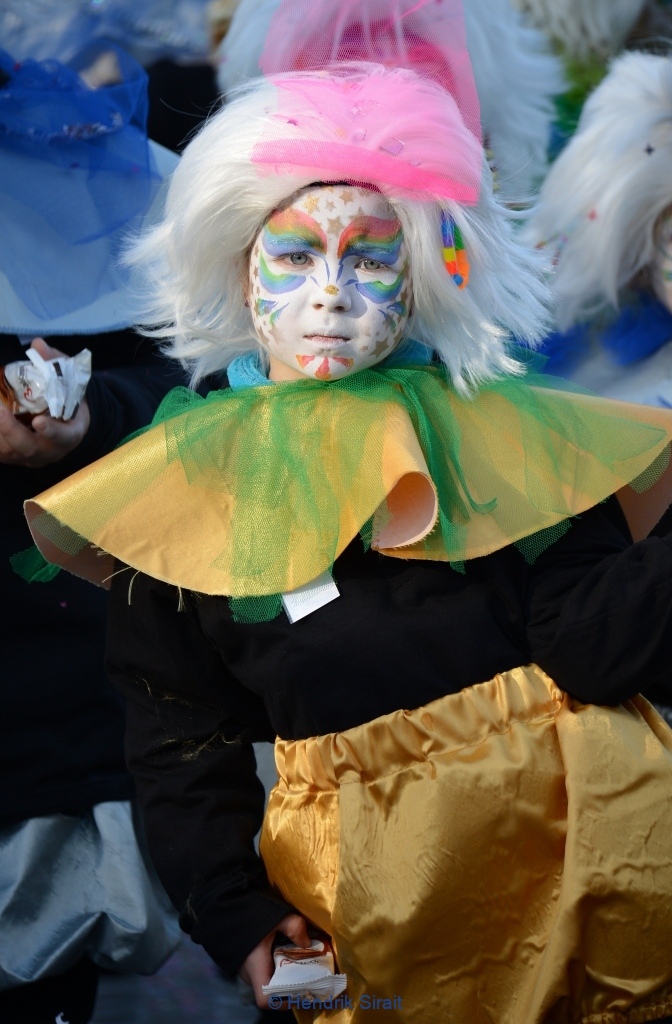
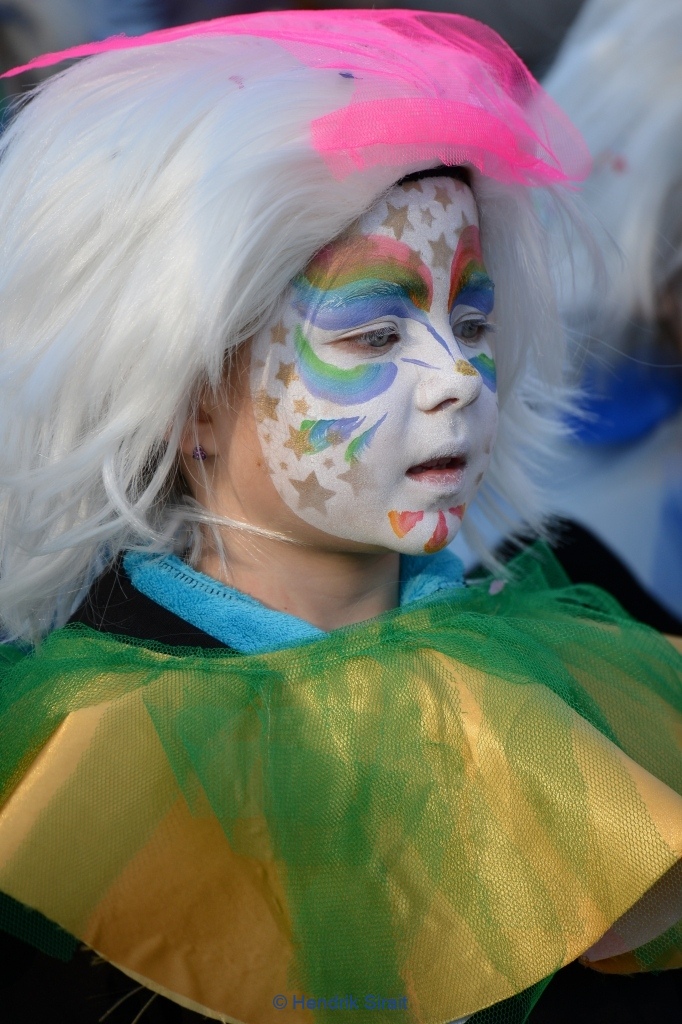
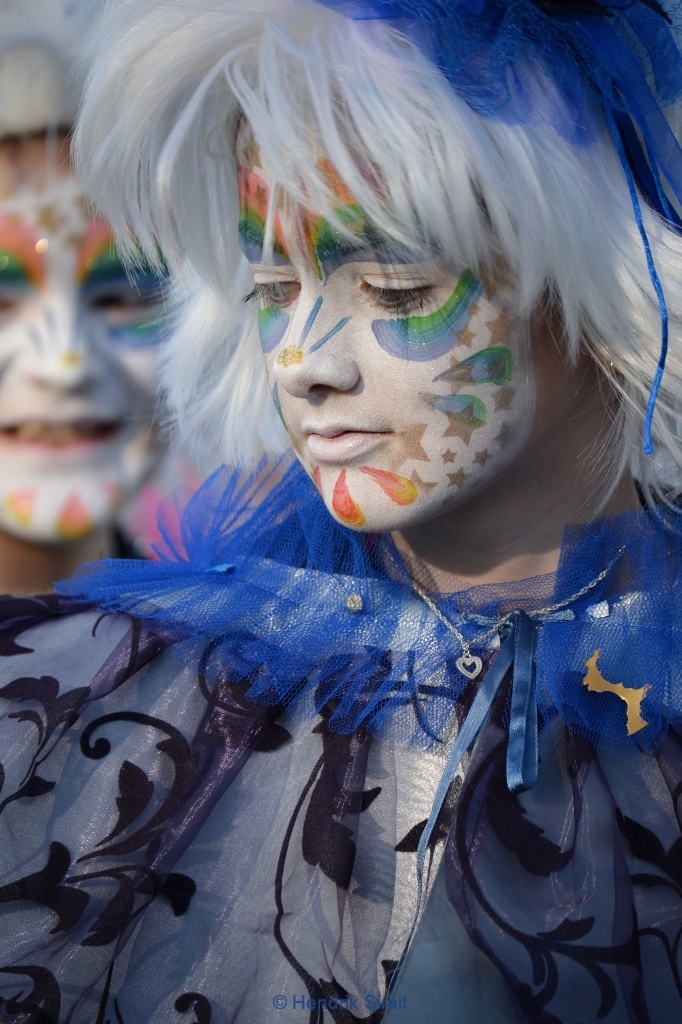
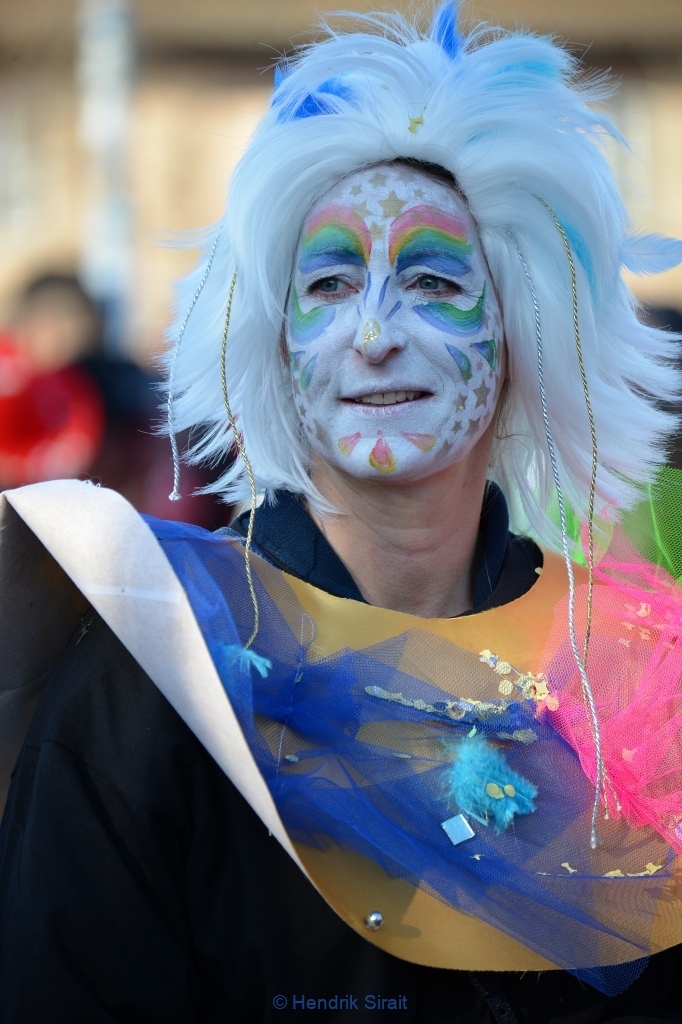
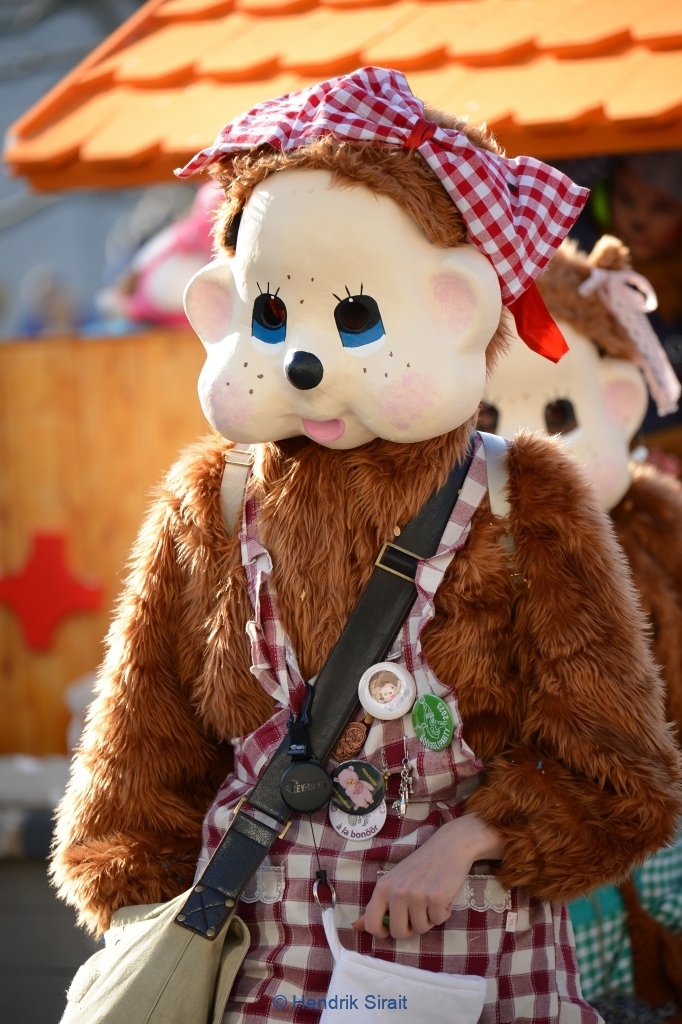
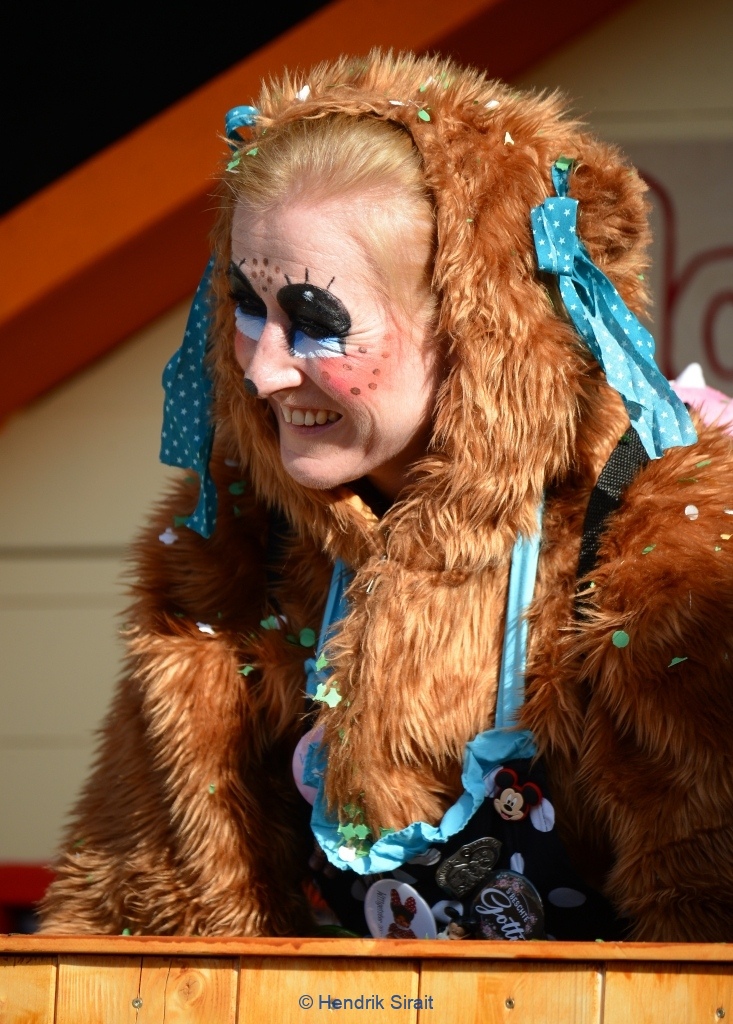
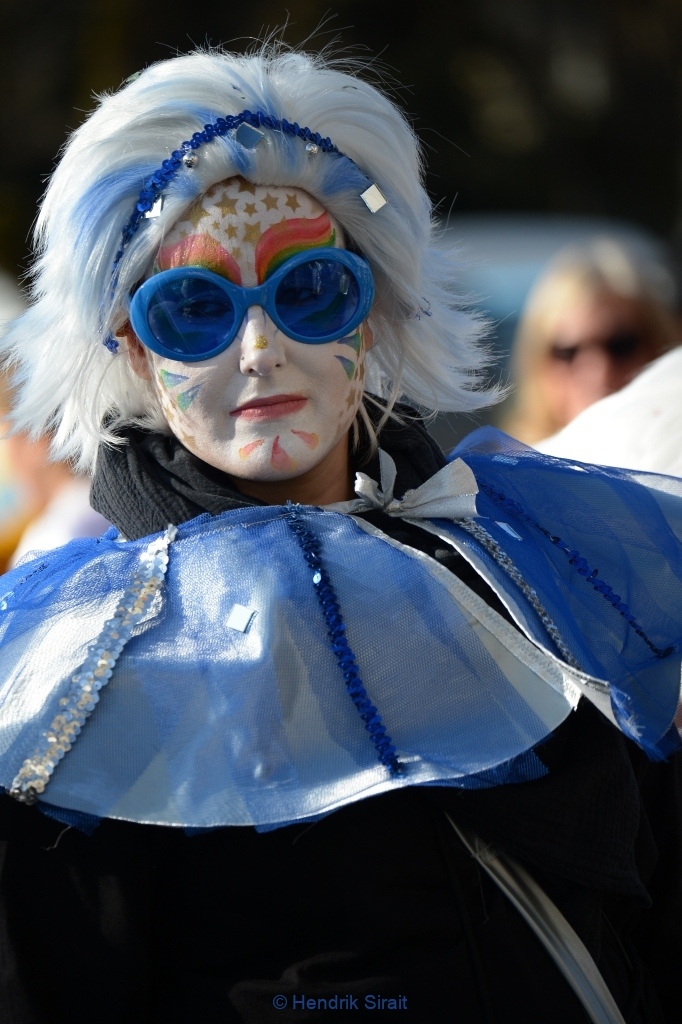
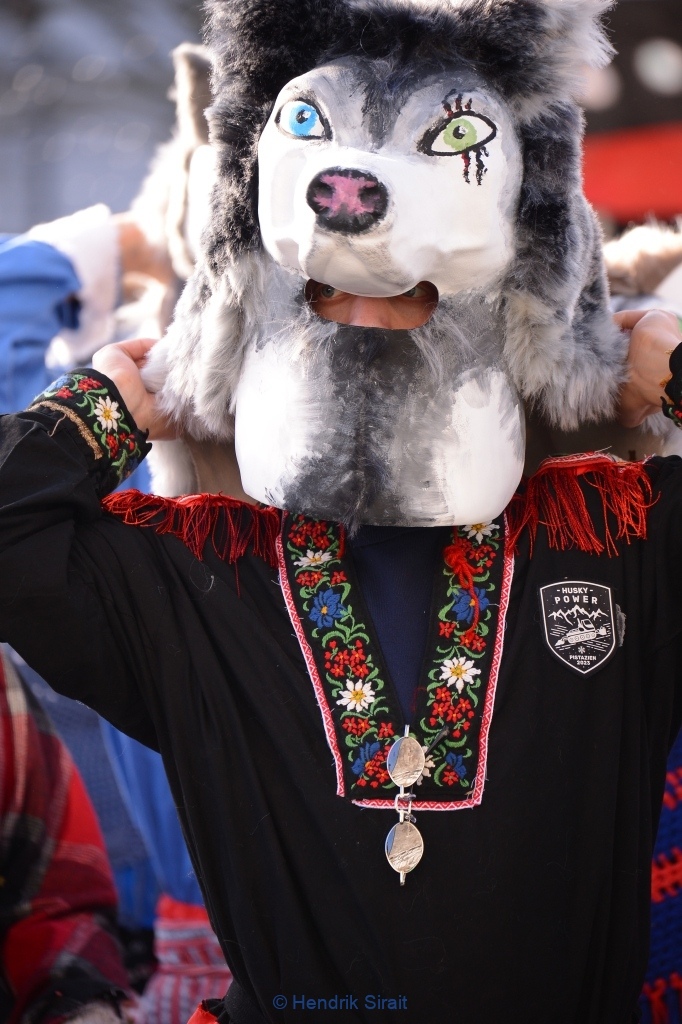
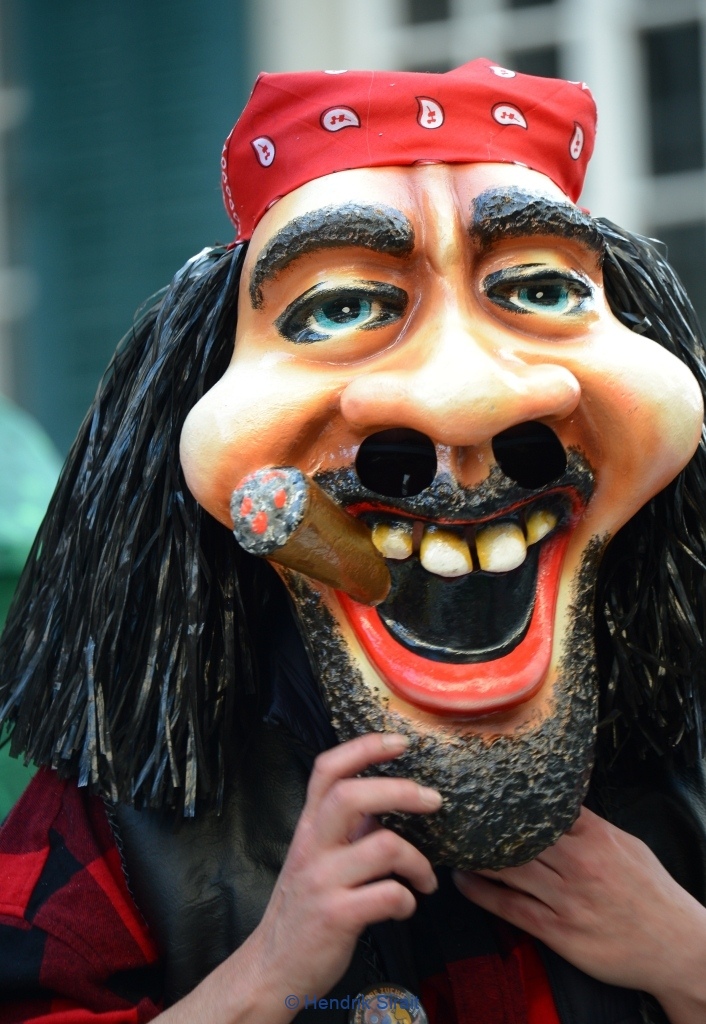
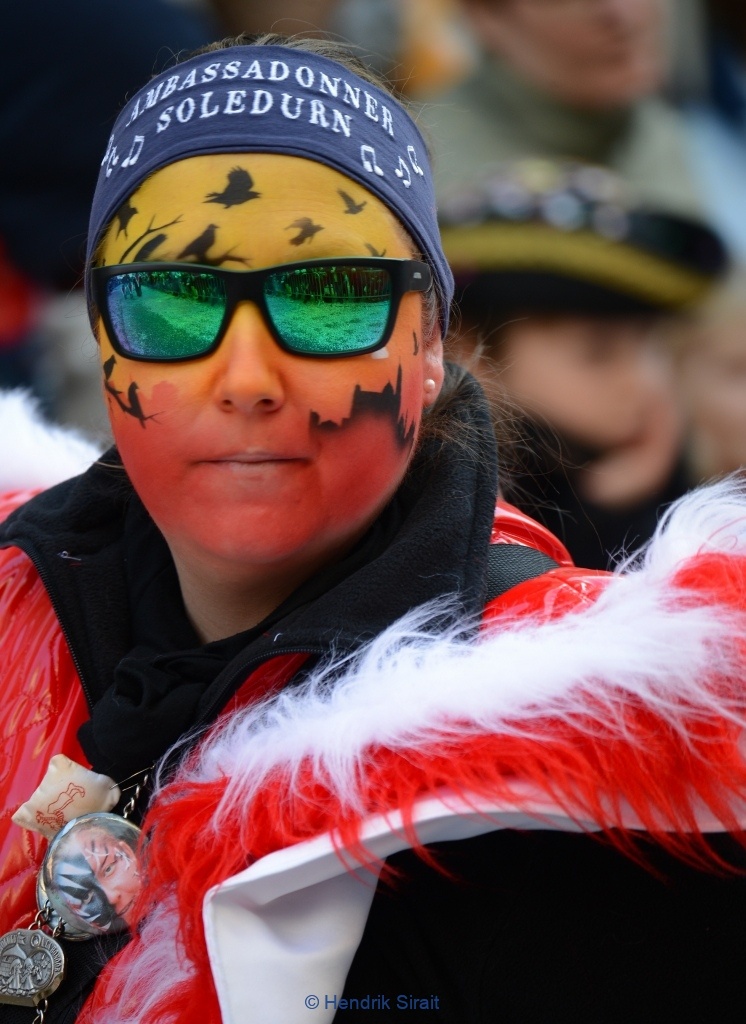
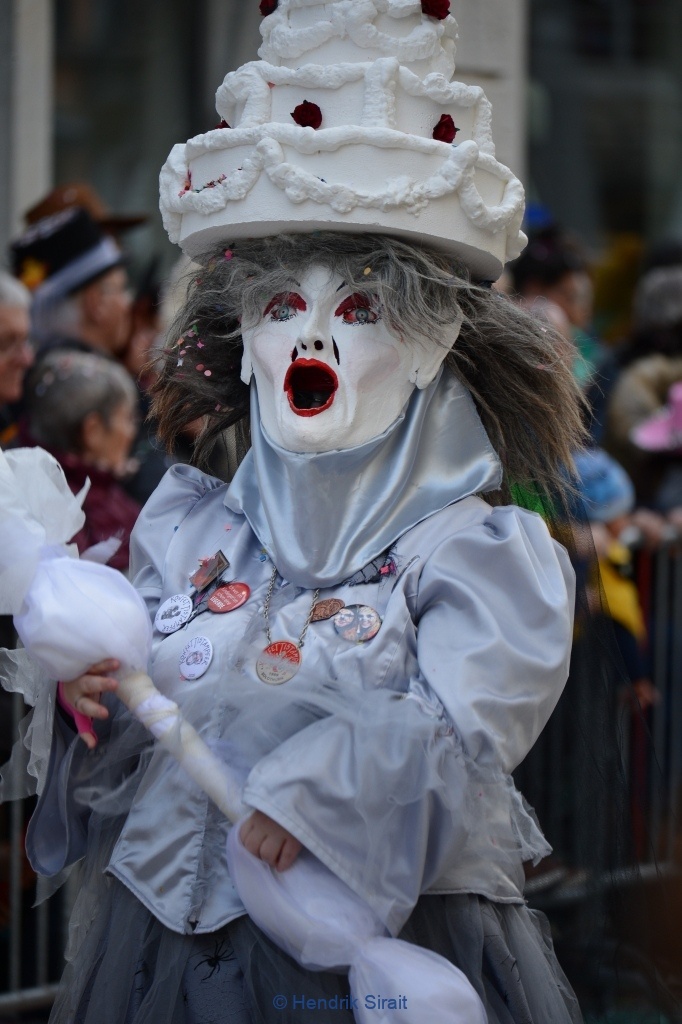
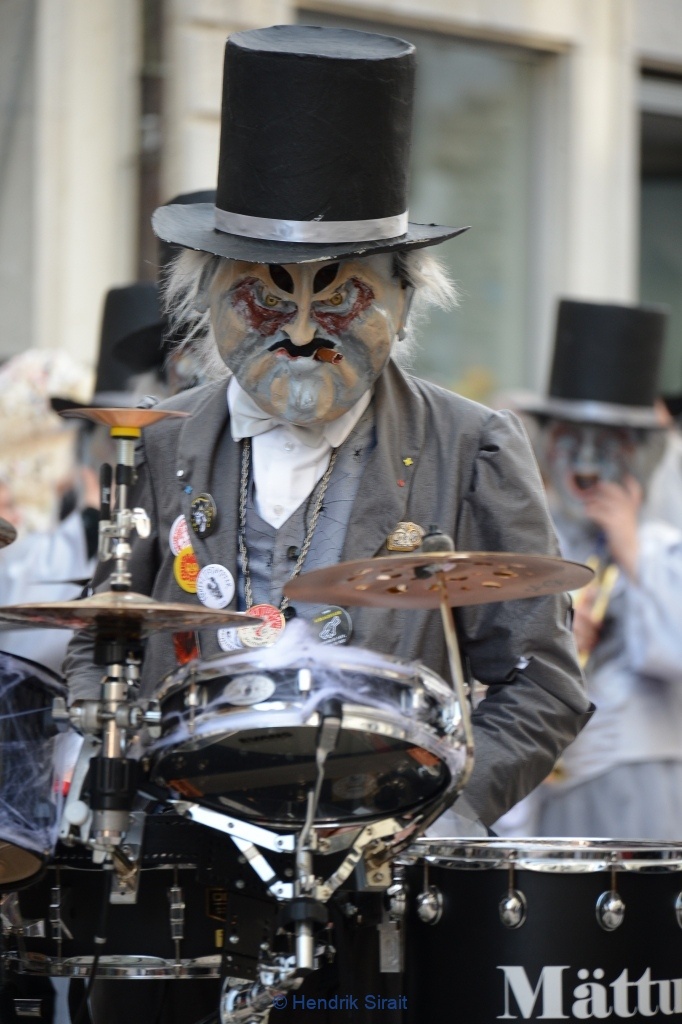
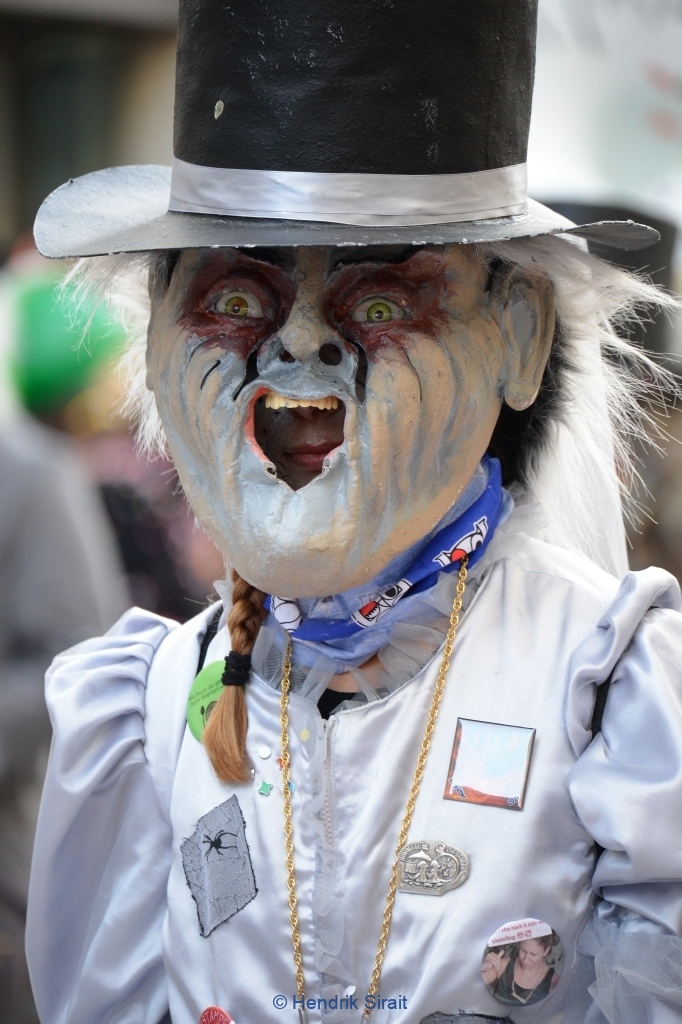
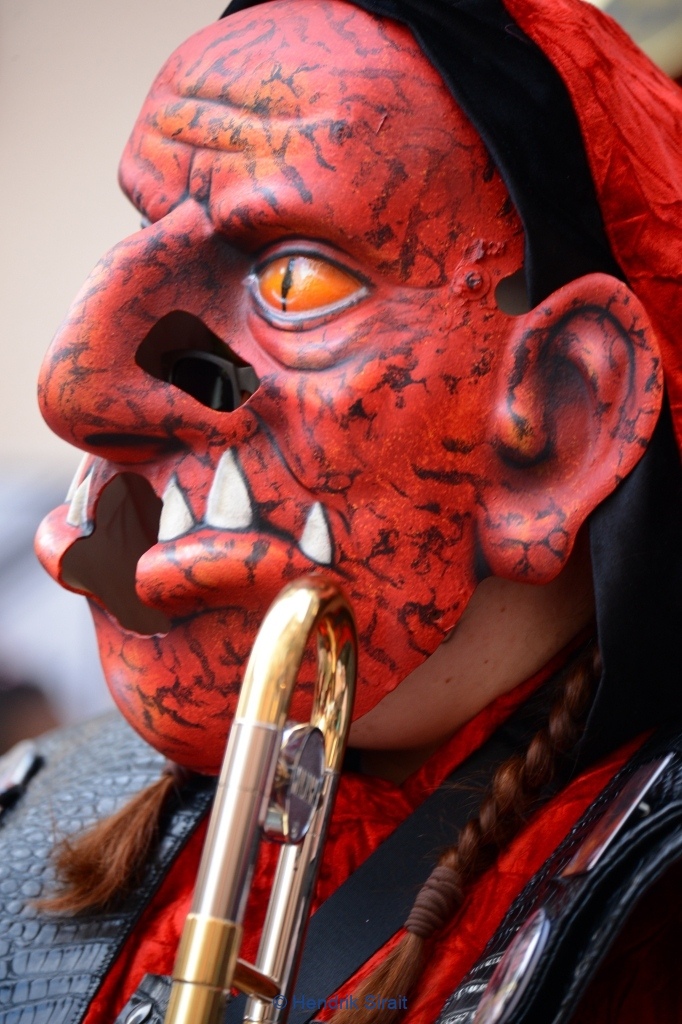
The Solothurner Fasnacht (Carnival of Solothurn) is legendary. For nearly a week, Switzerland’s most elegant baroque city completely abandons its usual quiet charm, declares a “state of emergency,” and plunges into a vibrant, chaotic, and heavily satirical celebration.
Dating back to at least the 15th century, Solothurn’s carnival is unique because the entire city temporarily deletes its own identity—renaming itself “Honolulu” and handing political control over to a guild of fools.
The Legend of “Honolulu”
During Fasnacht, if you use the word “Solothurn,” true carnival-goers will gently correct you. You are in Honolulu.
The name stems from a 19th-century joke by local residents who claimed that Solothurn sat exactly on the opposite side of the globe from Hawaii (which isn’t geographically true, but the humor stuck).
In 1888, the Narrenzunft Honolulu (The Honolulu Fools’ Guild) was officially formed. They kick off the festivities on January 13th (Hilari) at the historic Restaurant zum alten Stephan. Once Fasnacht officially arrives in February:
- The Mayor of Solothurn is formally dismissed and stripped of power.
- The head of the Fools’ Guild (Der Obernarr) takes over the keys to the city.
- The famous Rathausgasse (Town Hall Lane) is officially renamed Eselsgasse (Donkey Lane).
Chronological Highlights: The Main Events
The festival follows a strict, time-honored schedule that turns the old town upside down.
1. The “Chesslete” (Schmutziger Donnerstag / Fat Thursday)
This is the absolute climax of the festival and requires setting an early alarm. At exactly 5:00 AM, thousands of people pack into the pitch-black Friedhofplatz.
- The Dress Code: Everyone is dressed identically in a white vintage nightshirt (Nachthemd), a white pointy nightcap (Zipfelmütze), and a red neckerchief. No masks are allowed.
- The Big Noise: Before 5:00 AM, the square is dead silent. The second the clock strikes five, the Oberchessler gives a signal, and a deafening, thunderous roar erupts. Participants use cowbells, rattles (Rätschen), drums, and brass instruments to make as much noise as humanly possible to “wake up the city” and drive away the spirits of winter.
- The Reward: Around 6:00 AM, as the noise winds down, everyone rushes into the local bars (Beizen) to drink warm, spiced wine and eat Mehlsuppe (a traditional, savory flour soup) which is handed out for free to warm up the revellers.
2. The Big Parades (Sunday & Tuesday Afternoon)
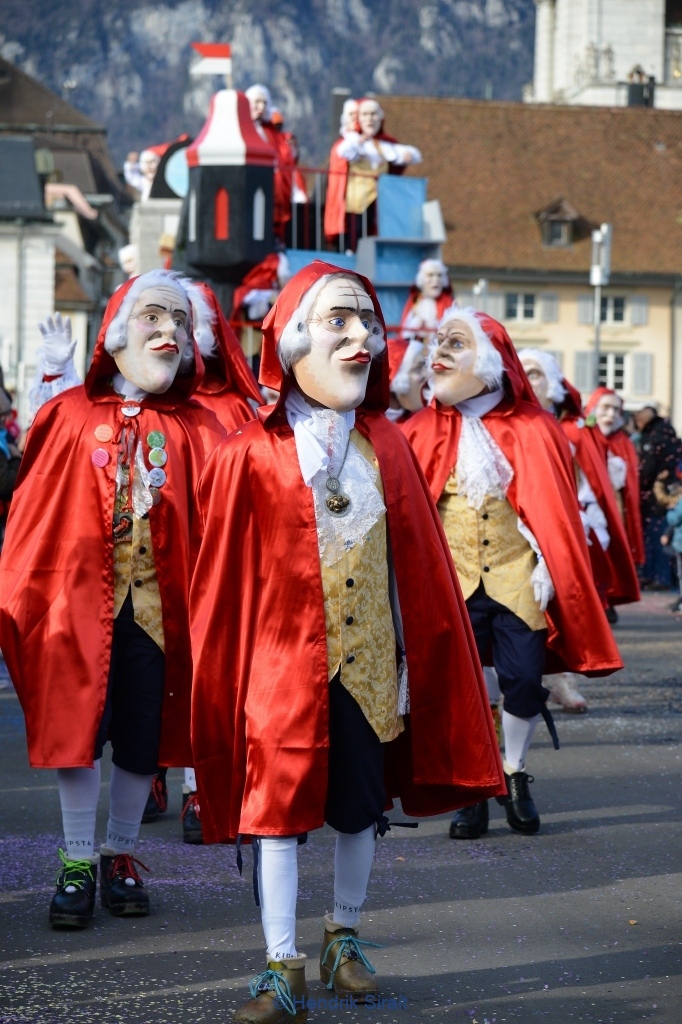
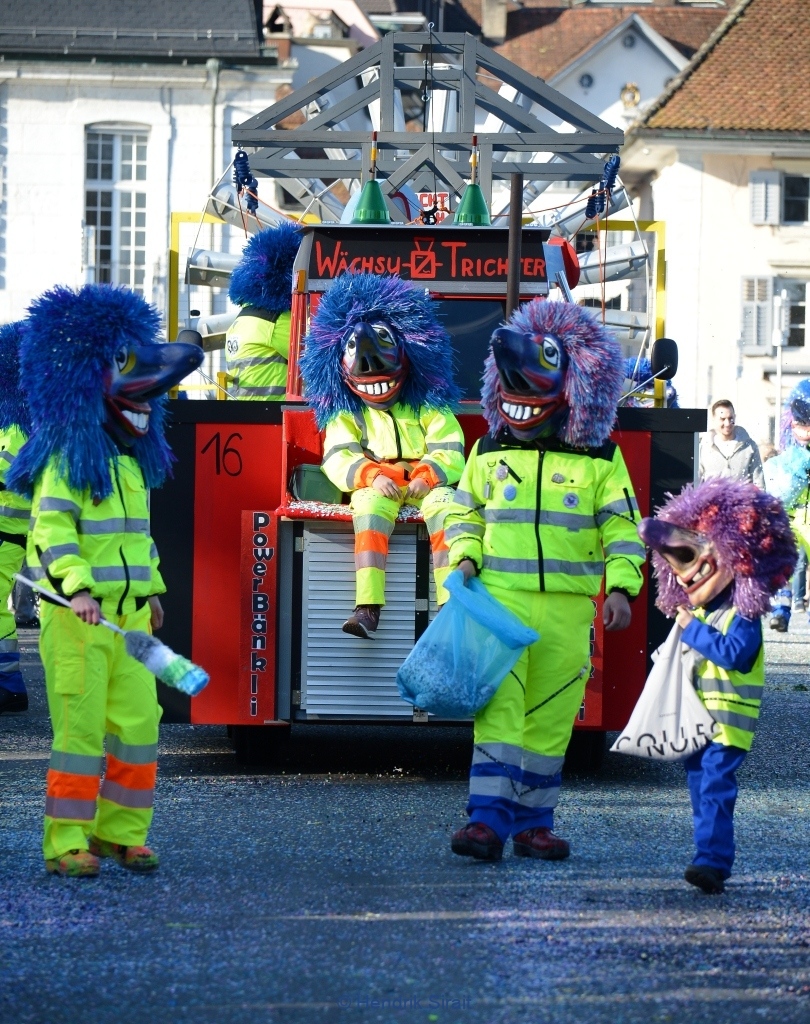
Starting at precisely 2:31 PM (a characteristically absurd carnival time), the grand parades weave through the old town. Around 30,000 spectators line the streets to watch up to 1,400 active participants.
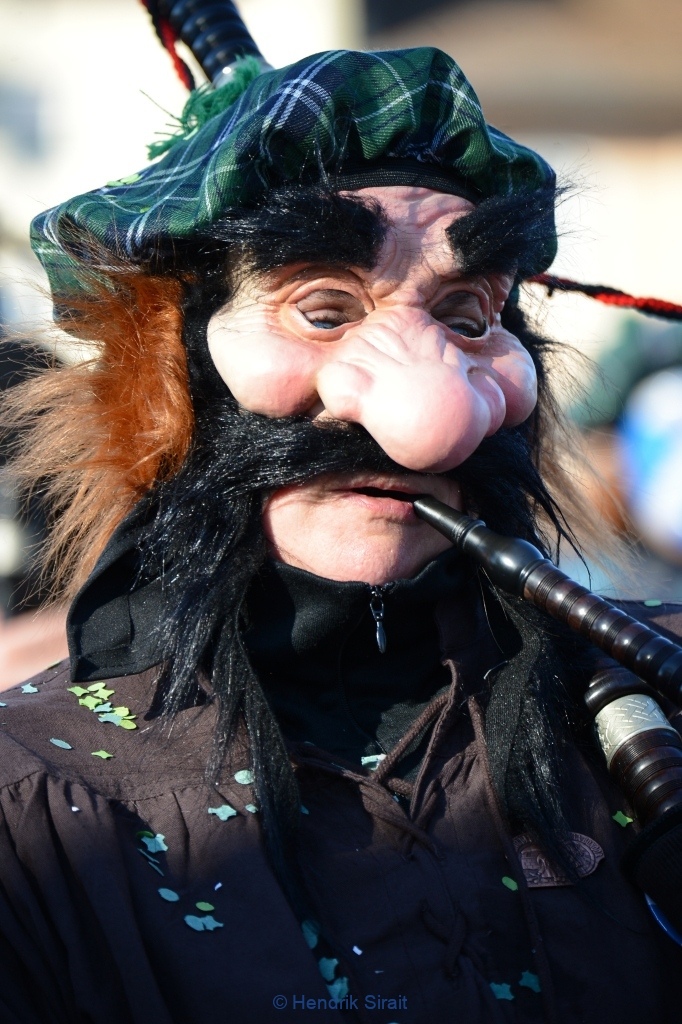
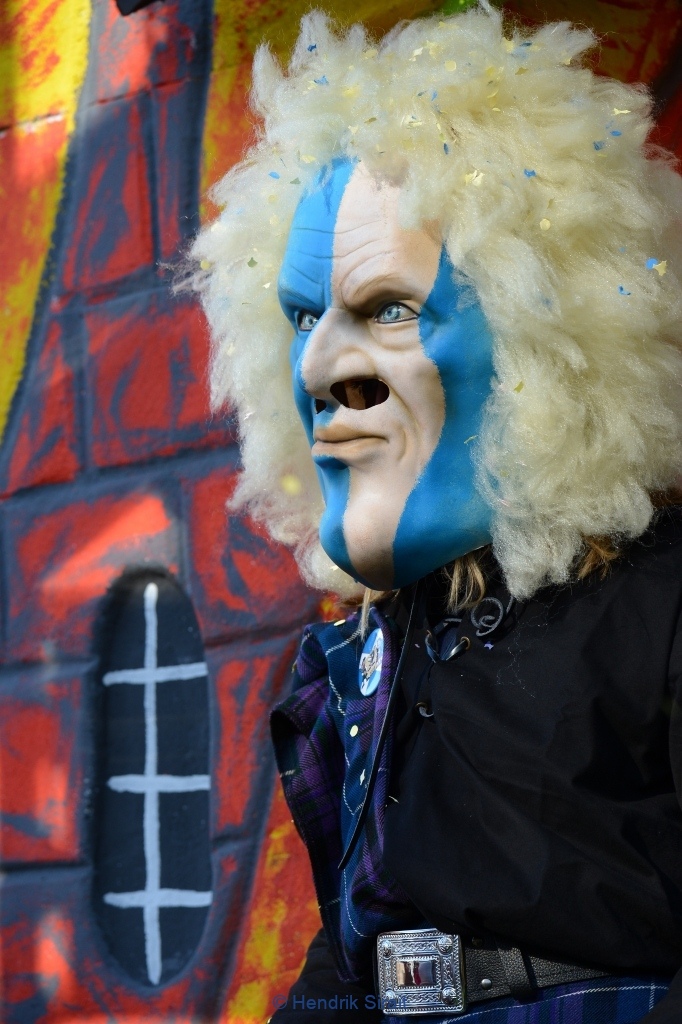
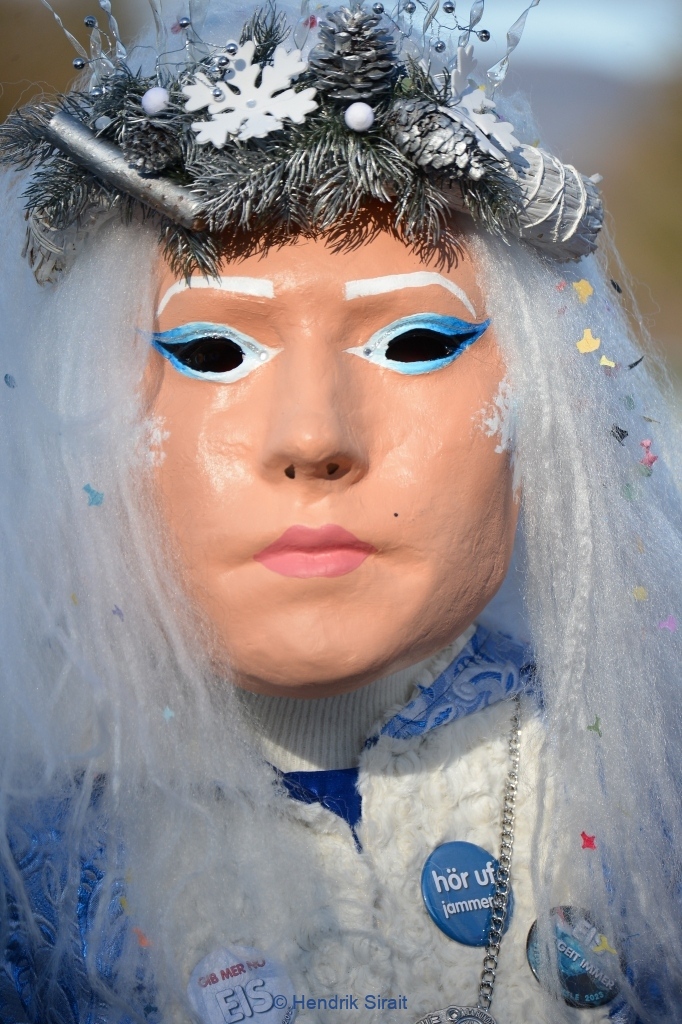
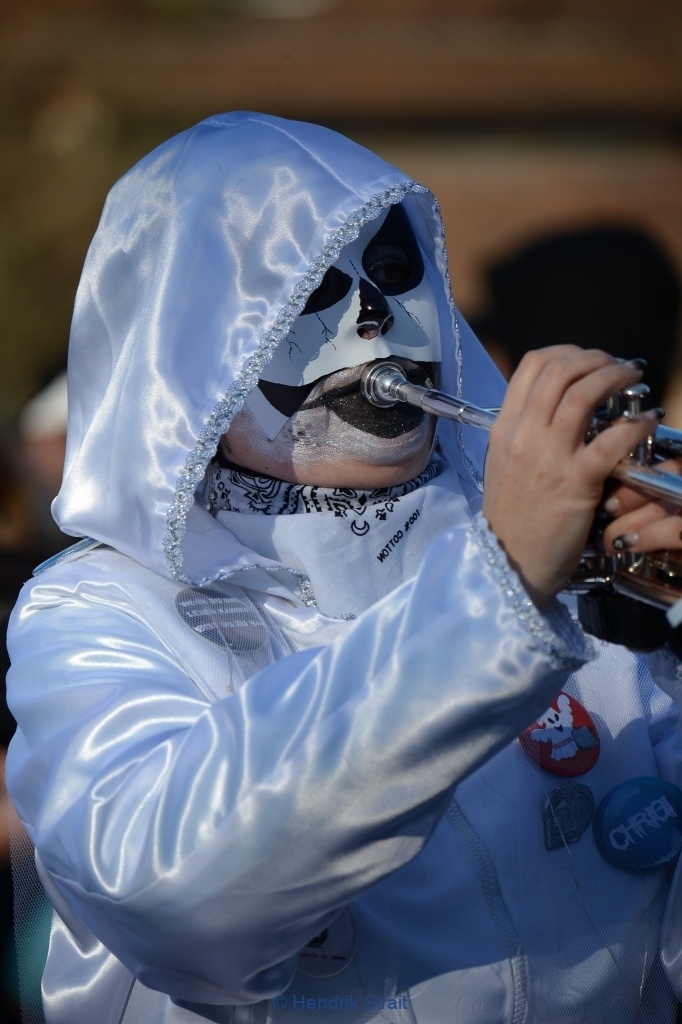
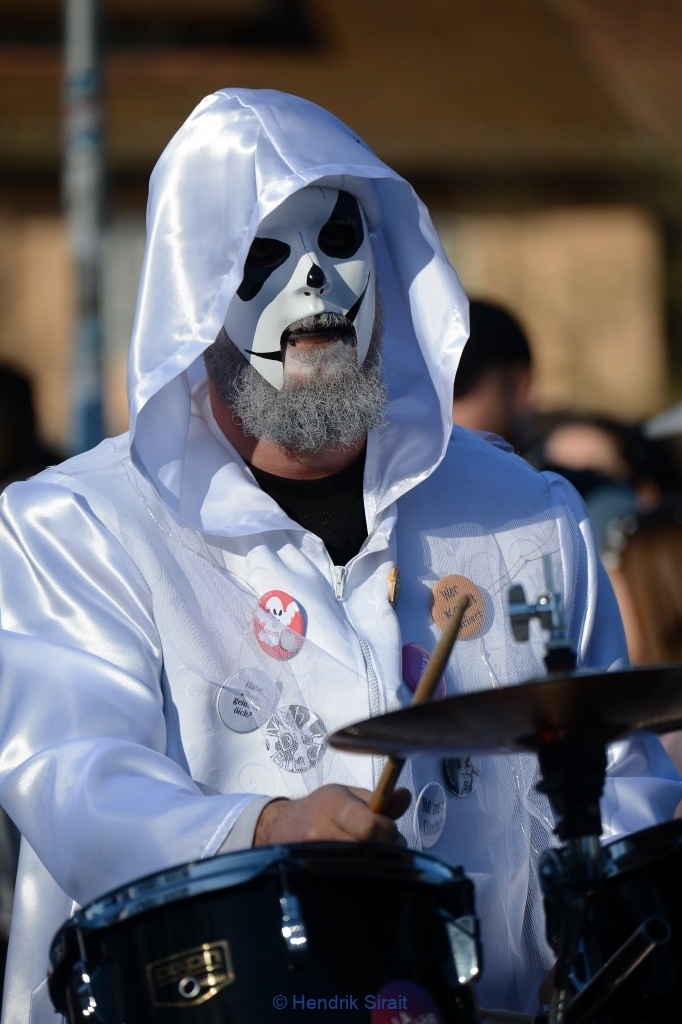
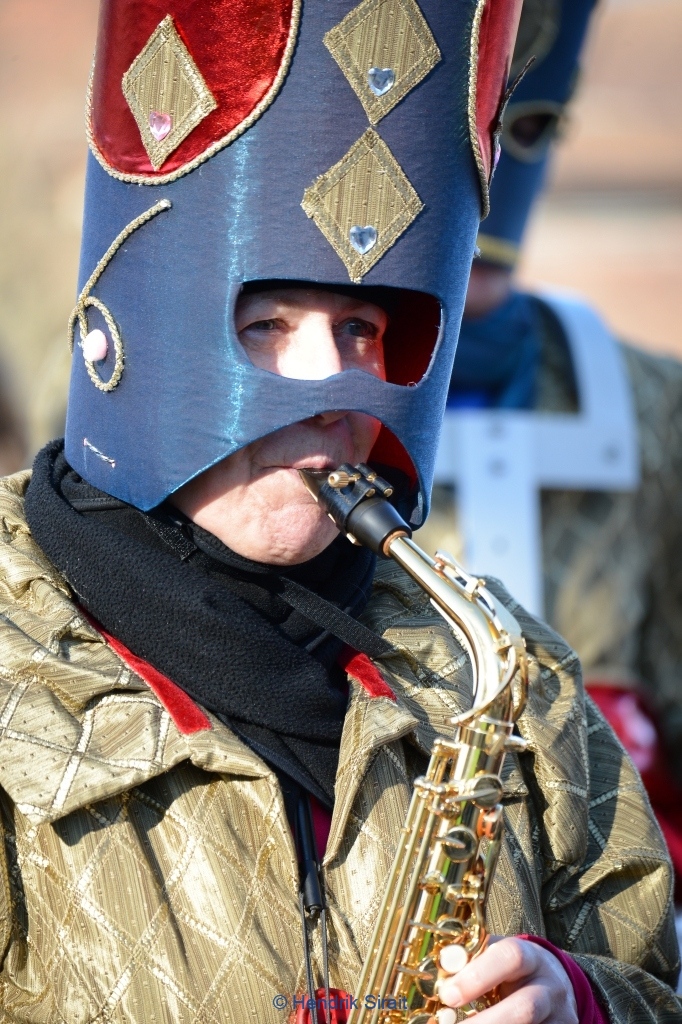
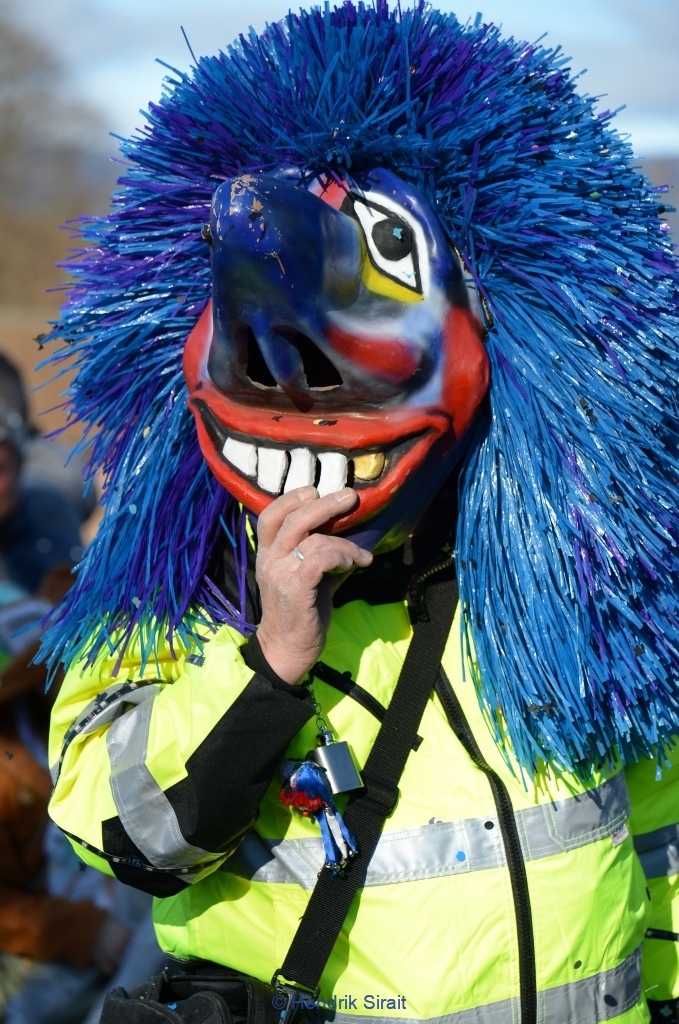
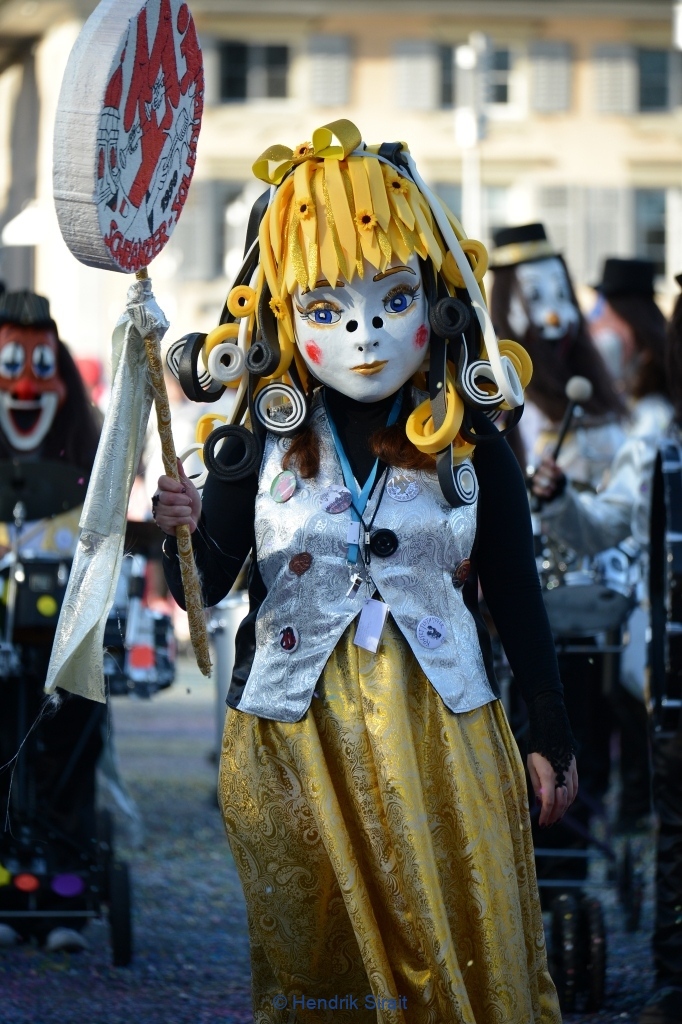
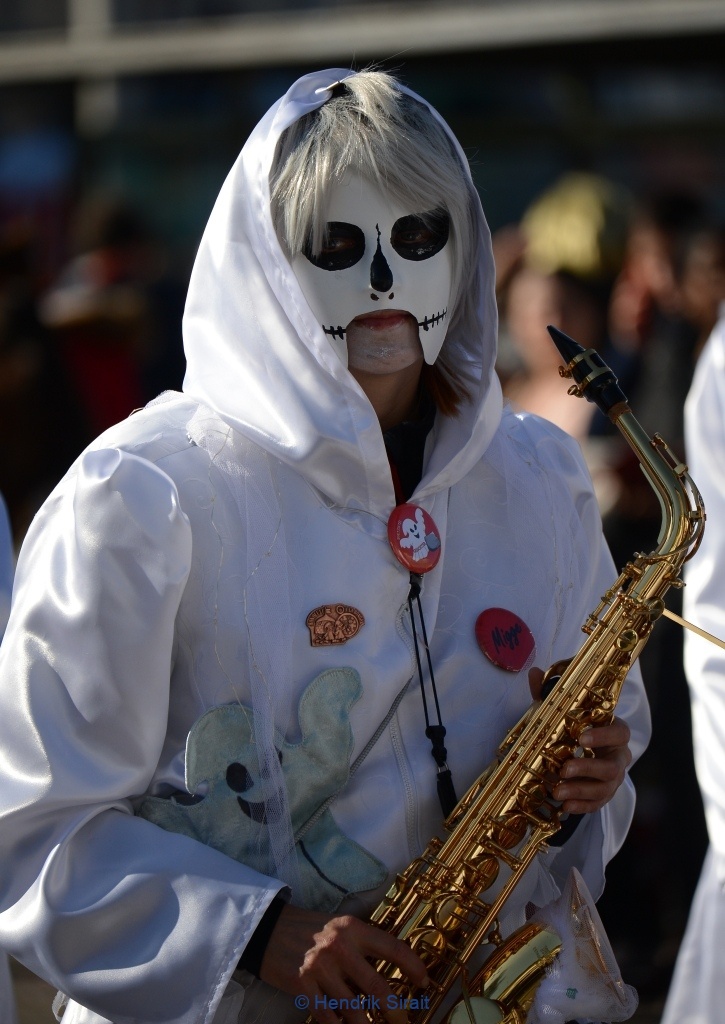
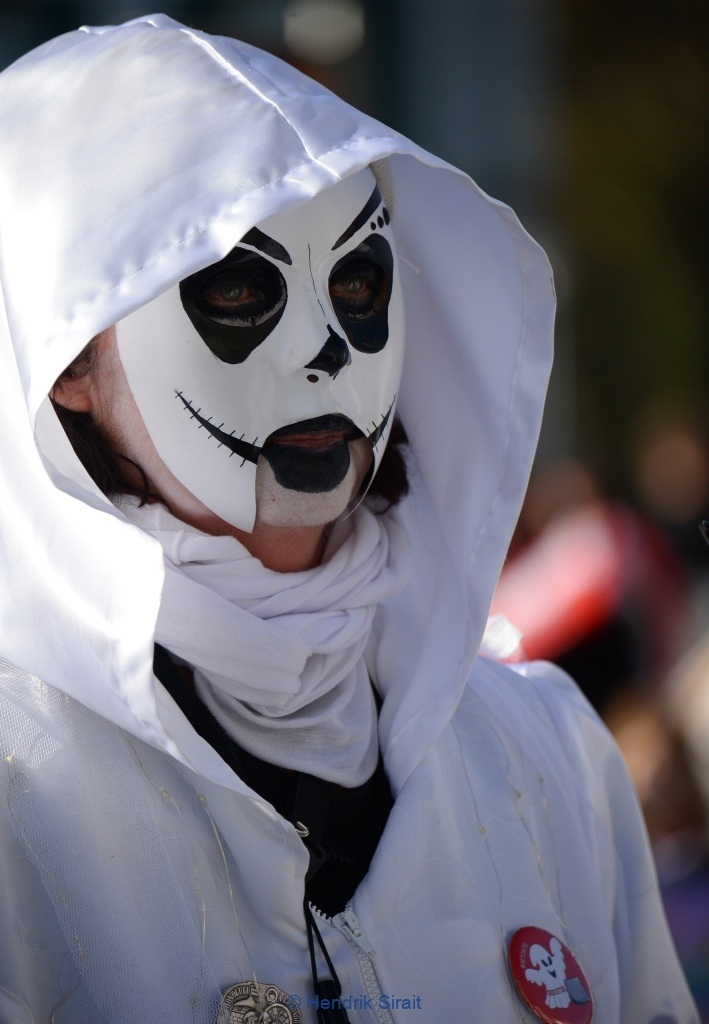
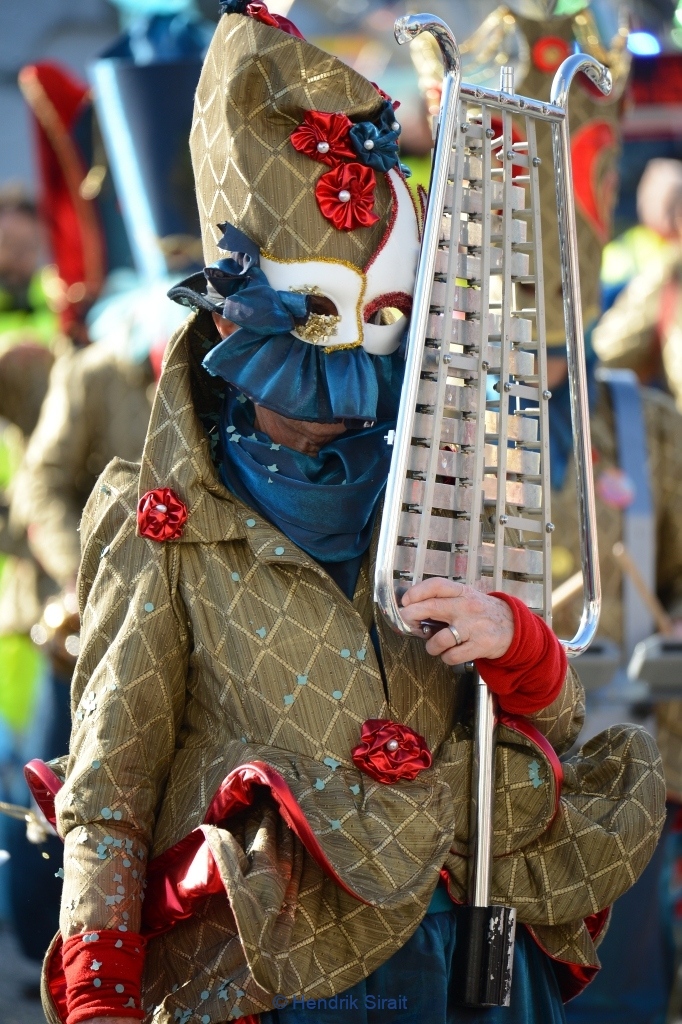
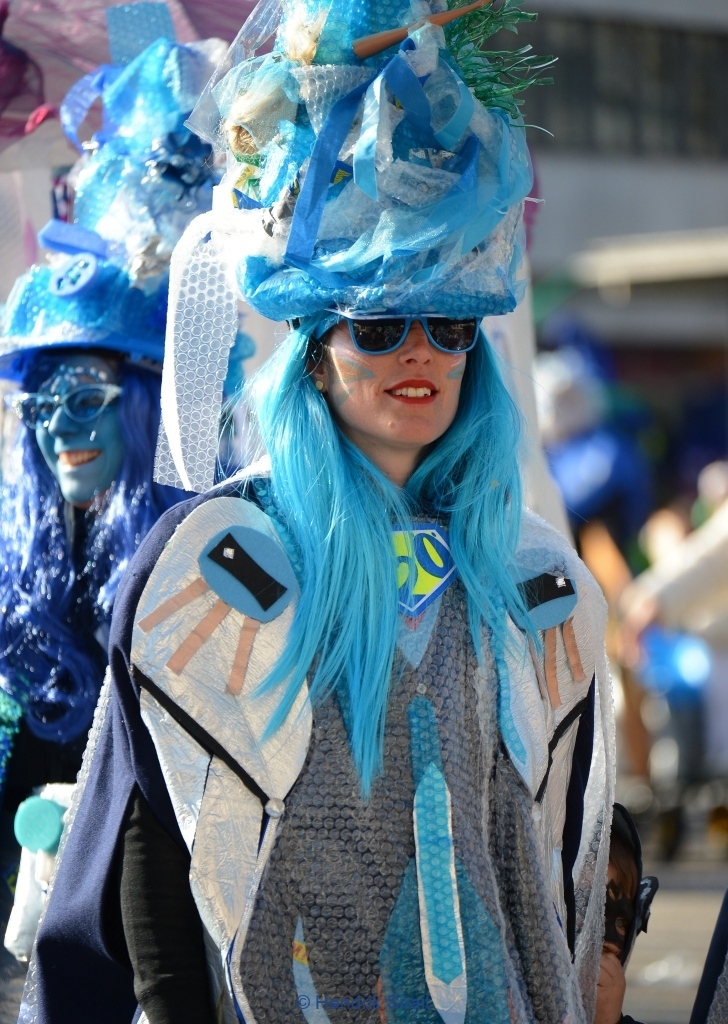
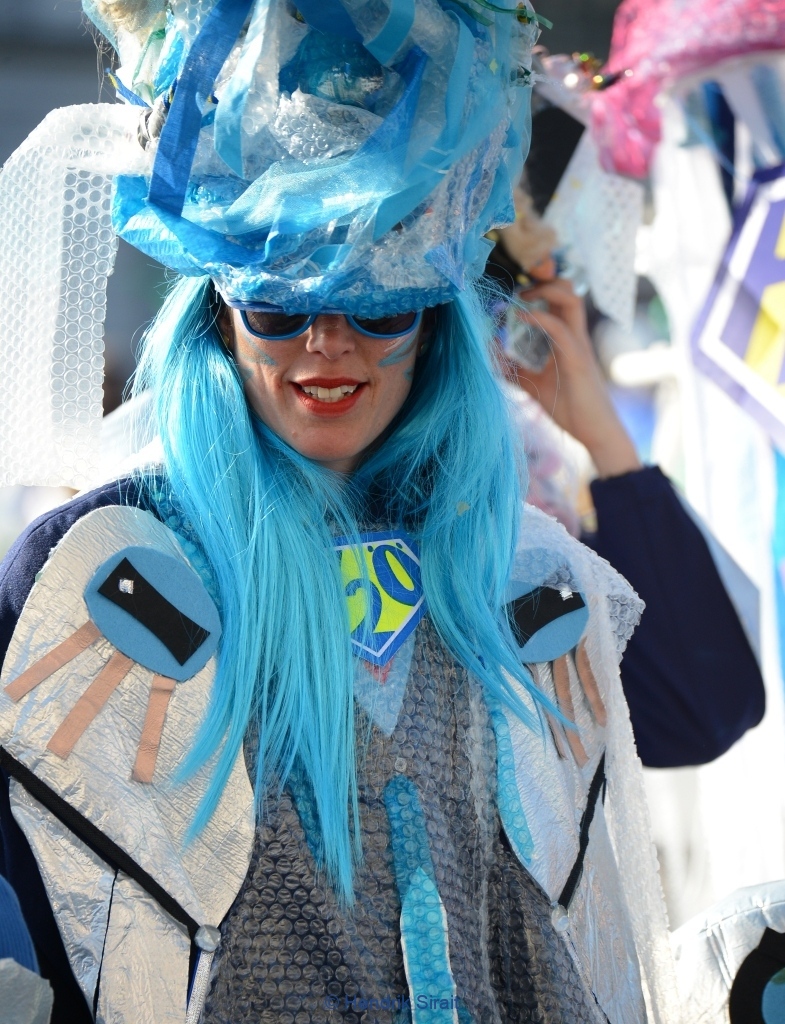
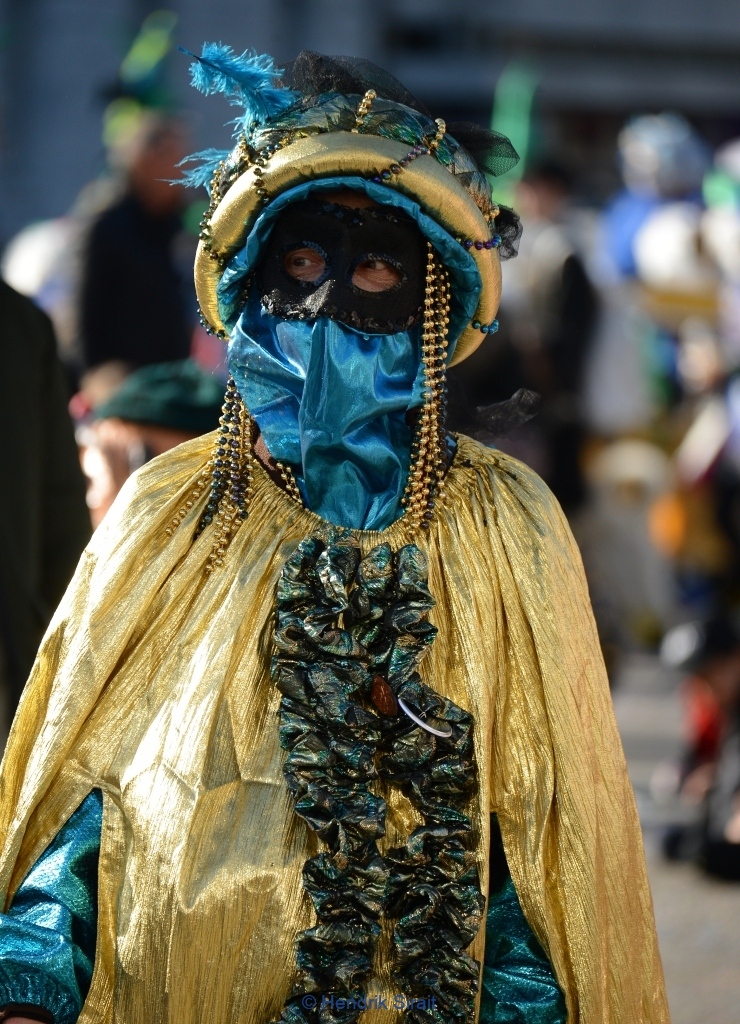
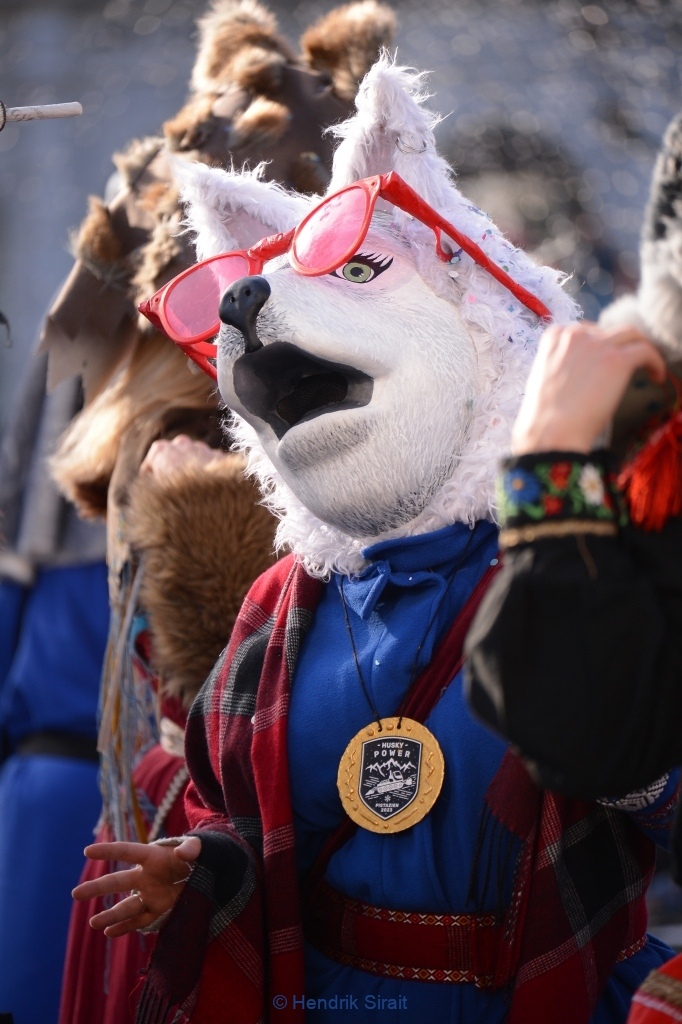
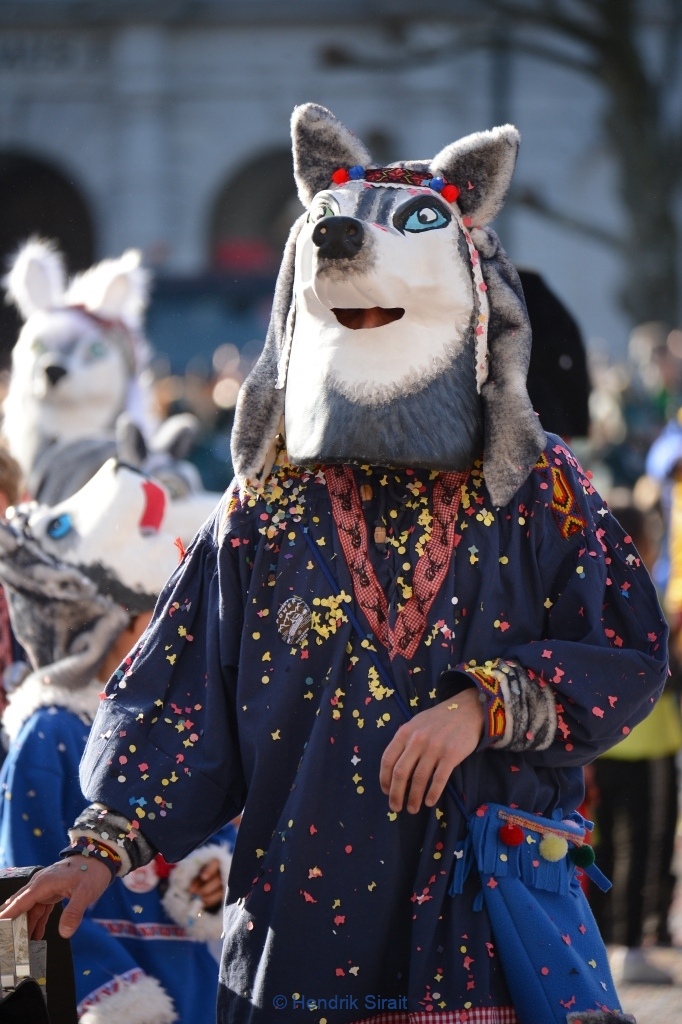
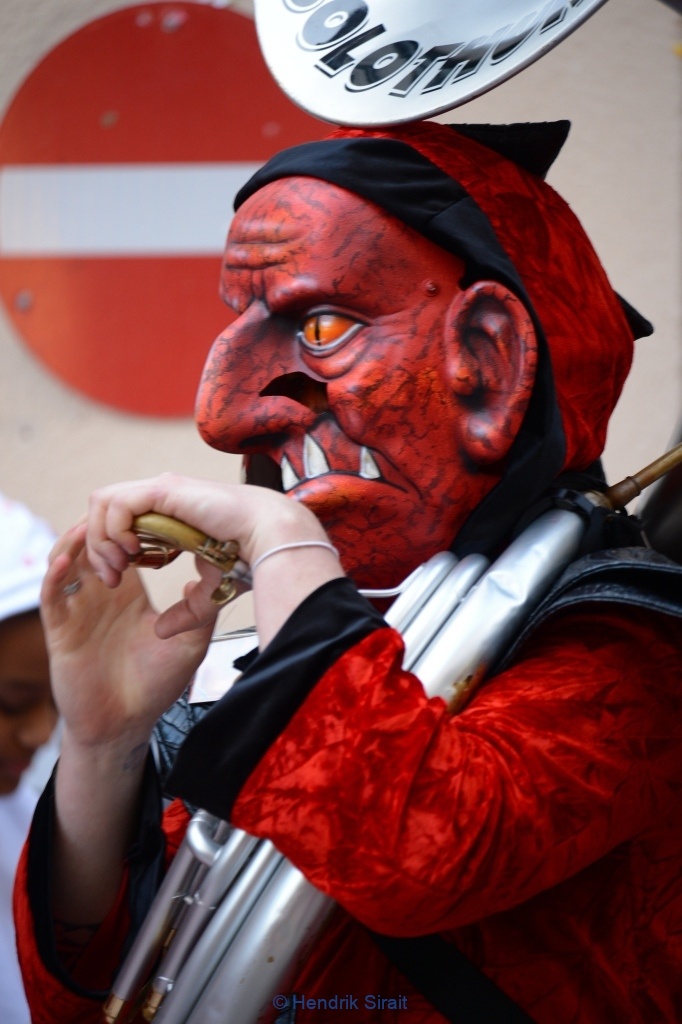
- Guggenmusik: High-energy, costumed brass bands march through the street playing famously off-key, loud, and rhythmic pop and rock covers.
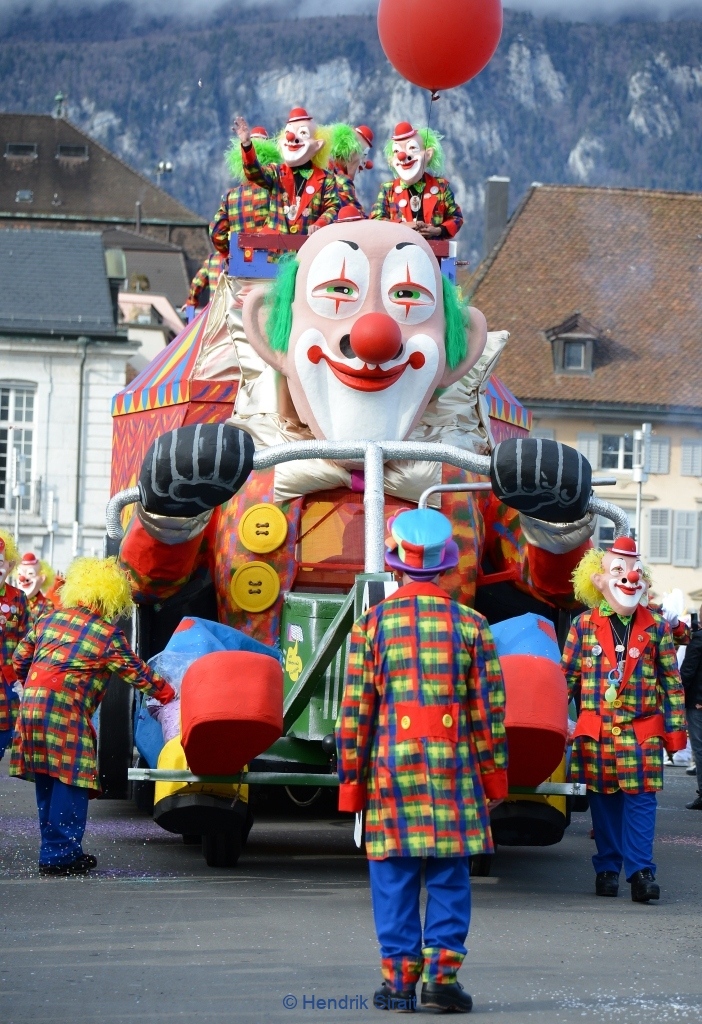
- Satirical Floats: Massive, beautifully engineered floats parade past. Unlike other carnivals that have general fantasy themes, Solothurn’s floats are fiercely political and sharply satirical—mocking local politicians, Swiss scandals, and global events from the past year.
3. The Burning of the Böögg (Ash Wednesday Evening)
The final act takes place on Ash Wednesday evening. The Honolulu guild members lead a slow, somber procession through the streets to the town square while singing the traditional Brämenlied.
In the center of the square stands the Böögg, a massive, five-times-lifesize straw monster packed with firecrackers (to represent a man one year, and a woman the next, in the spirit of equality). The straw figure is set ablaze. As it cracks, explodes, and burns down to ashes, it marks the end of the “state of emergency.” The town keys are returned to the real mayor, Honolulu turns back into Solothurn, and locals jokingly wipe away a “tear in their buttonhole” until next year.
What to Prepare: The Visitor’s Checklist
If you want to experience Fasnacht like a local, you need to prepare a few key things:
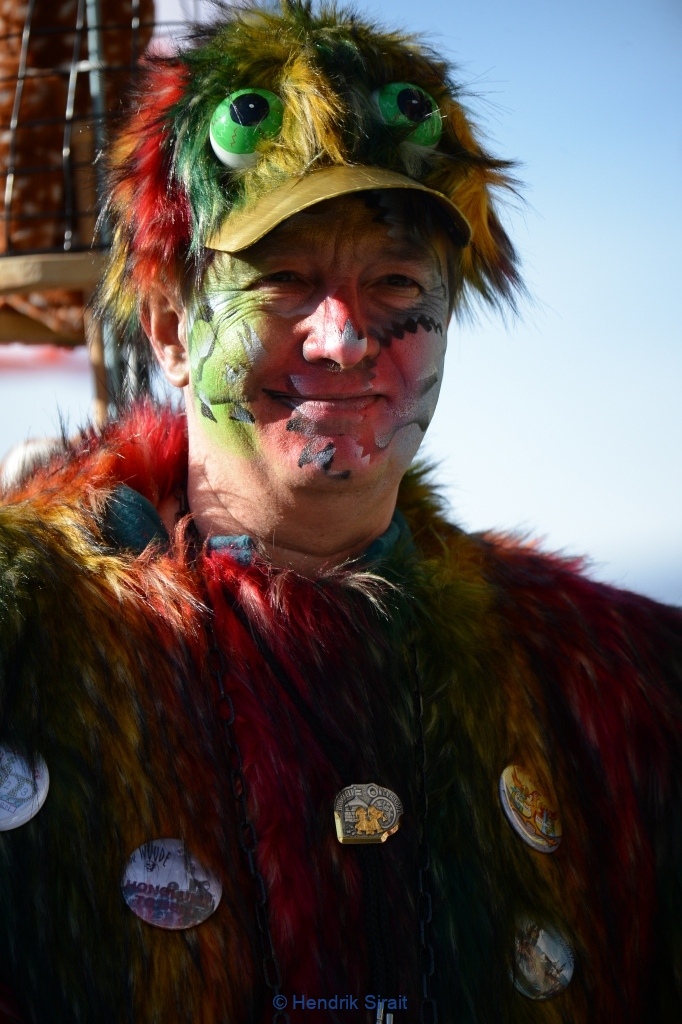
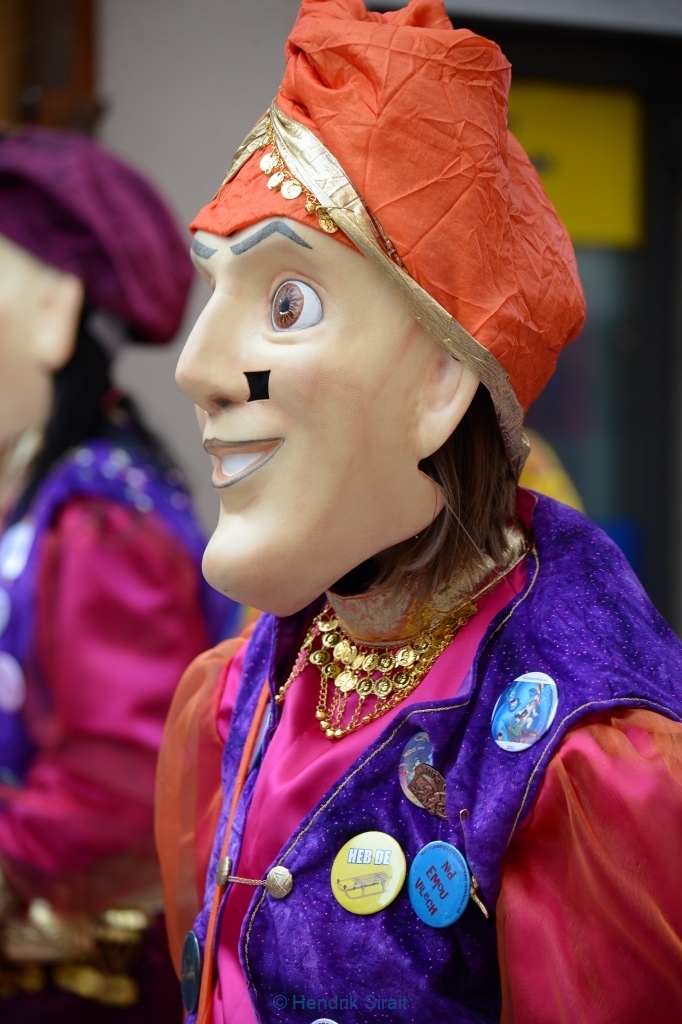
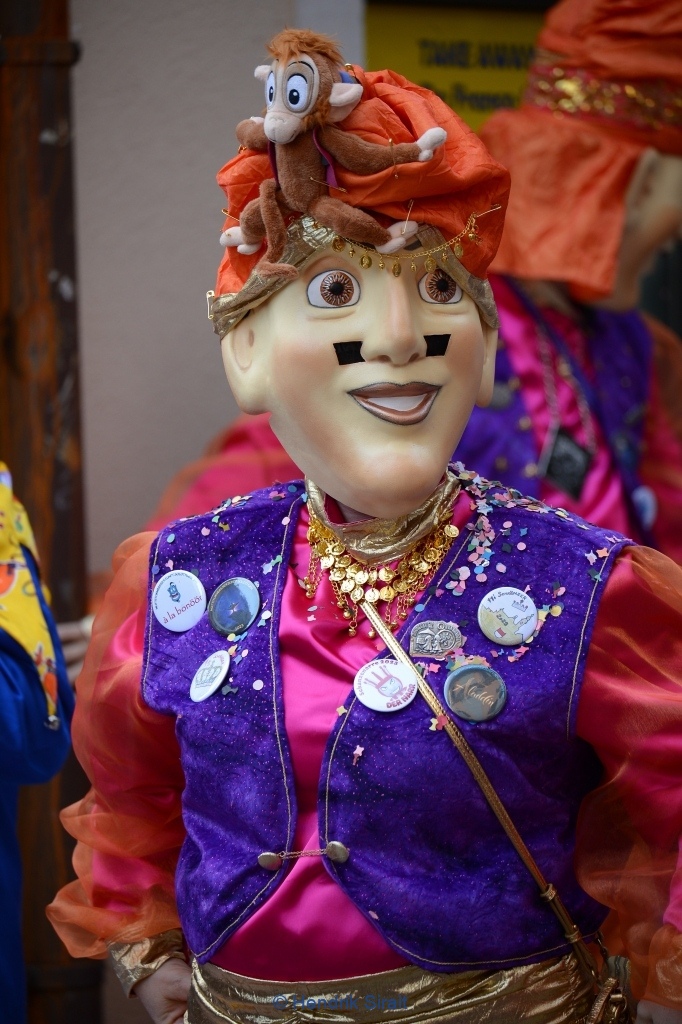
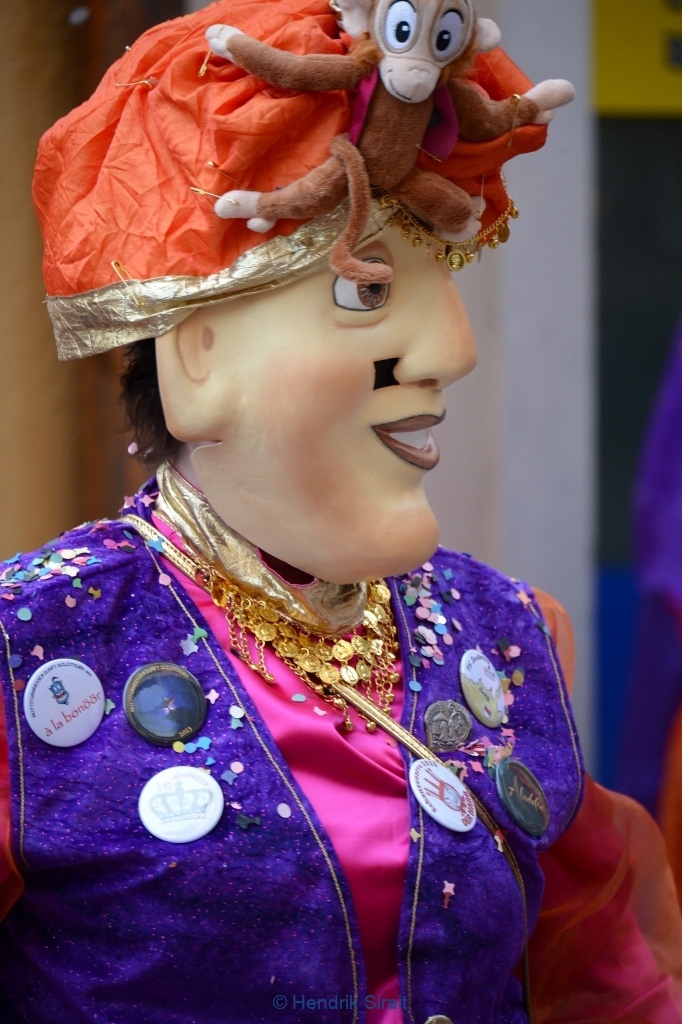
- Get the Plakette (Carnival Pin): This is a small metal badge sold all over the city streets by the guild. Buying one is a badge of honor—it funds the parades, helps pay for the free morning flour soup, and shows you support the local culture.
- Pack a White Nightshirt: If you plan to attend the 5:00 AM Chesslete on Thursday, do not show up in regular clothes. Grab a plain white oversized nightshirt, a white nightcap, and a red bandana. Standing in that sea of white torches is a magical experience, but only if you dress the part.
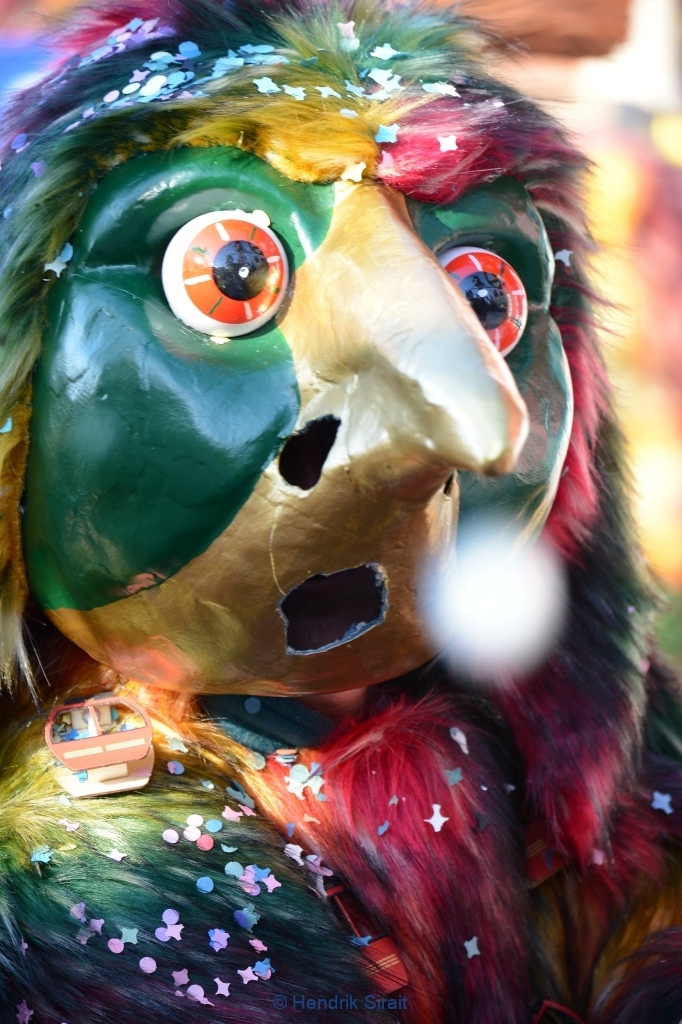
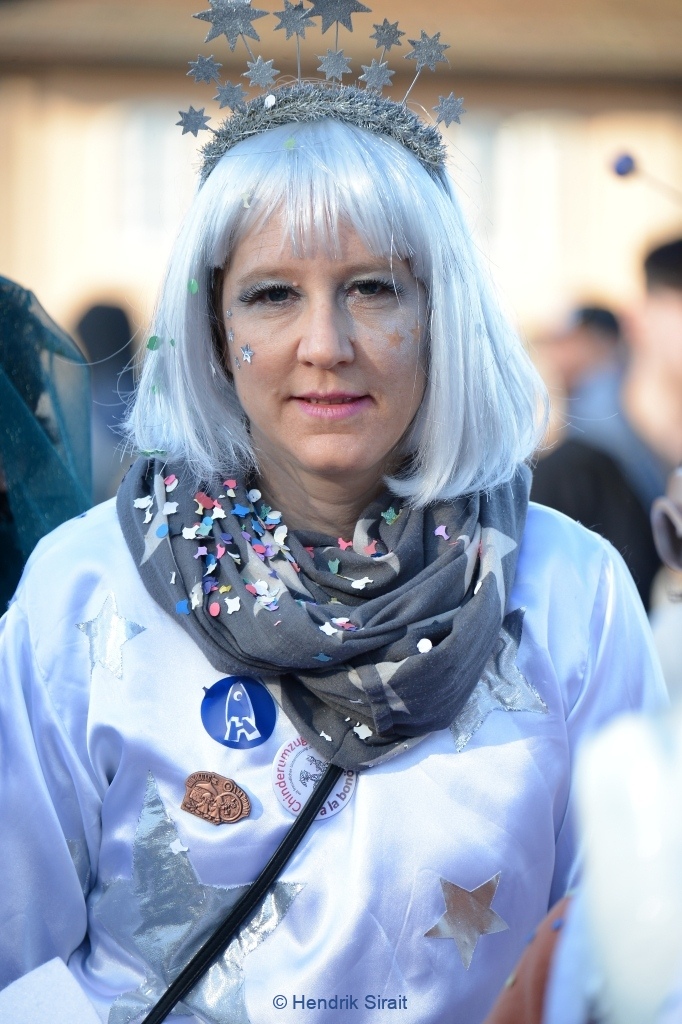
- Embrace the Crowds and “Guggen”: The narrow medieval alleys of Solothurn get incredibly packed. The music is loud, confetti (Räppli) will get everywhere, and bars will be standing-room-only. Dress in warm layers (February in Switzerland is chilly!) that you don’t mind getting a bit dirty


























Thank you for visiting of my website and any comments and request are welcome.
Regards,
Hendrik