Grimselpass

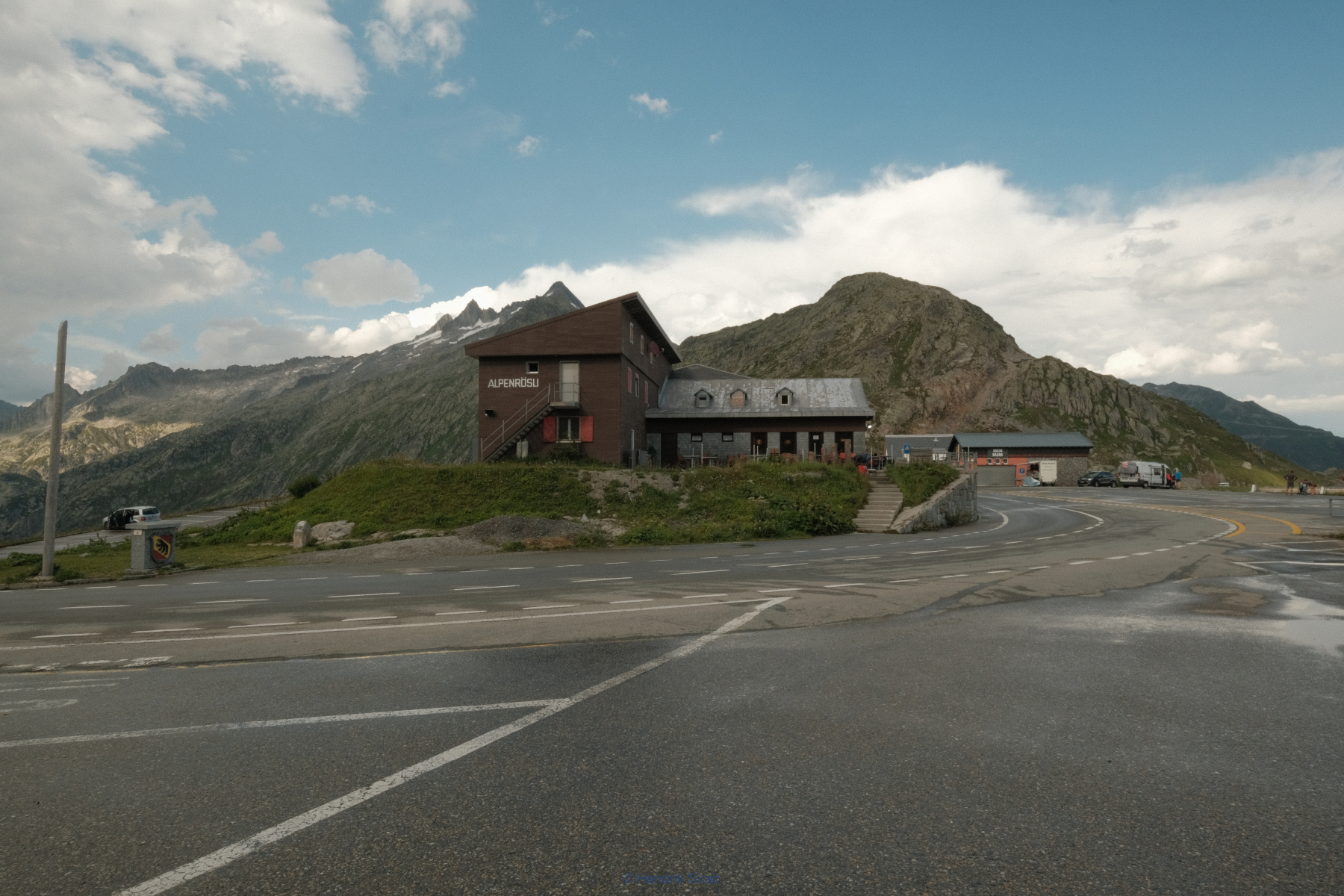
The Grimsel Pass (Grimselpass) is one of Switzerland’s most dramatic, rugged, and engineering-heavy alpine mountain passes. Peaking at an elevation of 2,164 meters above sea level, it crosses the Bernese Alps, linking the Hasli Valley (Haslital) in the canton of Bern with the Goms district in the canton of Valais.
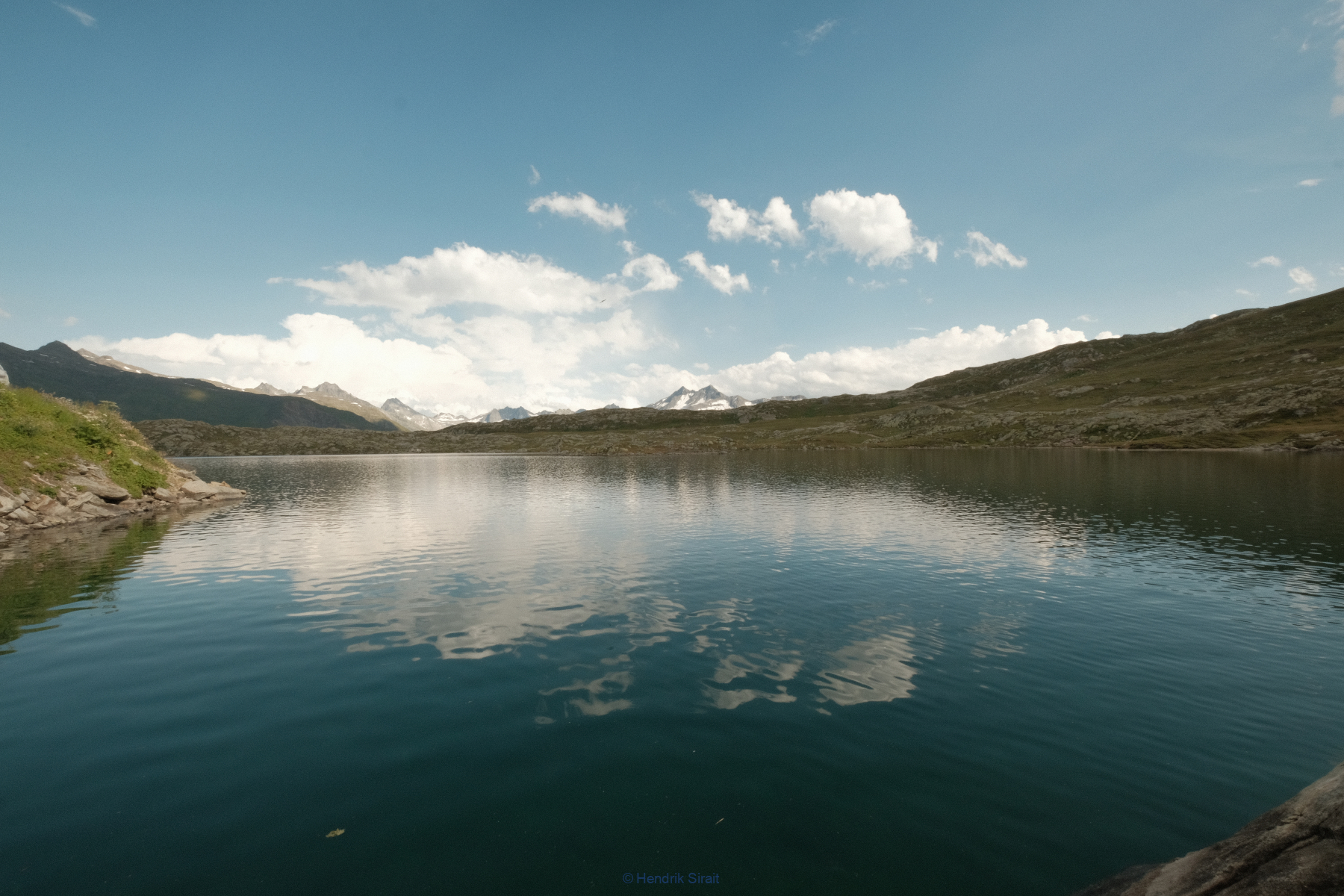
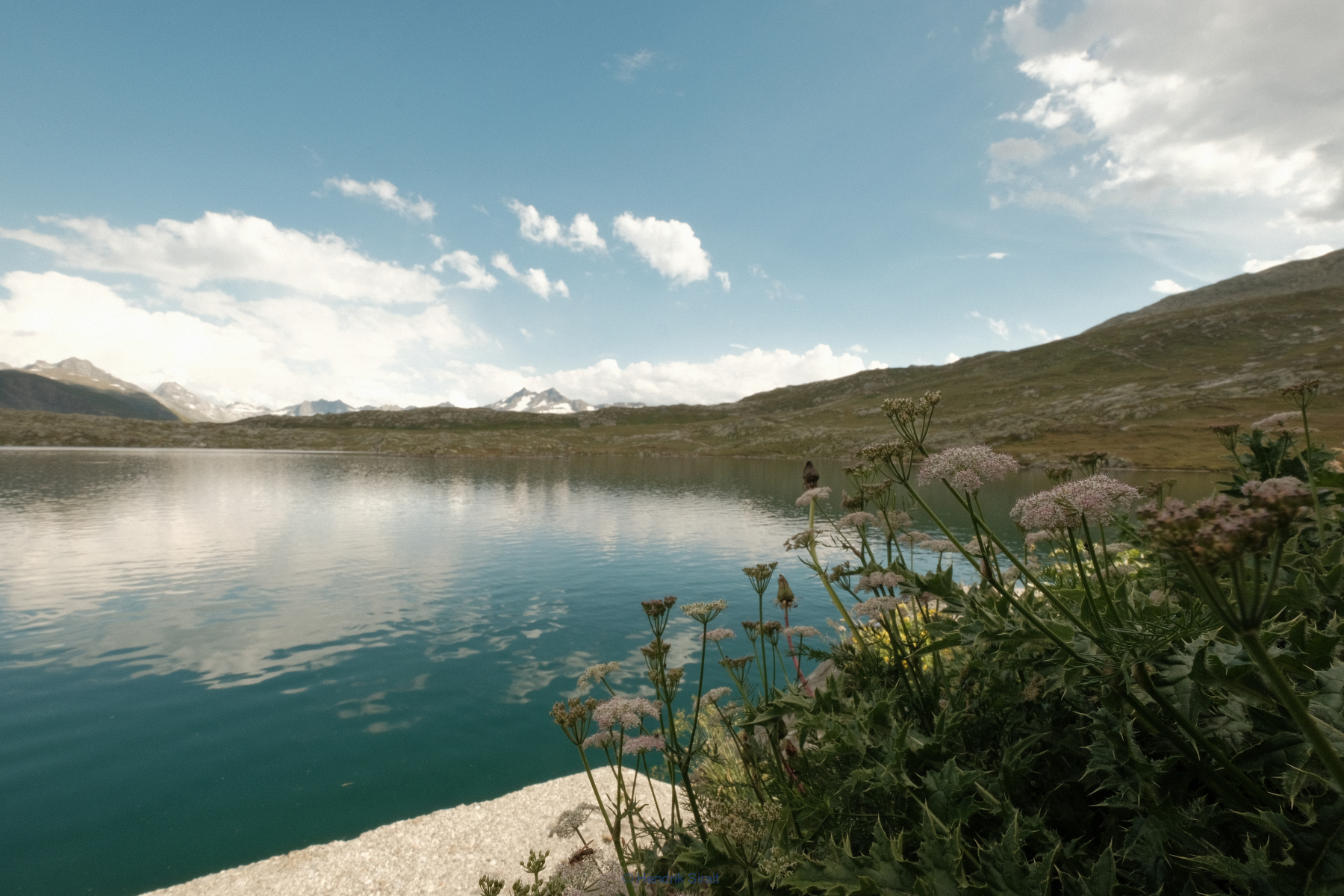
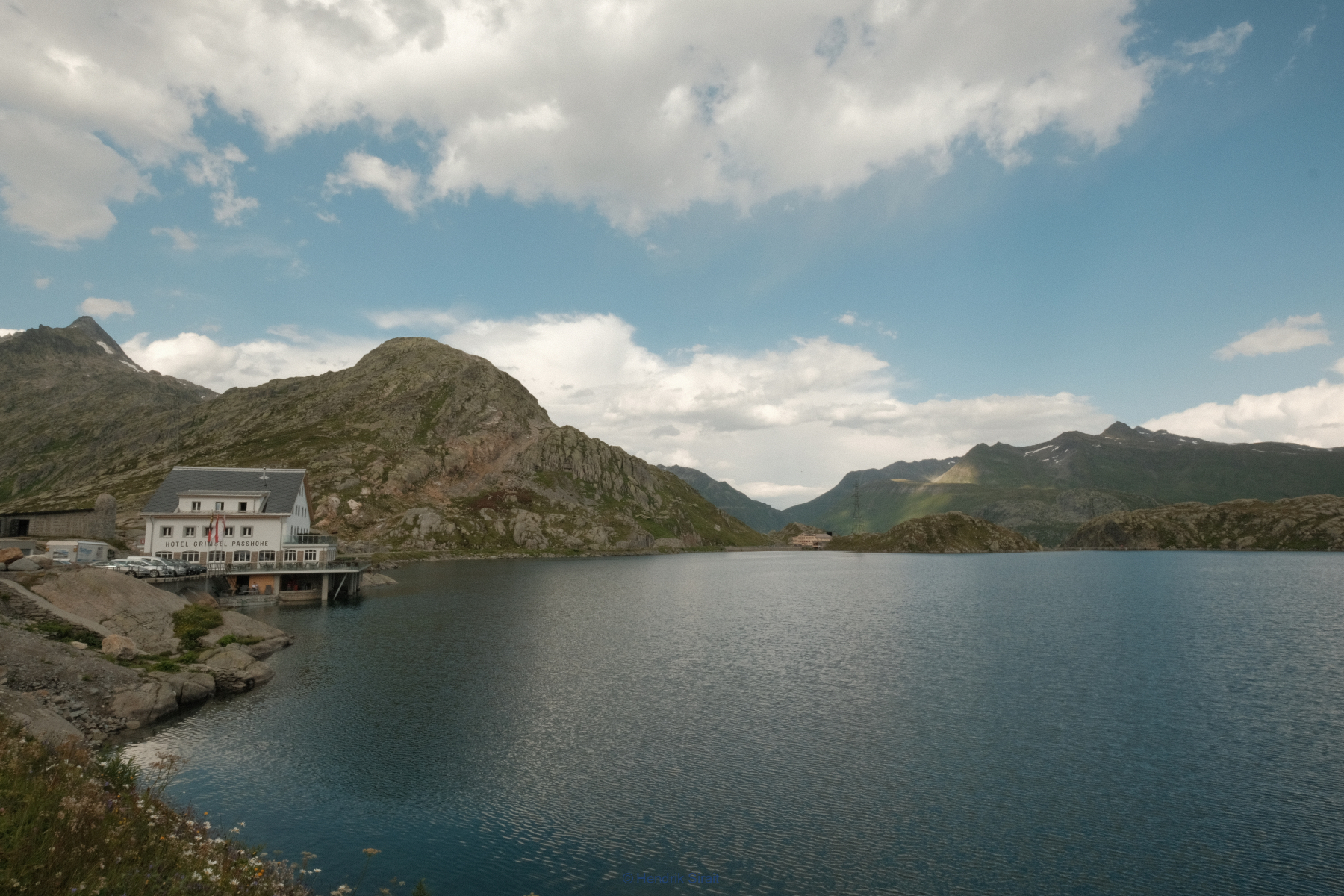
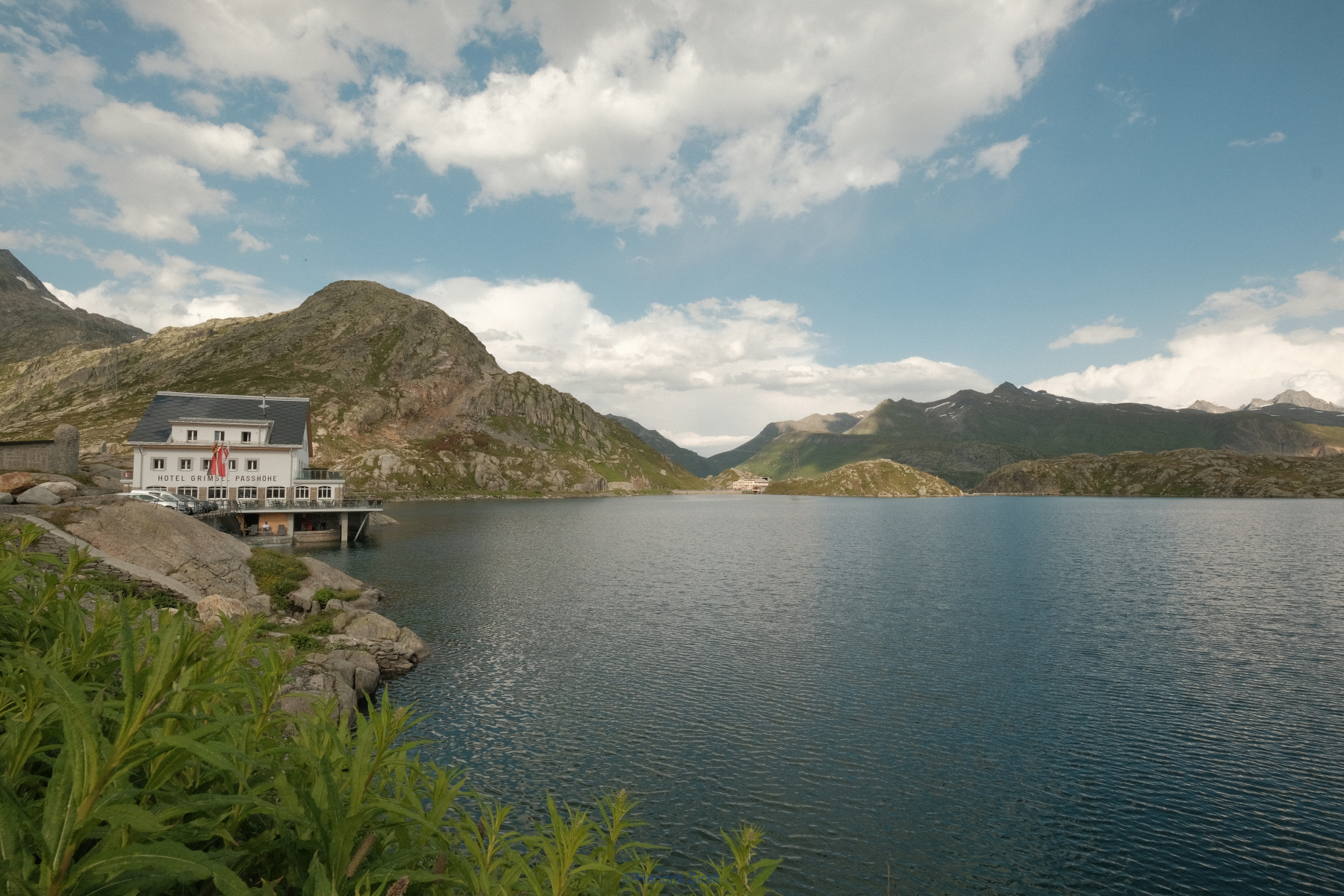
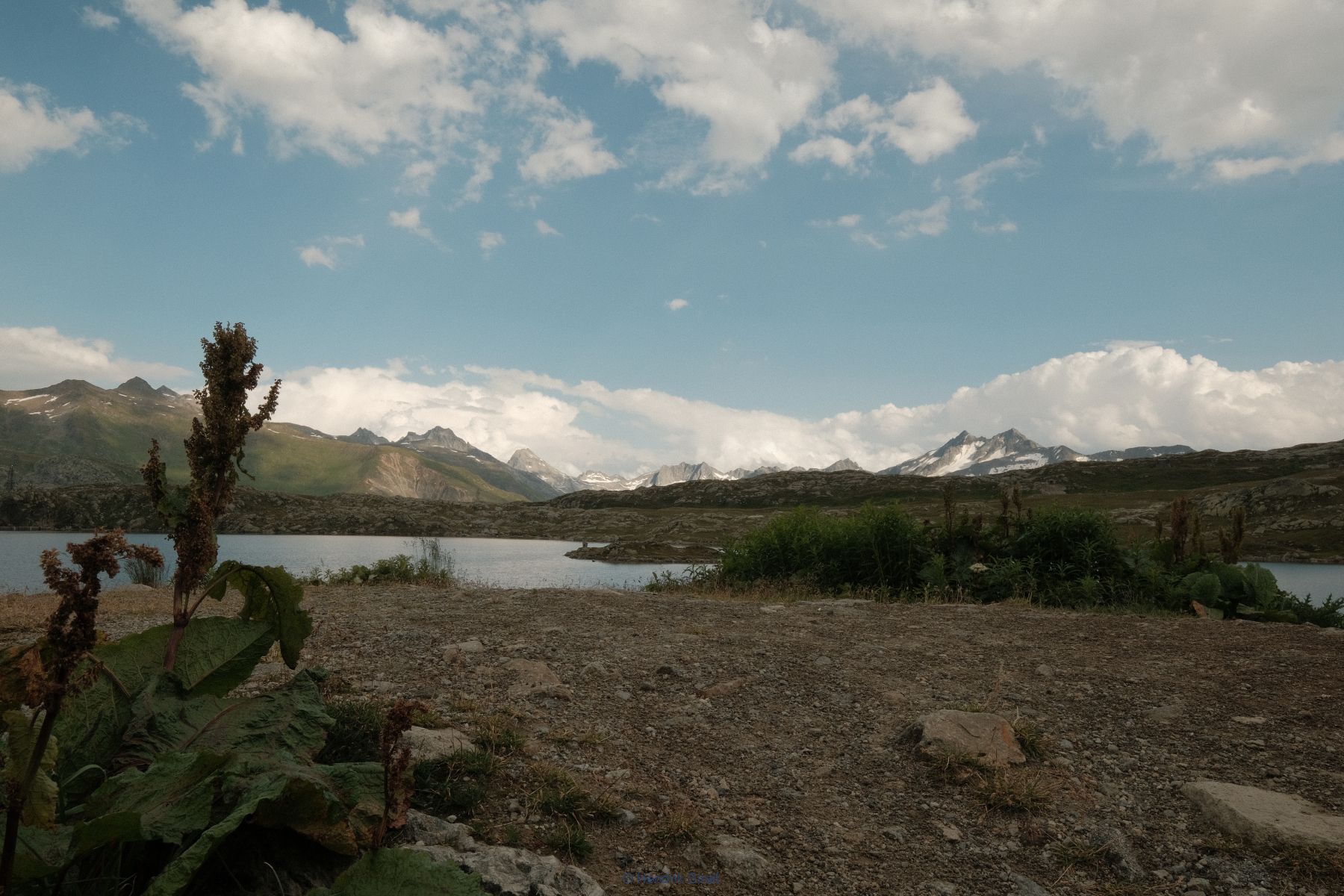
Unlike the lush, soft green meadows of other Swiss passes, Grimsel is famous for its wild, stark, and almost lunar landscape. It features massive, smooth domes of bare granite rock, sheer cliffs, and a spectacular series of interconnected, milky-turquoise hydroelectric reservoir lakes.
The Drive: A Masterpiece of Alpine Engineering
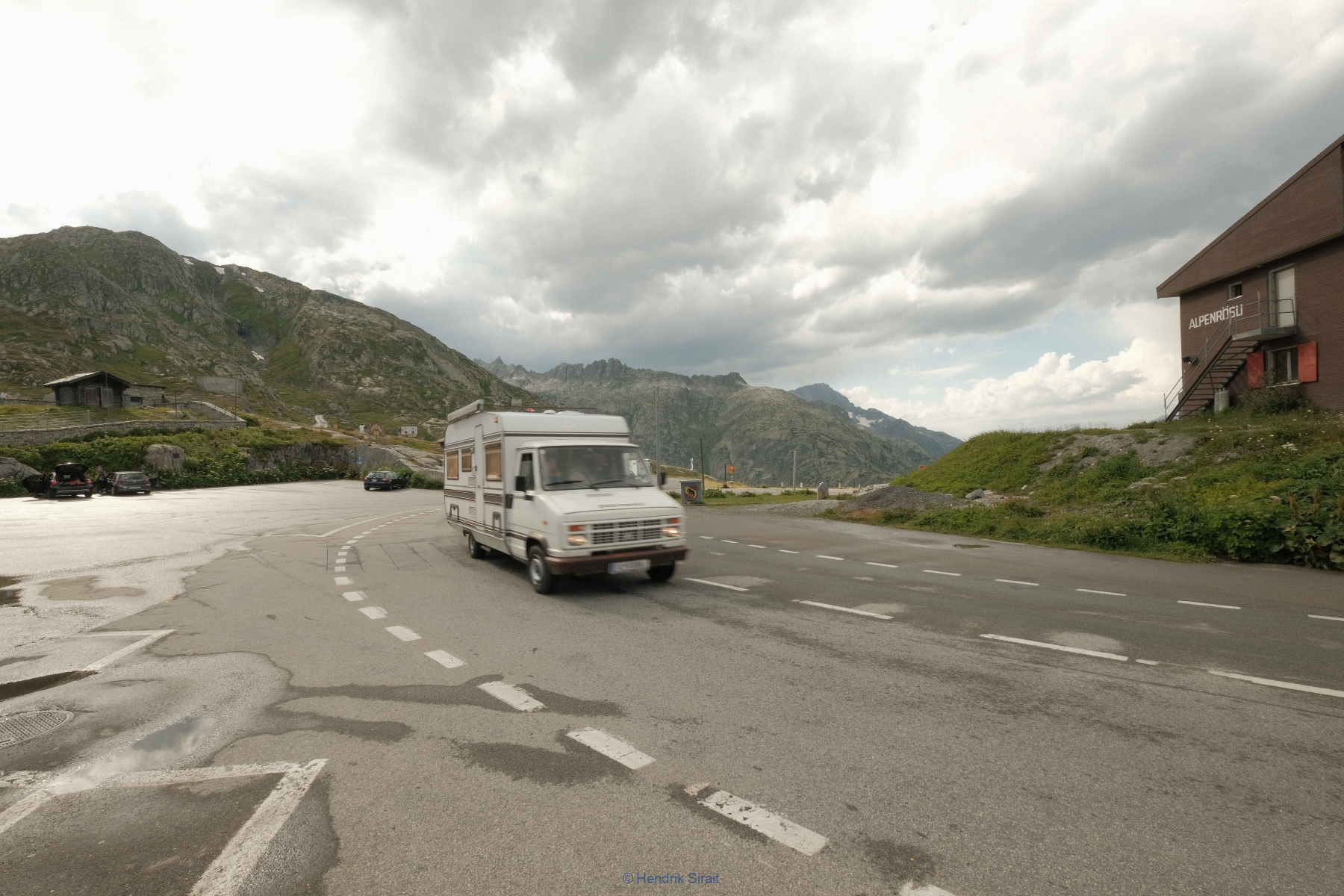
The road over the Grimsel Pass is wide, beautifully paved, and widely considered one of the ultimate driving and motorcycling routes in Europe.
- The Valais Side Switchbacks: Driving up from the south (Goms valley), the road climbs via a breathtakingly tight, stacked staircase of hairpin turns. As you ascend, you get a direct, sweeping view across the valley of the neighboring Furka Pass road snaking up the opposite mountain face.
- The Bernese Side Reservoirs: As you cross the summit and drop down toward Meiringen, the road winds directly alongside and over the massive stone dams of three distinct reservoirs: the Totensee (at the summit), the Grimselsee, and the Räterichsbodensee.
Key Highlights and Attractions
Grimsel Hospiz sits majestically on a rugged stone promontory jutting out between two reservoir lakes.
- The History: A guest house has stood on this rough mountain spot since 1142, originally serving as a rough stone shelter for trans-alpine traders swapping Swiss cheese for Italian wine. Today, it has been transformed into a historic, eco-luxury 4-star alpine hotel. It is entirely heated using waste heat from the underground hydroelectric turbines.
Gelmerbahn (The Gelmer Funicular) is located on the northern approach of the pass. It is famous for being Europe’s steepest open-air funicular railway, tackling a dizzying maximum gradient of 106%.
- The Ride: Originally built in 1926 to haul heavy building materials for the concrete dams, it now carries thrill-seeking tourists backwards up the near-vertical cliff face to the pristine, high-alpine Gelmersee. Booking your timed ticket online weeks in advance is highly recommended, as it sells out completely every sunny summer day.
Handeckfall Bridge is a spectacular pedestrian suspension footbridge hanging 70 meters directly over the roaring Handeck waterfall canyon. Located right near the base station of the Gelmerbahn, it connects the local hotel to the cableway, offering a heart-racing aerial view down into the churning whitewater.
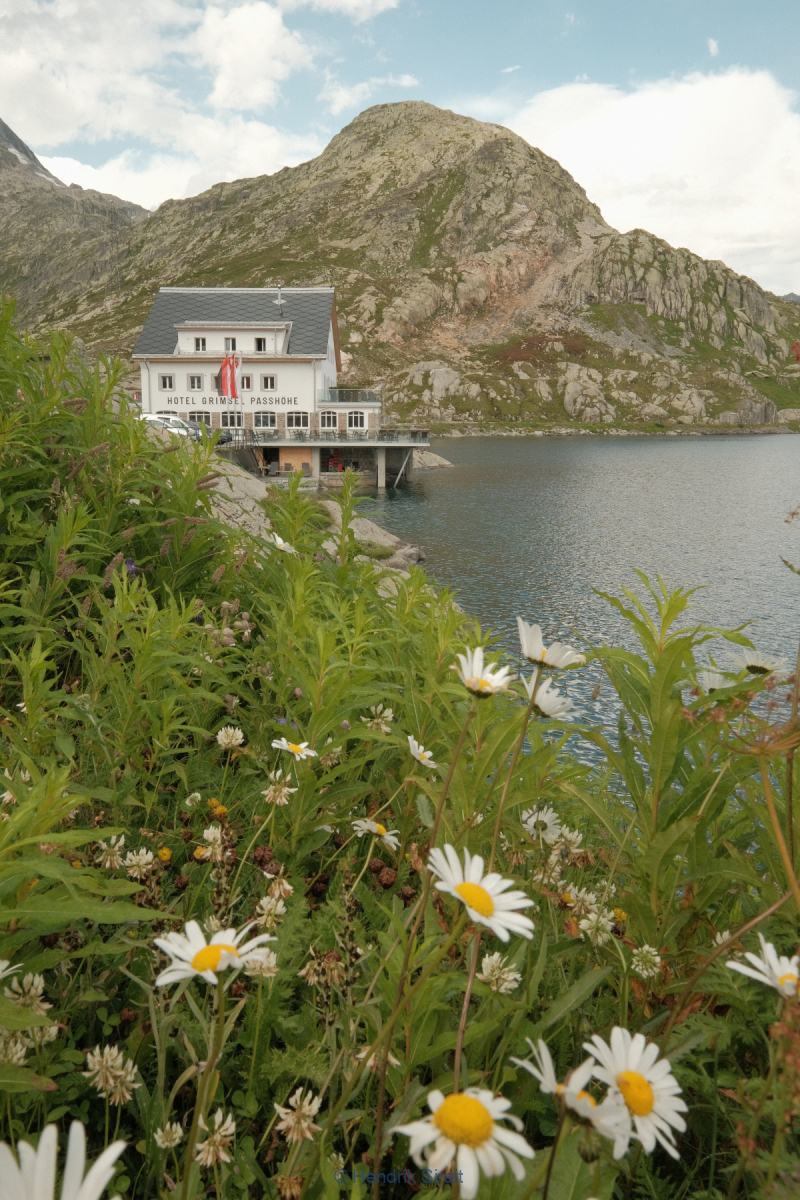
Totensee (Lake of the Dead) sits right at the highest point of the mountain pass. It earned its eerie name during the Napoleonic Wars in 1799, when the French and Austrian armies fought a brutal battle in the freezing mountain fog, and the bodies of fallen soldiers were laid to rest in the lake. Today, it features a quiet hotel and parking lot, offering a scenic spot to walk along the water.
Underground Power: The Hydroelectric Kingdom
Deep inside the granite rock beneath your feet lies one of the most complex engineering networks in the world. The Grimsel region is a massive powerhouse for Switzerland, operated by Kraftwerke Oberhasli (KWO).
- The Power Network: A vast system of 13 underground power stations, 8 main reservoirs, and over 160 kilometers of deep subterranean tunnels channel the high-alpine glacial meltwater through massive turbines to generate clean electricity for millions of homes.
- Subterranean Tours: You can book guided architectural tours that take you deep inside the mountain vaults to view the gigantic turbine halls, walk through the hollow interiors of the concrete dams, and even visit a subterranean crystal cavern uncovered by miners during tunnel blasting.
Crucial Travel Logistics
- Strict Winter Closures: Because of massive snowfall and avalanche risks, the Grimsel Pass road is completely closed to all vehicle traffic from roughly mid-October to early June. The exact opening date depends entirely on how long it takes mountain snowplow crews to cut through the multi-meter-deep snowdrifts in late spring.
- The “Big Three” Pass Loop: For an unforgettable full-day driving itinerary, you can easily combine Grimsel with its neighboring passes. From Solothurn, drive south over the Grimsel Pass, drop down into Valais, turn immediately east to climb up the Furka Pass (famous from the James Bond Goldfinger car chase), cross into Uri, and return north via the Susten Pass. This creates an epic, loop-driving route through the roof of Central Switzerland.
Would you like to explore the pass by driving the legendary three-pass loop, or are you planning to visit specifically to brave a ride up the ultra-steep open-air funicular railway?