Sonogno

Unlike the other destinations we discussed, Sonogno is not a big city—it is a tiny, hidden mountain village of fewer than 100 residents located in the Canton of Ticino, the Italian-speaking region of Switzerland. It sits at the very end of the paved road in the wild and pristine Verzasca Valley (Valle Verzasca).
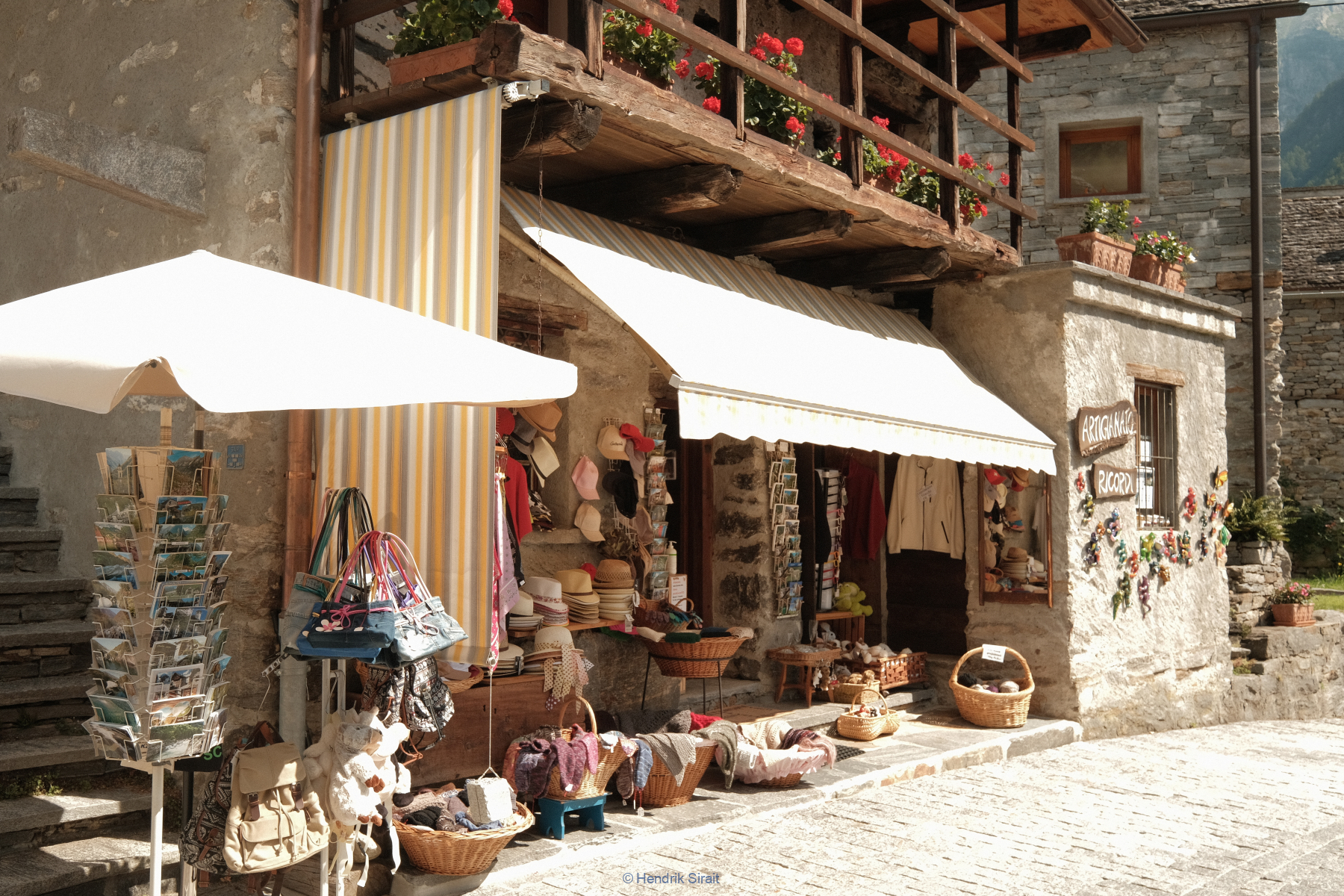
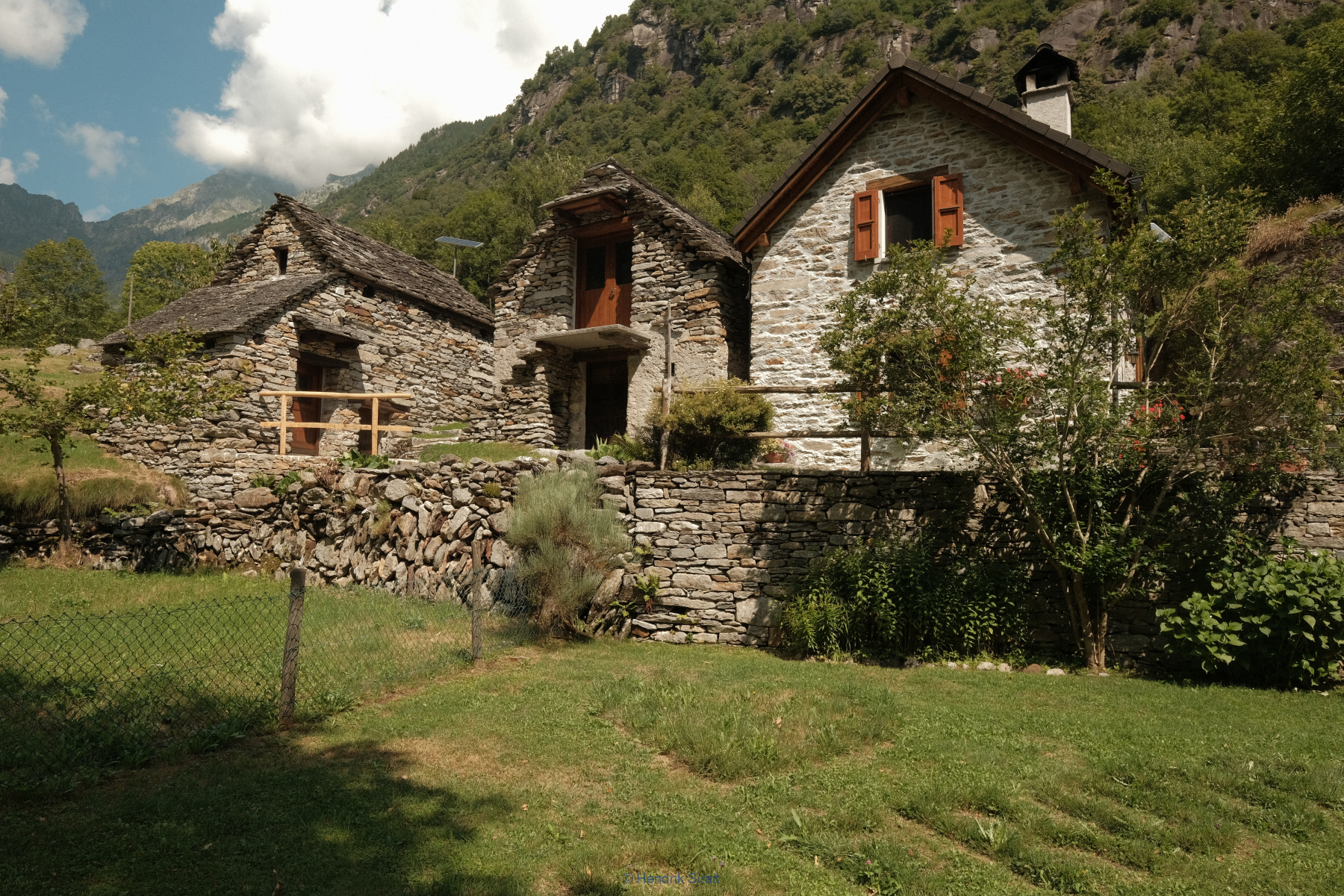
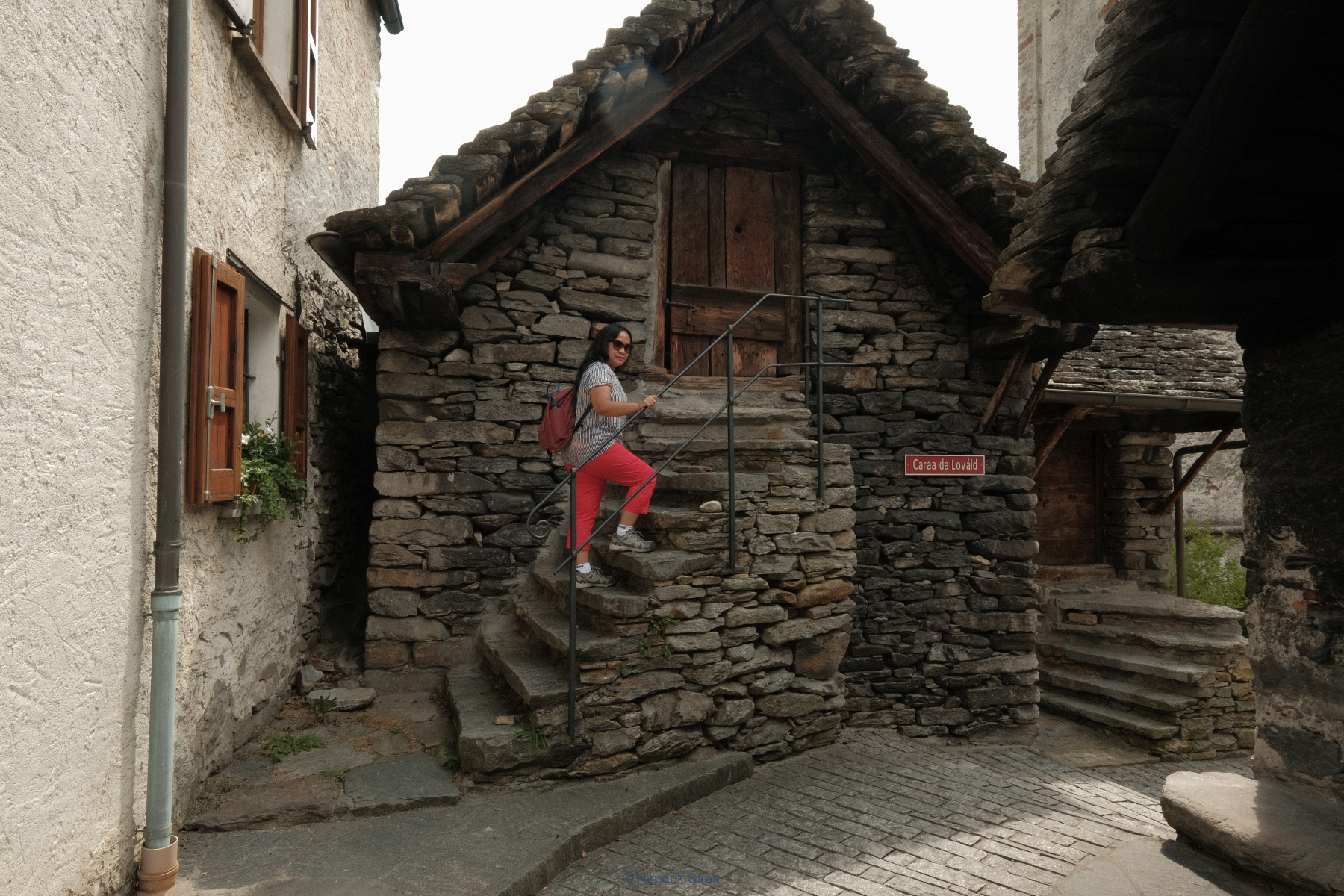
Wandering through Sonogno feels like walking through an open-air museum. The village is famous for its strict preservation of Rustici—traditional Swiss-Italian alpine cottages built entirely out of dark, local granite stones, topped with heavy stone-slab roofs and decorated with bright, flower-filled wooden balconies.
Best Time to Visit
Because Sonogno sits in a deep alpine valley, the seasons drastically change the experience.
- Summer (June to August): This is the peak season. The valley is lush, green, and hot enough to enjoy the emerald-green swimming holes of the Verzasca River. However, because it is the only road in and out of the valley, traffic can become incredibly congested.
- Autumn (September to October): The absolute sweet spot. The dense chestnut forests covering the mountain slopes turn into vibrant shades of orange and gold. The summer crowds thin out, and the air is perfectly crisp for hiking.
- Winter Note: The village gets very quiet, and parts of the valley see little to no sunlight for weeks due to the high mountain peaks. Many local businesses close from November to April.
Top Places to Visit & Things to Do
Sonogno is small enough to walk across in about ten minutes, but it packs incredible cultural and natural sights.
Sonogno Historic Village Center is entirely pedestrian-only. All visitors must park their cars in a designated lot at the village entrance, leaving the narrow, cobblestone alleyways perfectly quiet and timeless.
- The Old Bread Oven: In the middle of the village square, you will find a communal stone bread oven from the Middle Ages that is still fired up and used by the locals today during village festivals.
- Casa della Lana (House of Wool): A historic building where local artisans gather to comb, spin, and dye raw sheep’s wool using traditional natural dyes made from roots and plants. You can watch them work and buy handmade sweaters and scarves.
Cascata della Froda (Froda Waterfall) is a spectacular natural landmark hidden just behind the village.
- The Walk: A very easy, flat, and family-friendly 25-minute walk from the village center takes you along a rushing stream through open meadows.
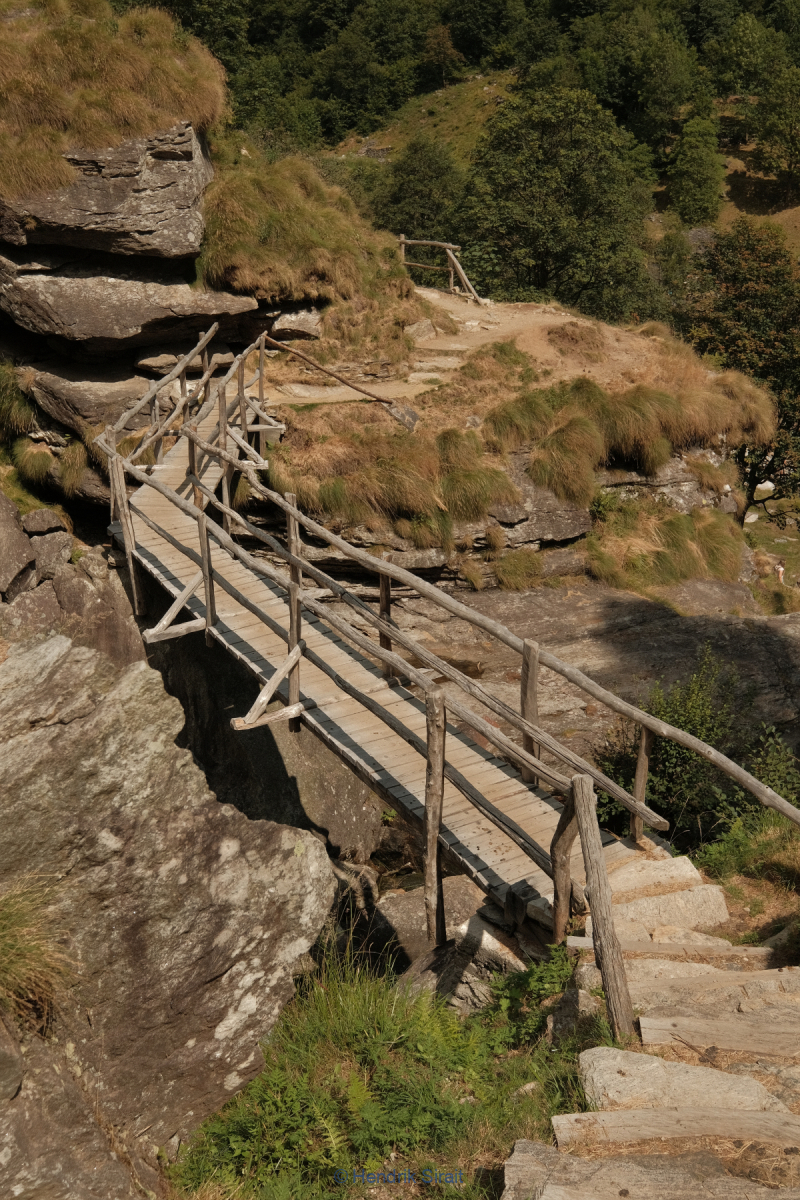
- The Bridge: At the base of the waterfall, a wooden pedestrian bridge crosses right in front of the roaring cascade, allowing you to feel the cool, refreshing mountain mist on your face.
The Verzasca River runs all the way down the valley. While the most famous photo spot is the double-arched stone bridge (Ponte dei Salti further down the valley in Lavertezzo, the river banks surrounding Sonogno are lined with massive, smoothly polished white granite boulders and natural rock pools filled with crystal-clear, striking emerald-green water.
The Culinary Experience: Grotti Culture
You won’t find fine-dining luxury restaurants here. Instead, Ticino is famous for its Grotti (singular: Grotto). These are rustic, traditional stone taverns—originally built as cool, cave-like cellars to preserve milk and meat—that have been turned into open-air eateries with stone tables shaded by old chestnut trees.
- What to Order: Grotti serve hearty, soulful, local alpine food. You must try Polenta (slow-cooked cornmeal) made over an open wood fire, served with rich mountain cheeses, local salametti (cured sausages), or a rich beef stew (Brasato).
- The Local Drink: Order a Merlot del Ticino (the region’s signature smooth red wine), which is traditionally served out of a small, colorful ceramic bowl called a Boccalino rather than a glass.
- Where to Go: Look for Grotto Redorta right in the village center, or Grotto Efra located along the path toward the waterfall.
What to Prepare & Know Before You Go
- Navigating the Public Transit: Because parking at the end of the valley is highly limited, the smartest way to visit is by taking the train to Locarno, and then hopping onto the PostBus (Line 321). The yellow bus snakes its way all the way up the dramatic valley, stopping at the stone bridge in Lavertezzo before terminating right at the entrance of Sonogno.
- The Parking Card: If you choose to drive, you must buy a Verzasca Parking Card (Verzasca Parkcard). You can purchase it at machines along the road or via mobile apps. It allows you to park in the designated lots throughout the valley; regular city parking tickets do not apply here.
- Water Safety Warning: The Verzasca River is world-famous for its beauty, but its currents are deceptively powerful and the water is icy cold even in mid-summer. Always look for safety signs before dipping your toes in, and never jump into the water blindly.
- Cultural History Insight: If you visit the local Museo di Val Verzasca in the center of the village, you will learn about a tragic piece of local history. In the 19th century, this valley was so desperately poor that families were forced to sell their young boys to Italy to work as chimney sweeps (a history popularized by the famous Swiss novel “The Black Brothers”).






Regards,
Hendrik