Japan Travel Guide: Where to Stay, See & Eat in Osaka, Kyoto, Nagoya & Tokyo
Japan is a country that rewards attention. Step off the train and it reveals itself slowly — in the steam rising from a bowl of ramen, the hush of a shrine at first light, the electric wash of neon on a rain-slicked street. For a photographer, videographer or vlogger it’s a place where every hour carries its own light and every corner quietly asks to be framed.
This trip took me through four cities that each tell a different story. Osaka feeds you and never stops talking. Kyoto slows you down and makes you look closer. Nagoya is the quiet one — generous, unhurried, easy to love. And Tokyo is all of it at once: endless, electric, impossible to finish.
What follows is everything I picked up along the way, gathered into one place so you can spend less time planning and more time actually being there. Where to stay, what to see, where to eat, how to get around, and what to know before you go — this is how I’d plan the trip if I were doing it again tomorrow.
Here is i put some information to accommodate your needed if you have any plan to visit Osaka, Kyoto, Nagoya and Tokyo
Japan · Travel Planning
Where to Stay in Japan
A photographer’s complete guide to Osaka, Kyoto, Nagoya and Tokyo — where to sleep, what to see, where to eat, how to get around, and everything to pack and know before you go. Approximate 2026 prices throughout.
I spent this trip chasing light across four very different Japanese cities, and where you sleep changes everything — how early you catch the golden hour, how far you drag your gear, how much you have left for the next konbini coffee. So before I share the photos, here’s the practical part: where to base yourself in each city, who each area suits, and what a bed actually costs in 2026.
All prices are per night for a private double unless I say otherwise, quoted in Japanese yen with a rough US-dollar figure at about ¥150 to the dollar. Treat them as guide rails — rates swing hard around cherry blossom season, autumn foliage and long weekends, so book early. In this guide 1 · Where to stay2 · What to see3 · Eat & drink4 · Transport5 · What to pack6 · Etiquette
Where to stay
Base yourself well and everything else gets easier. Here’s the best neighbourhood in each city for your budget and style, with approximately 2026 nightly prices from dorm beds to design hotels.
Osaka
The friendliest, hungriest city in Japan — and where the hotel maths works in your favour. Rooms here run 20–30% cheaper than Tokyo for the same quality.
Where to base yourself
Minami — Namba / Dotonbori first-timers
Walk out the door into neon, street food and non-stop energy. Central, lively, a little loud at night.
Kita — Umeda transport
The main station hub, great restaurants and shopping. Slightly pricier and busier with commuters.
Honmachi / Higobashi value
Quiet business districts one stop off the action. Same Midosuji line, rooms 10–20% cheaper, weekend deals.
Tennoji calm
Just south of Namba, calmer and greener with parks and Abeno Harukas. Good value for families.
What a bed costs
Capsule & hostel ¥2,500–6,000 ~$17–40
Modern pods with charging and privacy curtains: First Cabin, Nine Hours, Capsule Hotel CUBE. Dorm beds and social hostels sit at the top of this band.
Budget hotel ¥6,000–10,000 ~$40–67
Reliable business chains near the action: Sotetsu Grand Fresa Namba, APA Namba-Shinsaibashi. In Honmachi/Higobashi, 4-star rooms occasionally dip under $40 on weekends.
Mid-range ¥12,000–22,000 ~$80–147
Bigger, smarter rooms: Zentis Osaka is my pick in Umeda — boutique feel, riverside, without the luxury price.
Splurge ¥40,000+ ~$270+
The five-star tier, led by The St. Regis Osaka on the elegant Honmachi stretch of Midosuji.
◆
Photographer’s note
Base in Minami and Dotonbori’s reflections are a five-minute walk at blue hour — but the crowds only thin after midnight. If you want clean frames, a Honmachi room gets you there fast at dawn and saves you enough yen for the Hankyu day-trip to Kyoto (about ¥410 each way).
Kyoto
The old imperial capital rewards you for picking the right neighbourhood — this is a city you walk and feel, not one you subway through. Beds run 20–40% above Osaka, so book ahead.
Where to base yourself
Kyoto Station day trips
Highest cluster of budget hotels, instant Shinkansen access to Osaka, Nara and Tokyo. Practical over pretty.
Karasuma / Shijo central
The downtown business spine — a short walk to Nishiki Market, with weekday business-hotel discounts.
Kawaramachi atmosphere
Riverside walks, izakaya alleys and late-night ramen. A touch pricier but the most alive at night.
Higashiyama / Gion traditional
The postcard Kyoto — lantern-lit lanes, ryokan, temples on your doorstep. Best for the classic image.
What a bed costs
Hostel & capsule ¥3,500–5,250 ~$23–35
Many housed in restored machiya townhouses: Piece Hostel Sanjo (dorms from ~¥3,800), Len Kyoto Kawaramachi, and pod stays like 9hours Kyoto.
Budget hotel ¥7,500–10,500 ~$50–70
Dependable business hotels near the station or Kawaramachi: Sotetsu Fresa Inn, APA, First Cabin. A basic private double starts around ¥9,000.
Mid-range & ryokan ¥12,600–25,000 ~$84–167
The sweet spot: Almont Hotel Kyoto or Hotel Vista Premio Kawaramachi (¥10,000–15,000); step up to Mitsui Garden Shinmachi Bettei for a rooftop bath.
Splurge ¥28,000+ ~$187+
Machiya-inspired luxury at Hotel Kanra Kyoto (cedar tubs, central), or a true ryokan experience with kaiseki dinner at the top end.
◆
Photographer’s note
Fushimi Inari and the Higashiyama lanes are empty and gorgeous before 7am — a Higashiyama or Kawaramachi base lets you shoot them before the tour buses land. One trap: machiya and Airbnb-style stays often add a ¥3,000–6,000 cleaning fee, which can erase the saving on a one- or two-night stay. Always check the total per night.
Nagoya
The most underrated stop of the four — calmer, noticeably cheaper, and so well connected it makes a superb base for Ghibli Park and the Kiso valley ryokan.
Where to base yourself
Nagoya Station — Meieki best base
Shinkansen, subway and airport links in one place. Direct to Ghibli Park in under an hour. My default pick.
Sakae / Nishiki central
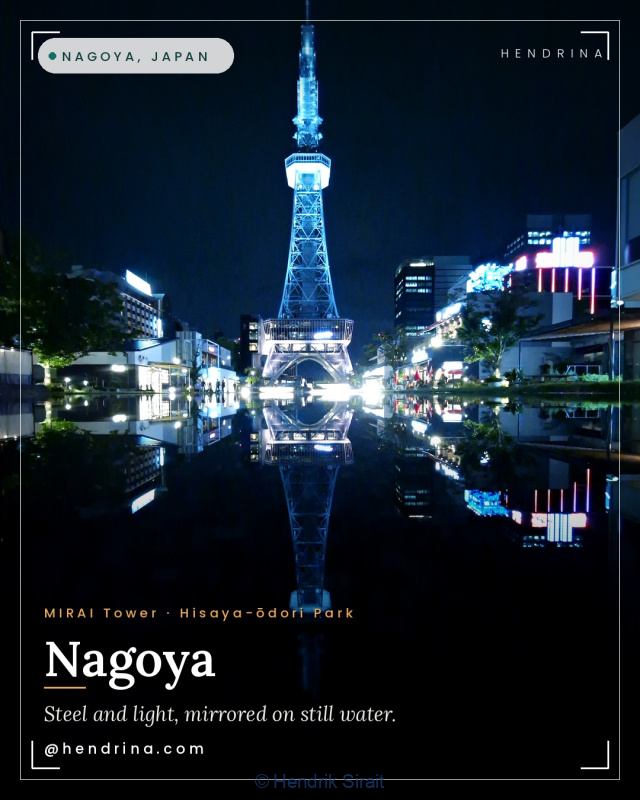
The dining-and-nightlife heart, near Mirai Tower and Hisaya Odori Park. Everything walkable.
Fushimi quiet-central
Between the station and Sakae — calmer streets, still a short subway hop to both. Good balance.
Kanayama transit & value
A secondary hub with easy airport access and some of the cheapest reliable rooms in the city.
What a bed costs
Capsule & hostel ¥3,000–5,500 ~$20–37
Clean and simple: Nine Hours Nagoya Station for pods, Glocal Nagoya Backpackers Hostel for a social base. Rooms from as little as ~$22 turn up here.
Budget hotel ¥6,000–9,500 ~$40–63
3-star business hotels average ~$89: Hotel Mystays Nagoya Nishiki, Meitetsu Inn, Hotel Livemax Sakae. Nakamura and Naka wards are the most affordable.
Mid-range ¥14,000–24,000 ~$93–160
Comfortable and central: Richmond Hotel, Hilton Nagoya, or the very convenient Nagoya JR Gate Tower Hotel right above the station.
Splurge / ryokan trip ¥16,000–42,000pp ~$107–280
In-city luxury at Nagoya Marriott Associa, or ride 30 min to an Inuyama riverside ryokan (¥16,000–32,000pp with meals) for the onsen night.
◆
Photographer’s note
Nagoya rewards a slower shooting pace — Nagoya Castle at first light and the Osu shopping arcades for street work. A station-side room means you can do a half-day trip to Inuyama Castle, where the power lines are buried underground and the town has an almost European clean-line look that photographs beautifully.
Tokyo
In Tokyo the neighbourhood matters more than the hotel. Twenty-three wards, 150-plus train lines — where you sleep decides which Tokyo you experience each morning.
Where to base yourself
Shinjuku first-timers
The safest all-round bet: mega transit hub, endless shopping, food and nightlife. Busy, and that’s the point.
Asakusa old-town & value
Senso-ji, traditional streets and the best budget-to-atmosphere ratio in the city. My favourite for a base.
Shibuya youth & style
The scramble crossing, fashion and a sleek, redeveloped centre. Great for trend-seekers and couples.
Ginza / Tokyo Station polish & transit
Glamour, calm evenings and the Shinkansen hub for day trips to Hakone, Kamakura or Nikko.
What a bed costs
Hostel & capsule ¥3,000–5,000 ~$20–33
Best value in Asakusa & Ueno: Khaosan Tokyo Origami (dorms ~¥3,000), Bunka Hostel Tokyo (dorm ~$40, private family rooms too).
Budget hotel ¥7,000–14,000 ~$47–93
Clean, efficient business hotels: APA and Richmond Hotel Asakusa; Ueno and Asakusa run cheaper than Shinjuku or Shibuya at the same quality tier.
Mid-range ¥15,000–25,000 ~$100–167
Character without ryokan prices: Onyado Nono Asakusa (onsen baths onsite), or design-led stays like Muji Hotel Ginza.
Splurge ¥40,000–100,000+ ~$270–670+
Rooftop views of Senso-ji and Skytree from The Gate Hotel Kaminarimon, up to the Roppongi and Nihonbashi five-star towers.
◆
Photographer’s note
From Narita, the N’EX runs direct to Shinjuku in about 80–90 min (~¥3,070); the Keisei Access Express into Asakusa is cheaper at ~¥1,320. I base in Asakusa for the temple at dawn and Skytree at blue hour, then ride out to Shibuya when I want the neon and crowds. Moving hotels mid-trip is rarely worth the logistics — pick one base and let the trains do the work.
Booking & money-saving tips
- Book 3–4 weeks out. Flash sales on the big platforms regularly beat official rates by 15–20%, especially in Tokyo.
- Sleep in Osaka, day-trip to Kyoto. Osaka beds run 20–40% below Kyoto’s, and the Hankyu train between them is only ~¥410 each way. During blossom and foliage season that gap doubles.
- Chase the weekend business-hotel discount. In districts like Honmachi (Osaka) and Karasuma (Kyoto), rates drop when the salarymen go home Friday.
- Capsule hotels are genuinely good now. Modern pods have charging, privacy curtains, lounges and sauna access — often for ¥2,500–5,000. Note many separate floors by gender.
- Watch machiya cleaning fees. Airbnb-style townhouse stays often add ¥3,000–6,000 in fees, plus late check-in surcharges. Always compare the real total per night.
- Peak seasons cost more everywhere. Late-March/April blossoms, November foliage, summer holidays and New Year all push prices up — plan those dates first.
What to see & do
The headline sights in each city, with 2026 admission fees. Shrines are almost always free; Buddhist temples usually charge ¥400–600. Fees are approximate and change — check official sites before you go, and book timed-entry spots (teamLab, Ghibli Park, Shibuya Sky) days ahead.
Osaka
Loud, fun and best experienced on foot and by night.
Dotonbori : The neon canal — the classic Osaka photo. Wander free, day or night. Free
Osaka Castle : Reconstructed keep with a museum and park; cherry blossoms in spring. ~¥600
Osaka Aquarium Kaiyukan : Whale sharks in a giant central tank; dynamic pricing by date. ¥2,700–3,500
Umeda Sky Building : Floating Garden observatory, open late — great for city dusk shots. ¥2,000
Tsutenkaku & Shinsekai : Retro tower and old-Osaka streets in the south. ~¥1,200
Kuromon Ichiba Market : “Osaka’s kitchen” — grazing on fresh seafood and skewers. Free to browse
Kyoto
Temples and lantern-lit lanes — go early, before the crowds.
Fushimi Inari Taisha : Ten thousand vermilion torii up the mountain. Open 24h — shoot before 7am. Free
Kinkaku-ji (Golden Pavilion) : Gold-leaf temple mirrored in its pond — the icon of Kyoto. ¥500
Kiyomizu-dera : Hillside temple with a wooden balcony over Higashiyama. ~¥500
Arashiyama Bamboo Grove : The towering bamboo path; pair with Tenryu-ji temple. Free
Gion district : Kyoto’s geisha quarter. Note: private alleys ban photos — ¥10,000 fine. Free to walk
Nishiki Market : “Kyoto’s kitchen” — five covered blocks of food stalls. Free to browse
Nagoya
Calmer sightseeing, plus the gateway to Ghibli Park.
Ghibli Park : Advance reservation only. Standard 3-area day pass; premium covers all five. ¥3,300–7,800
Nagoya Castle : Golden shachihoko ornaments and the restored Honmaru Palace. ~¥500
Atsuta Shrine : One of Japan’s most sacred Shinto shrines, in a forested precinct. Free
Osu Shopping District : Colourful arcades, street food, temple and vintage shops. Free
SCMAGLEV & Railway Park : Bullet trains old and new — fun even if you’re not a train buff. ~¥1,000
Tokyo
Endless — pick a few anchors and let the city fill the gaps.
Senso-ji, Asakusa : Tokyo’s oldest temple with its five-story pagoda and market street. Free
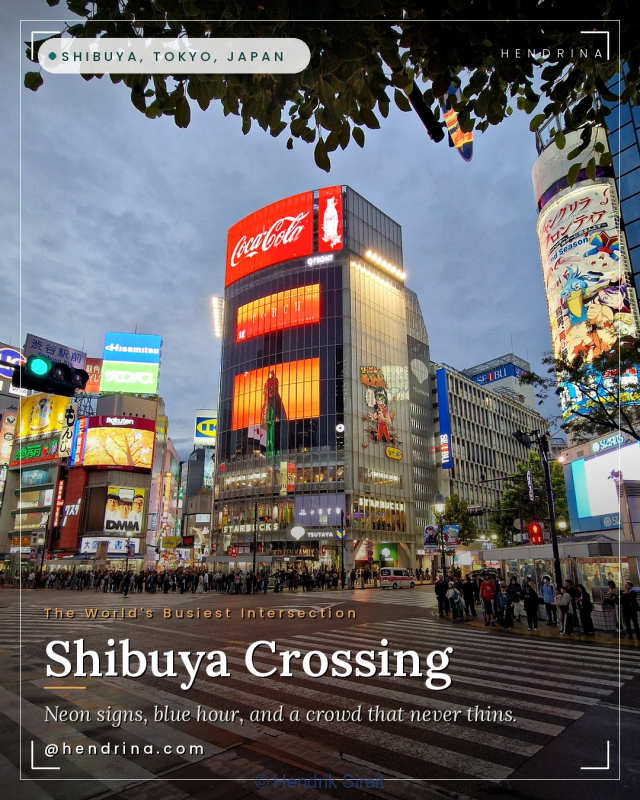
Meiji Shrine & Shibuya Crossing : Forest shrine near Harajuku; the world’s busiest scramble nearby. Free
teamLab Planets : Barefoot immersive digital-art museum. Book a timed slot early. ~¥3,800
Shibuya Sky : Open-air rooftop deck — the best sunset-and-neon view in the city. ~¥3,000
Tokyo Skytree : 350m Tembo Deck (add the 450m galleria for more). Base mall is free. from ~¥2,100
Tsukiji Outer Market : Morning seafood, tamagoyaki and street bites near Ginza. Free to browse
Where to eat & drink
The best news about Japan: eating well is cheap. Chain prices are near-identical nationwide, so a great meal costs the same in a back street as on the main drag. Each city has its own signature dishes worth hunting down.
Osaka — the nation’s kitchen
TakoyakiOkonomiyakiKushikatsu
Osaka lives to eat. Graze along Dotonbori and Kuromon Ichiba Market — street snacks run ¥300–800 an item. One rule at kushikatsu counters: no double-dipping the shared sauce.
Kyoto — refined & traditional
KaisekiYudofu (tofu)Matcha sweets
Kyoto does elegance. Graze Nishiki Market (¥300–800 per bite), have a tofu or vegetarian temple lunch, and if you splurge once on the trip, make it a kaiseki multi-course dinner here.
Nagoya — “Nagoya meshi”
Miso katsuTebasaki wingsHitsumabushi eel
Nagoya’s food is its own genre. Try miso katsu (pork in rich red-miso sauce), tebasaki (peppery chicken wings) and hitsumabushi (grilled eel over rice). The Sakae and Osu districts are the places to eat.
Tokyo — everything, at every price
SushiShoyu ramenYakitori
From Tsukiji Outer Market sushi breakfasts to yakitori under the Yurakucho train tracks. Don’t miss a department-store depachika (basement food hall) — Isetan, Takashimaya — for jaw-dropping takeaway bento and sweets.
Convenience store meal (onigiri + side + drink) ¥400–700
Ramen at a local shop ¥800–1,200
Gyudon beef-bowl chain (Yoshinoya, Sukiya) ¥450–600
Conveyor-belt sushi (per plate / full meal) ¥120–180 / ¥1,000–2,500
Teishoku set lunch ¥1,000–1,500
Izakaya dinner per person ¥2,500–4,500
Nomihodai (all-you-can-drink, 90–120 min) ¥1,500–2,000
Draft beer / highball / cocktail ¥500–1,500
Konbini beer · vending-machine drink · café coffee ¥250 · ¥140 · ¥400
Budget guide: a comfortable day of eating runs ¥3,500–6,000 (budget) to ¥6,000–12,000 (mid-range) per person. Keep cash on you — small ramen shops, izakaya, market stalls and street food are often cash only.
Transport
One card does almost everything. Japan’s IC cards let you tap through every train, subway and bus, and pay at convenience stores, vending machines and lockers. Get one and you’ll rarely think about tickets again.
1. Get an IC card
Suica or Pasmo in Tokyo, ICOCA in the Osaka–Kyoto region. They’re fully interoperable — one card works in all four cities and nationwide, so just get whichever matches where you land.
2. Physical or mobile?
Physical cards cost a ¥500 refundable deposit plus your initial top-up (from station machines). Easiest of all: add Mobile Suica to Apple Wallet (iPhone 8+) or Google Pay before you fly — no deposit, no queue.
3. Top up (“charge”)
At any station machine marked チャージ / Charge with cash (¥500–10,000 at a time), or on mobile straight from your credit card — even mid-ride. Max balance is ¥20,000; keep a few thousand yen on it.
4. Tap and ride
Touch the blue pad at the gate going in, tap again on the way out — the fare is deducted by distance. Short on balance? Use the fare-adjustment machine before the exit gate.
Single city subway / train ride ¥180–310
Typical sightseeing day (Tokyo / Osaka) ¥800–1,500
Kyoto day (more bus-based, fewer transfers) ¥600–900
Osaka ↔ Kyoto (Hankyu / Keihan, cheaper than JR) ~¥410 each way
Narita Airport → Tokyo (N’EX / Keisei Access) ¥1,320–3,070
Between cities: the Tokaido Shinkansen links Osaka, Kyoto, Nagoya and Tokyo. IC cards don’t cover Shinkansen fares — buy those separately (Mobile Suica is adding this from 2026). A nationwide JR Pass only pays off if you’re doing lots of long-distance legs. For routes and live fares, use Google Maps or the Japan Travel by NAVITIME app.
What to pack & prepare
Japan is one of the most convenient countries on earth — you can buy almost anything on arrival. Pack light and mobile; you’ll walk 15,000–20,000 steps a day and take your shoes off often.
▤ Documents
- Passport valid for your stay (no 6-month rule) — carry it; some tickets require it.
- Check your visa early. Indonesian travellers: an e-passport allows visa-waiver registration, but a regular passport needs a tourist visa — confirm current rules with the embassy.
- Keep digital copies of passport, bookings and insurance on your phone.
¥ Money & cards
- Cash is still king in small shops. Arrive with ¥20,000–50,000.
- Withdraw at 7-Eleven / FamilyMart ATMs (they take foreign cards).
- Visa / Mastercard work at hotels, konbini, department stores and chains.
- Bring a coin purse — ¥100 and ¥500 coins add up fast.
☁ Connectivity
- Sort an eSIM or pocket WiFi before you land.
- eSIM is cheapest for one device; pocket WiFi covers a group.
- Set up Mobile Suica and maps apps in advance.
◈ Clothing
- Mix-and-match, breathable layers — indoor AC is aggressive.
- Modest coverage; very short/revealing outfits are uncommon outside nightlife.
- Pack for the season: spring layers (15°C swings), light + rain gear in summer, warm layers in winter.
◐ Shoes & feet
- Comfortable, broken-in walking shoes — this is the #1 packing rule.
- Easy slip-on/off for temples, ryokan and some restaurants.
- Clean, hole-free socks — your shoes come off a lot.
⚡ Tech & extras
- Outlets are Type A, 100V (same as US). EU/UK/AU need an adapter.
- Power bank, pocket tissues, a small hand towel (restrooms often lack paper towels), reusable bag, and a bag for your trash.
- Buy toiletries locally; skip strong perfume. Check medication rules — some painkillers/ADHD meds are restricted; keep originals packaged.
Etiquette
Japan runs on quiet consideration for others. You won’t be expected to get everything right, but a little awareness goes a long way — and keeps you on the right side of a few actual fines.
DO These are welcome
- Slurp your noodles — it signals you’re enjoying the meal.
- Say “itadakimasu” before eating and “gochisosama” after.
- Carry your trash — public bins are rare; sort it at your hotel.
- Keep quiet on trains; phone on silent, no calls.
- Stand on the correct escalator side: left in Tokyo, right in Osaka (follow signs in Kyoto).
- Queue on the platform marks; wear a backpack on your front in crowds.
- Pay by placing cash or card on the tray, not into the hand.
- Remove shoes where required — temples, ryokan, some restaurants.
- At onsen, wash thoroughly first; no swimwear in the water.
DON’T Avoid these
- Don’t tip. It isn’t expected and can cause confusion — a thank-you is enough.
- Don’t stand chopsticks upright in rice or pass food chopstick-to-chopstick — both echo funeral rites. Don’t spear or point with them.
- Don’t eat while walking (fine at festival/market stalls — eat beside the stall).
- Don’t eat on local commuter trains (long-distance Shinkansen is fine).
- Don’t litter or spit; no smoking while walking — use designated zones (fines apply).
- Don’t be loud in residential areas, especially at night.
- Don’t photograph geiko/maiko or people without asking. Gion’s private alleys ban photos — ¥10,000 fine.
- Don’t touch or damage torii gates, artwork or property — arrests do happen.
- Don’t drown sushi in soy — dip the fish side lightly, not the rice.
Now go plan your own light
That’s everything I wish I’d known before landing — where to sleep, what to see, what to eat, how to move, and how to travel Japan like you belong. Next in the series: the exact spots I shot in each city, with the settings and edits behind them.
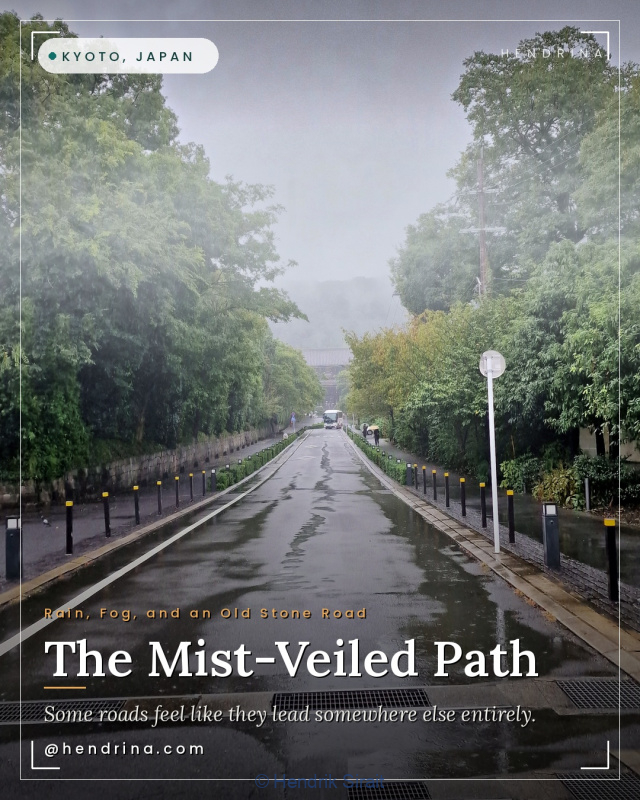
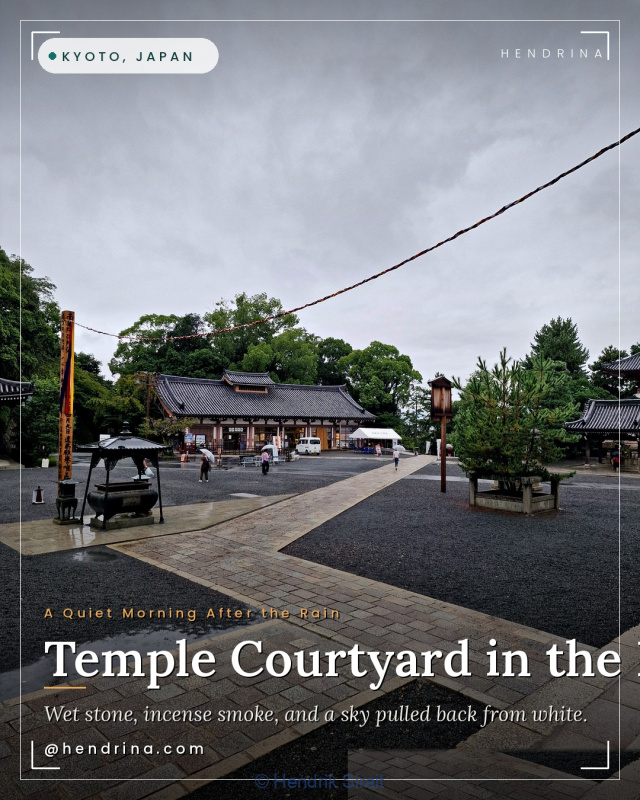
Some photos are attached as my memories during my visiting
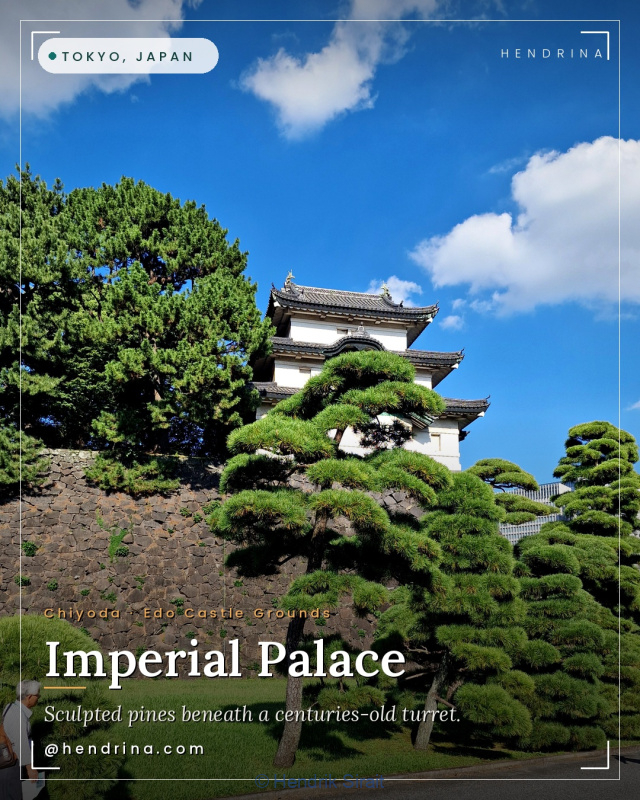
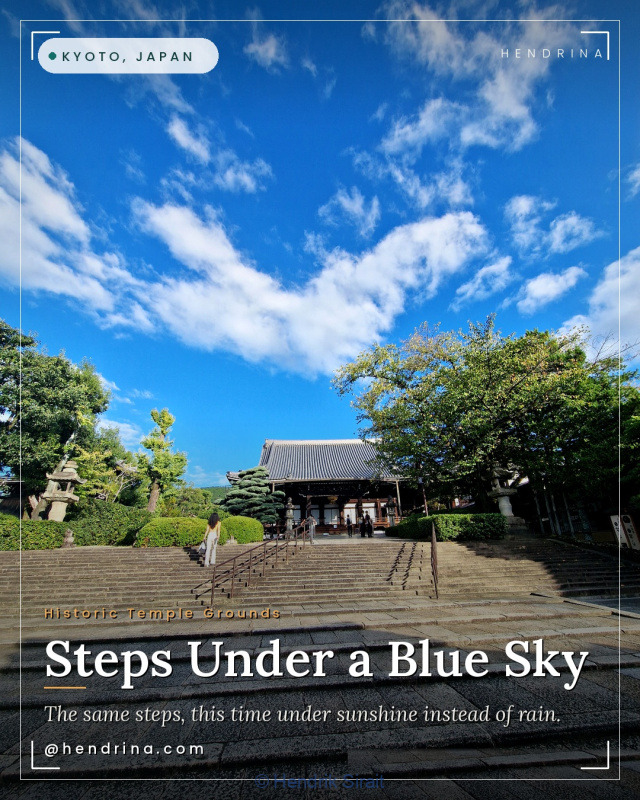
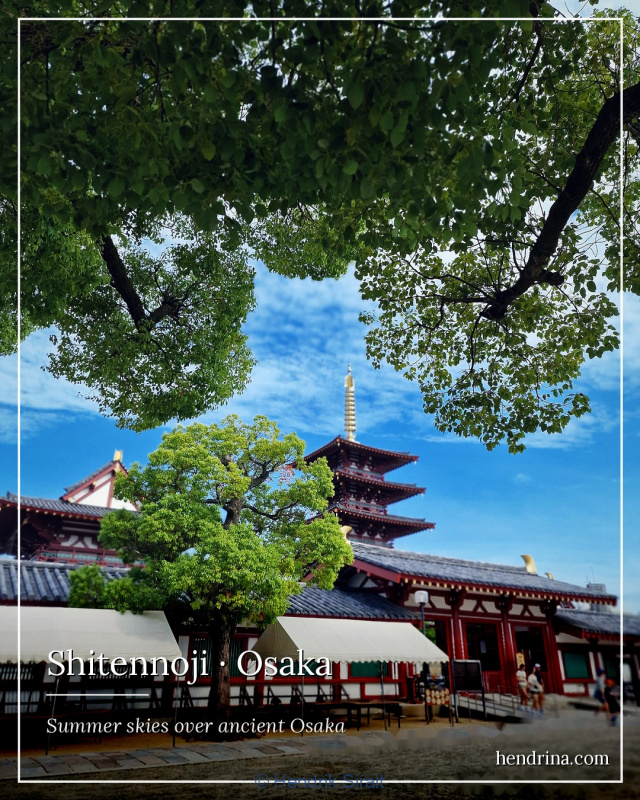
Regards,
Hendrik Sirait