
Storch
The White Stork (Ciconia ciconia) is a truly fascinating bird, both biologically and culturally. Beyond their famous association with Altreu and Selzach, these majestic birds have unique physical traits, highly dedicated family structures, and mind-boggling migratory journeys.
Physical Characteristics: Built for the Wetlands
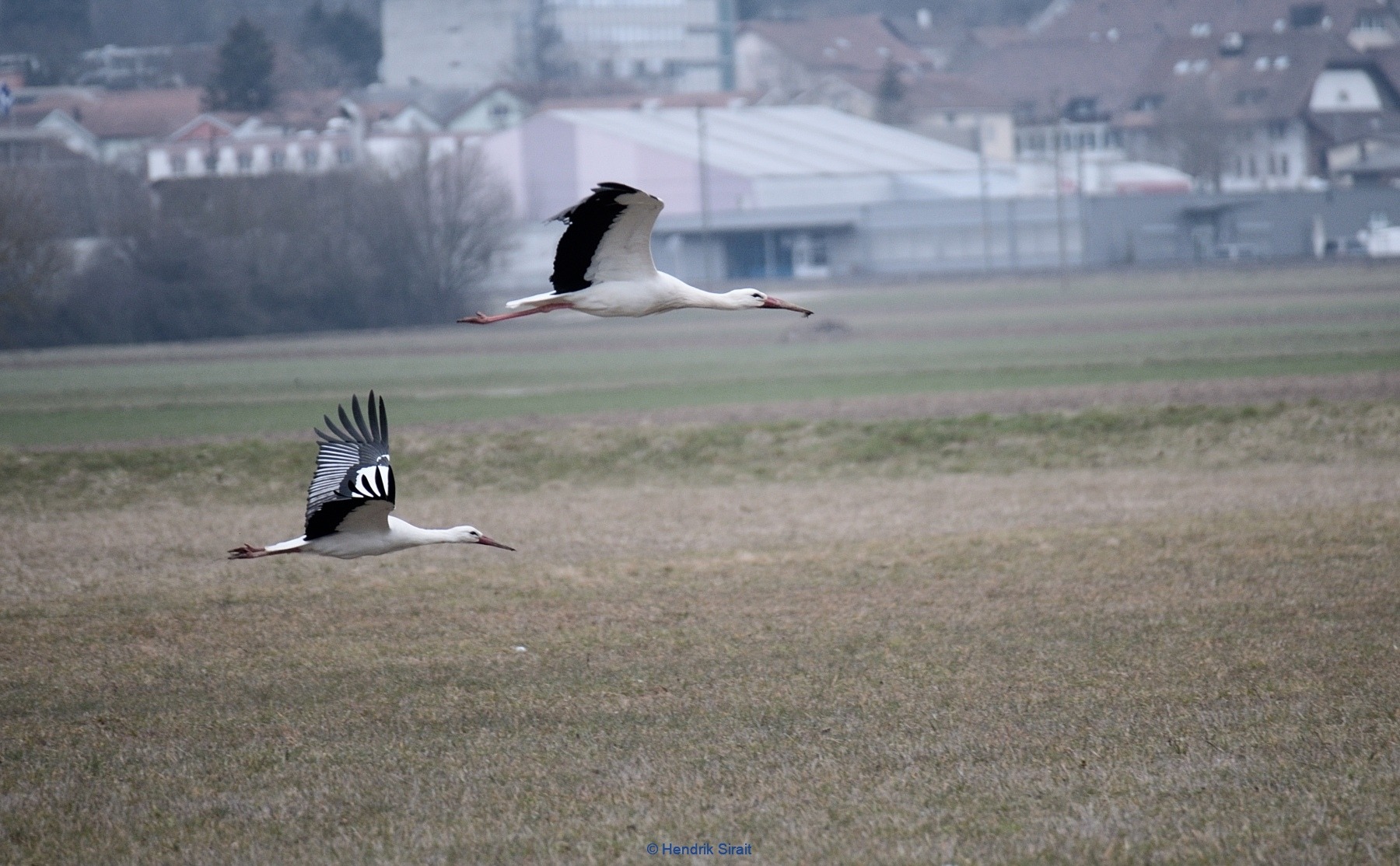
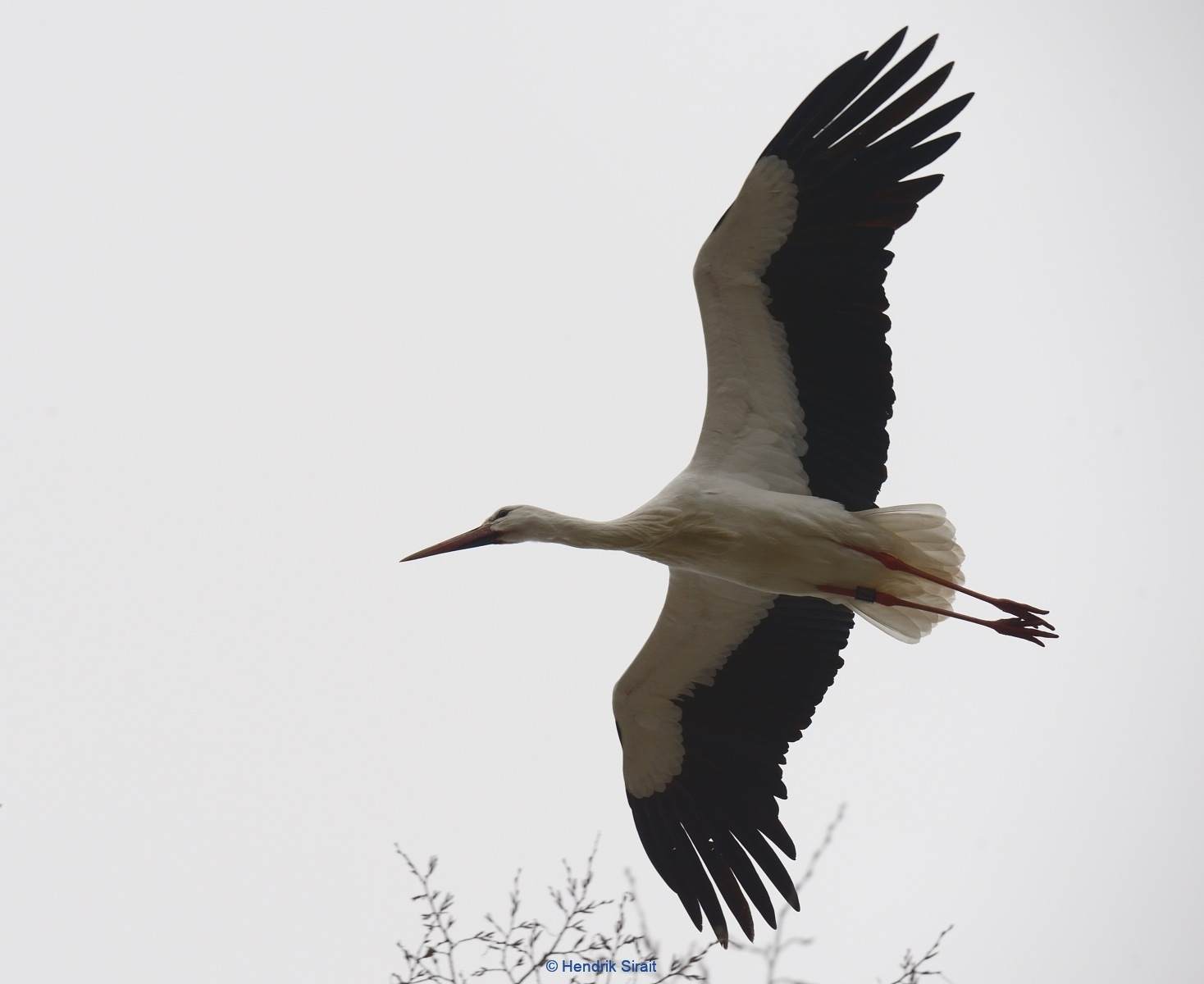
White storks are massive wading birds, beautifully engineered by nature to hunt in open fields and shallow waters.
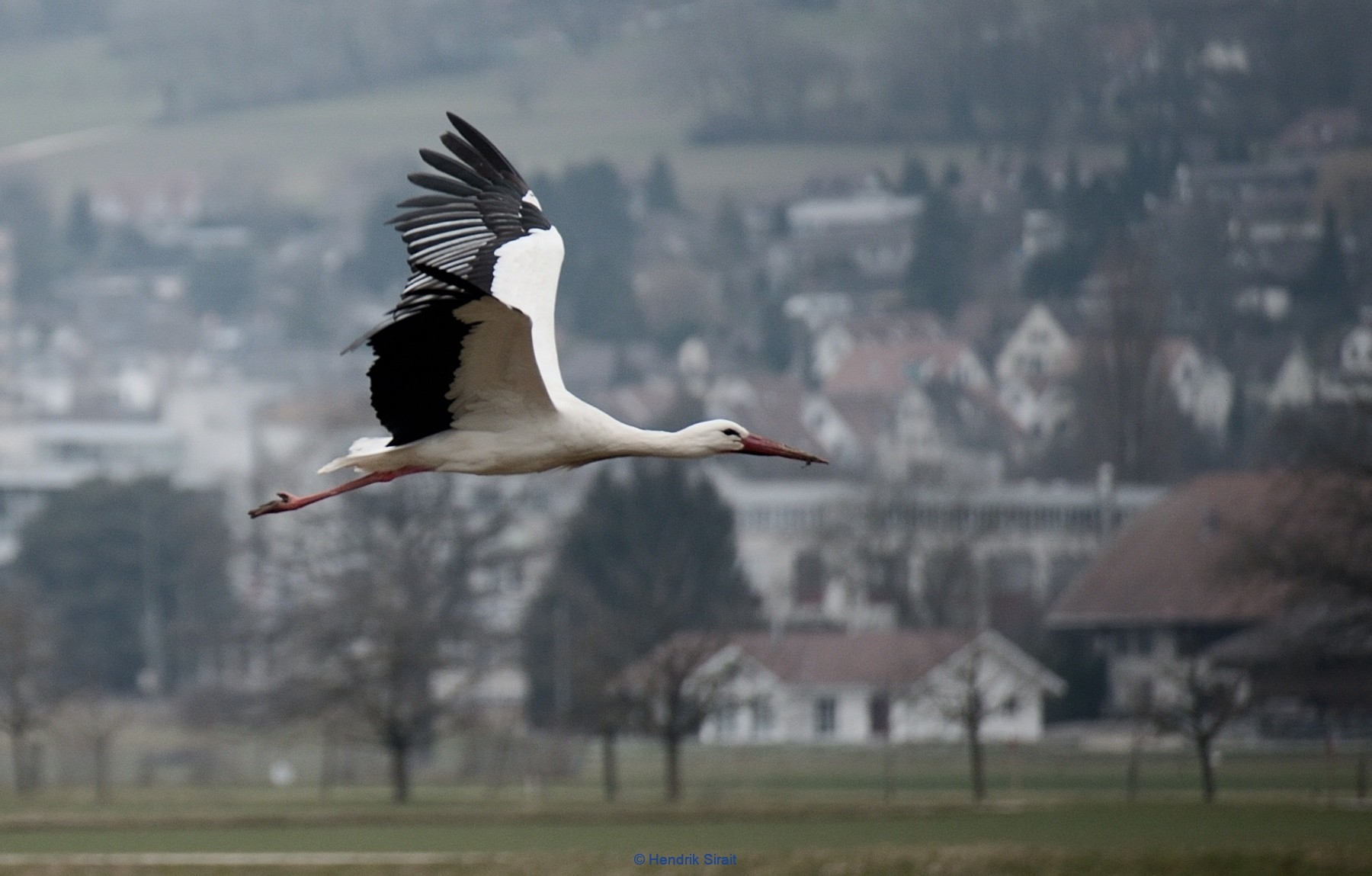
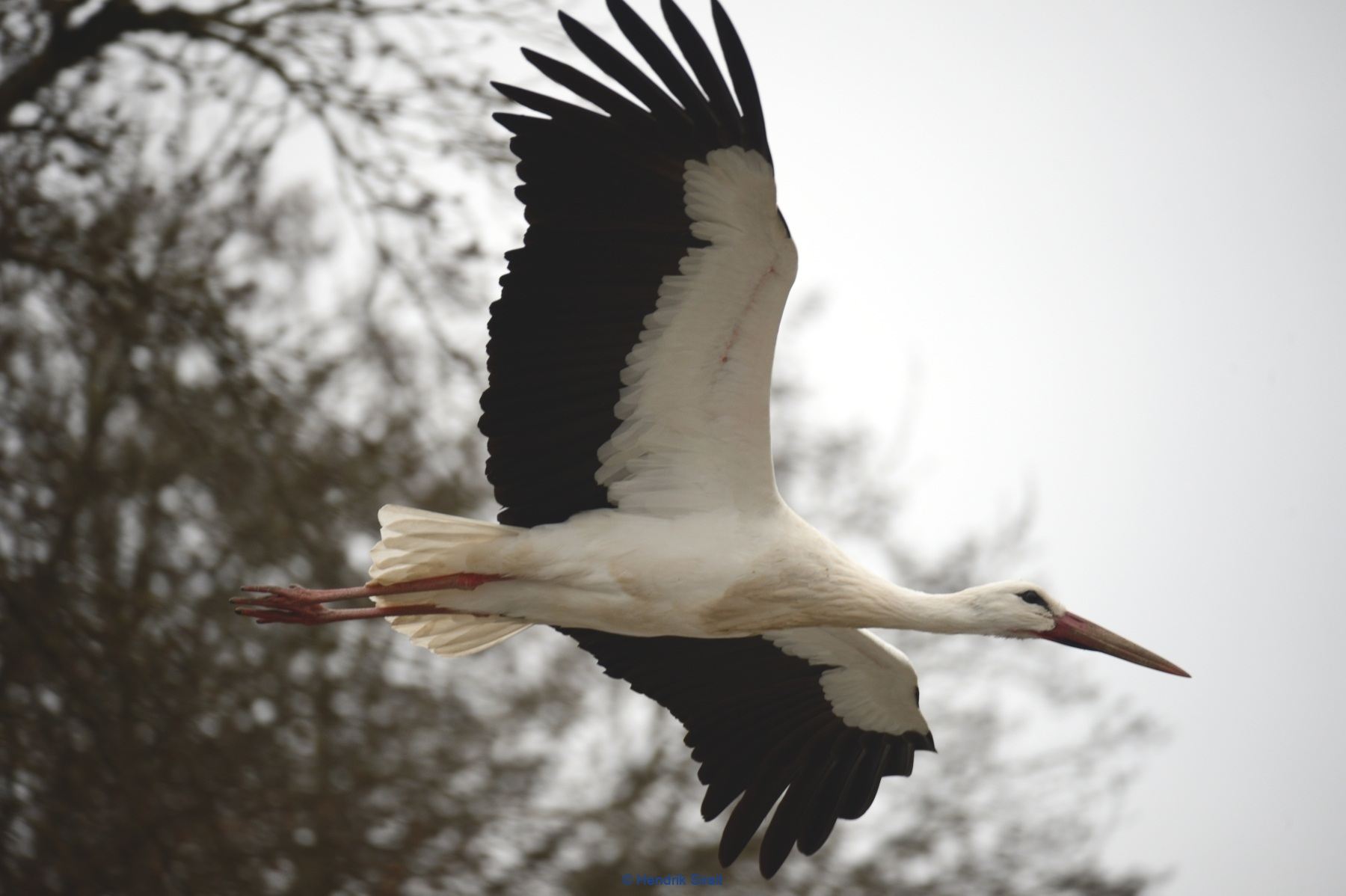
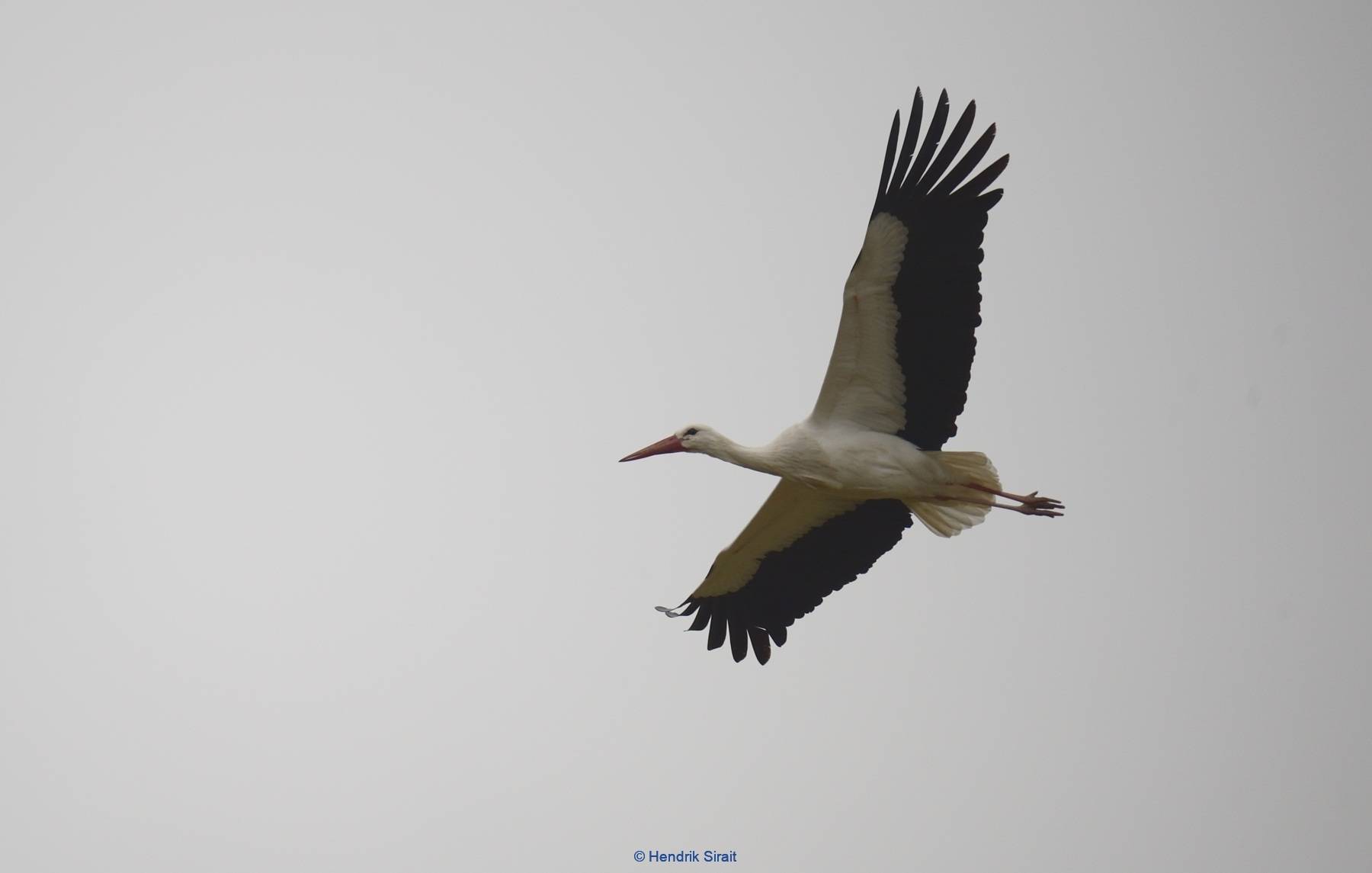
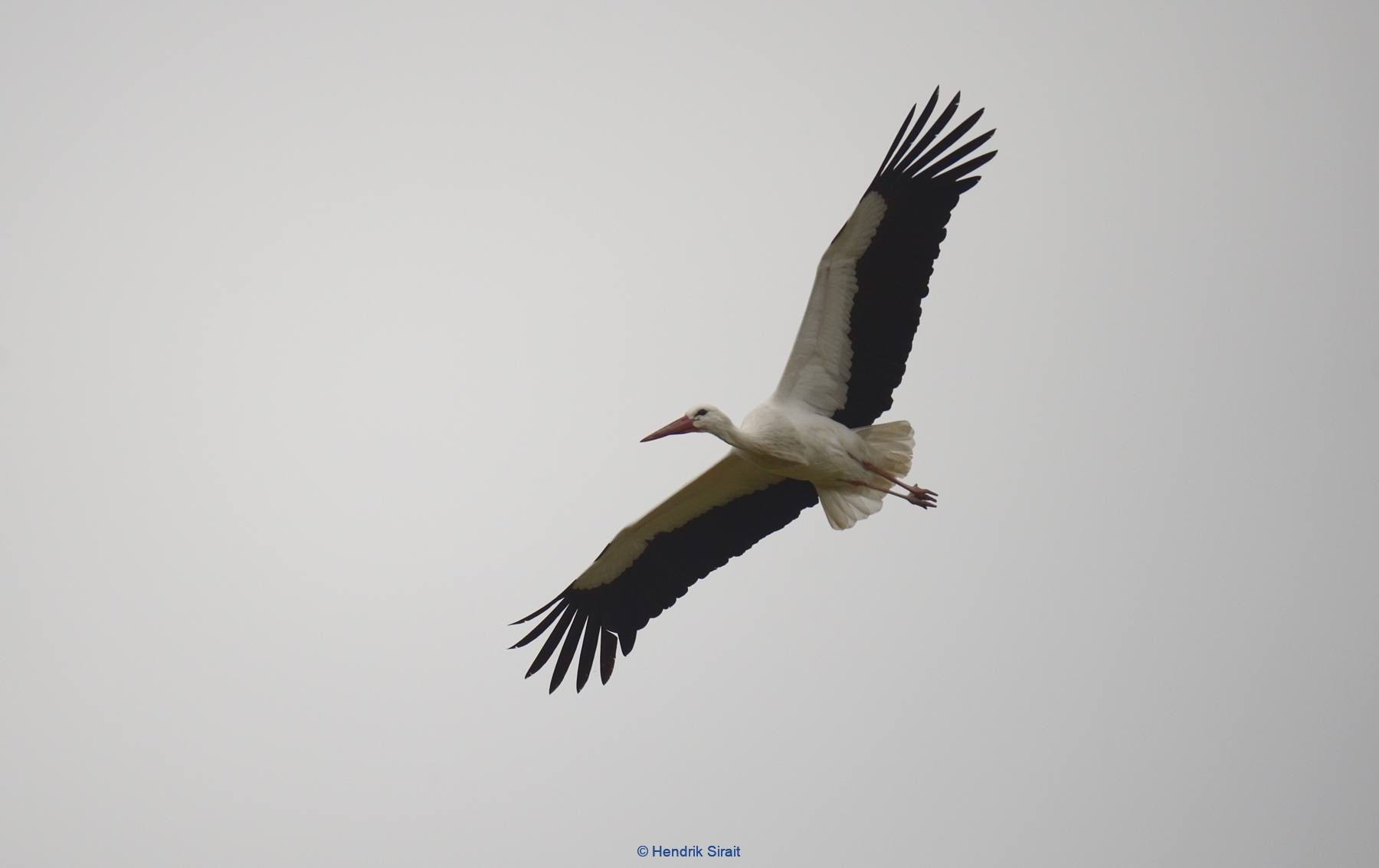
- Size and Wingspan: An adult stork stands roughly 100 to 115 cm tall (over 3 feet) and boasts a magnificent wingspan of 155 to 215 cm (up to 7 feet). Despite their large size, they are remarkably light, weighing only about 2.3 to 4.4 kg, which helps them glide effortlessly on air currents.
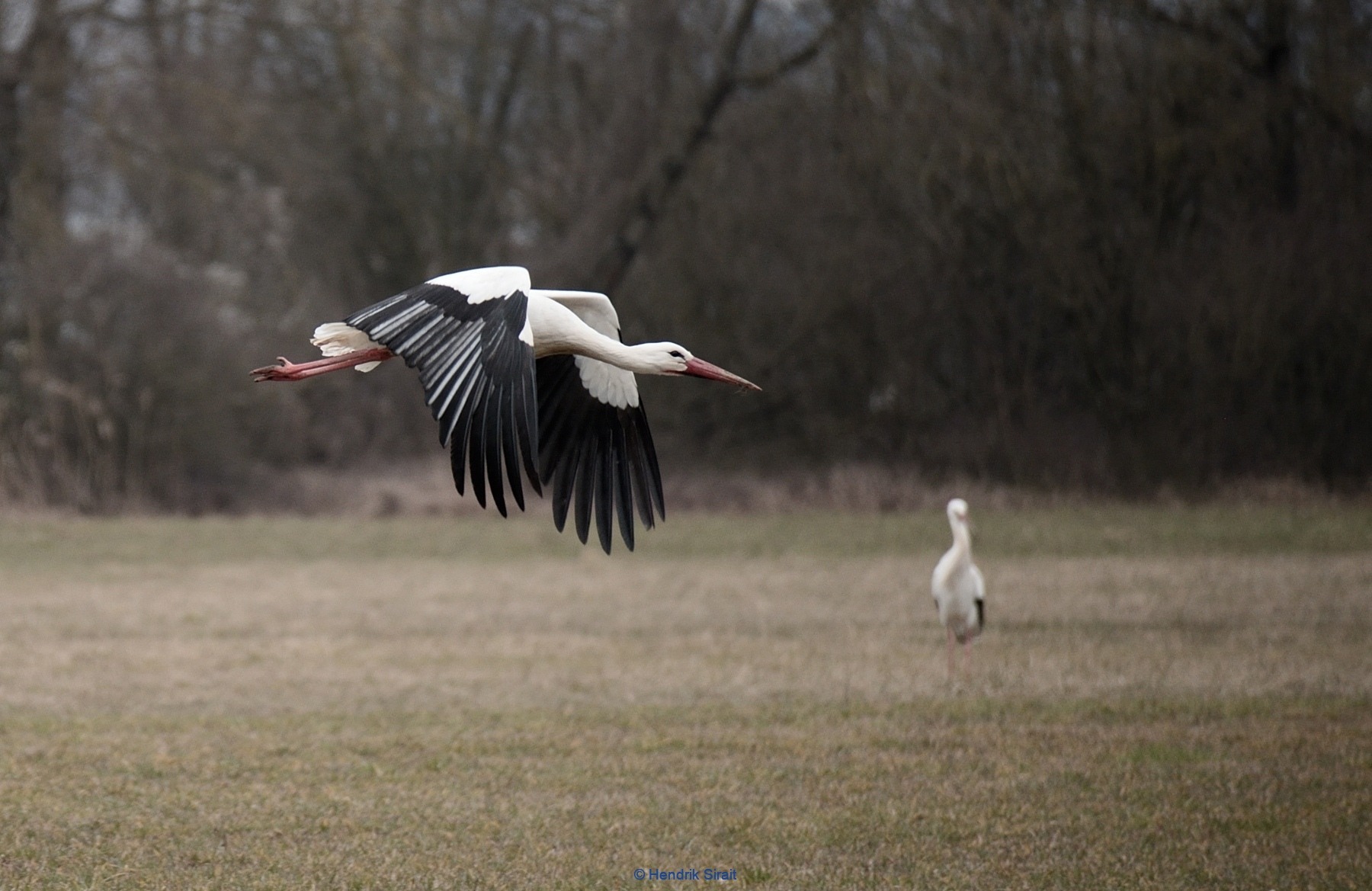
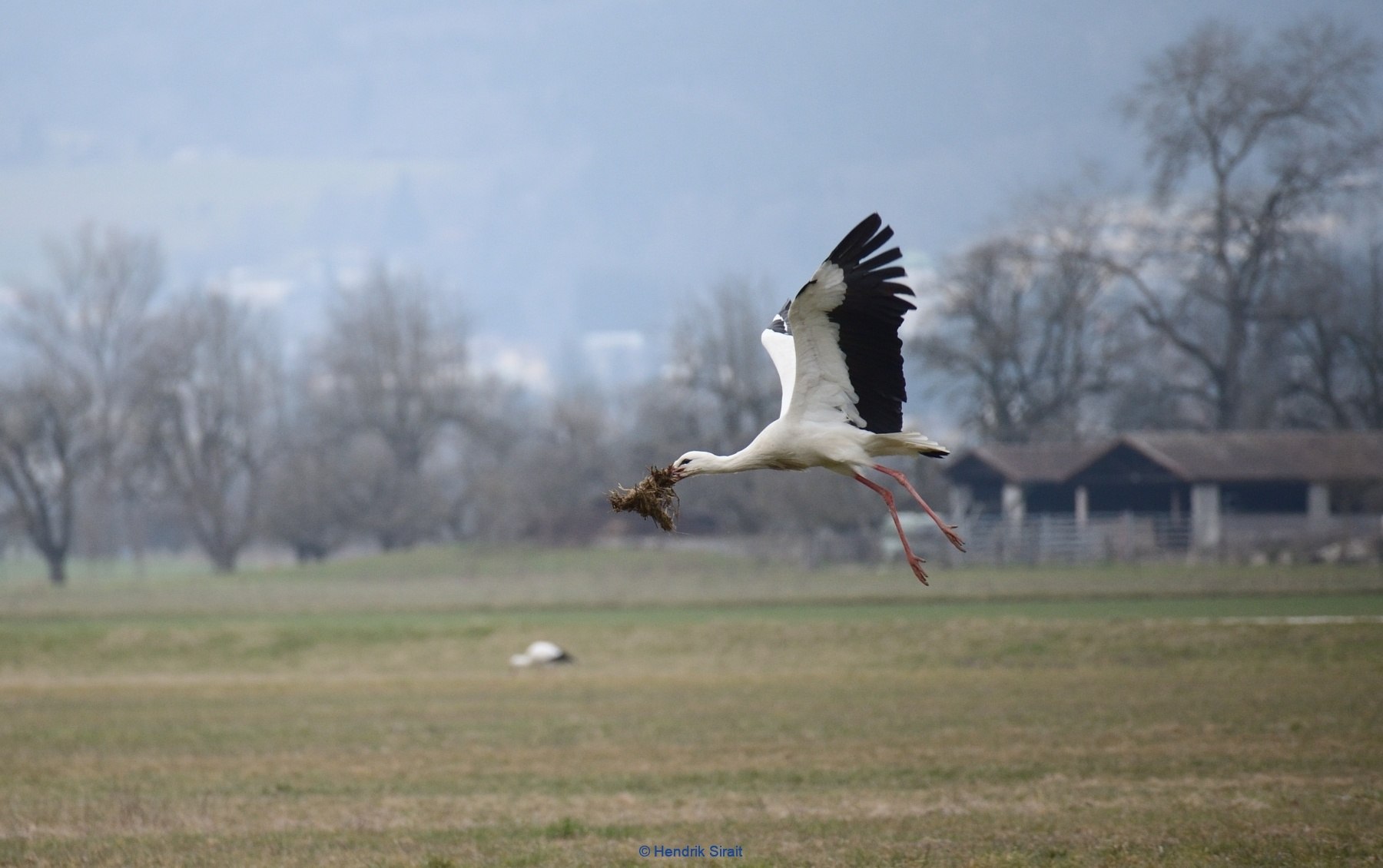
- The Contrast Plumage: Their feathers are almost entirely pure white, sharply contrasted by jet-black flight feathers on their wings.
- The Red Tools: Their long, slender legs and heavy, dagger-like beak are a bright, striking red. The long legs allow them to wade through tall wet grass or shallow water without getting their bodies wet, while the long beak acts as precise tweezers to snap up fast-moving prey.
Mega-Architecture: The Lifelong Nest
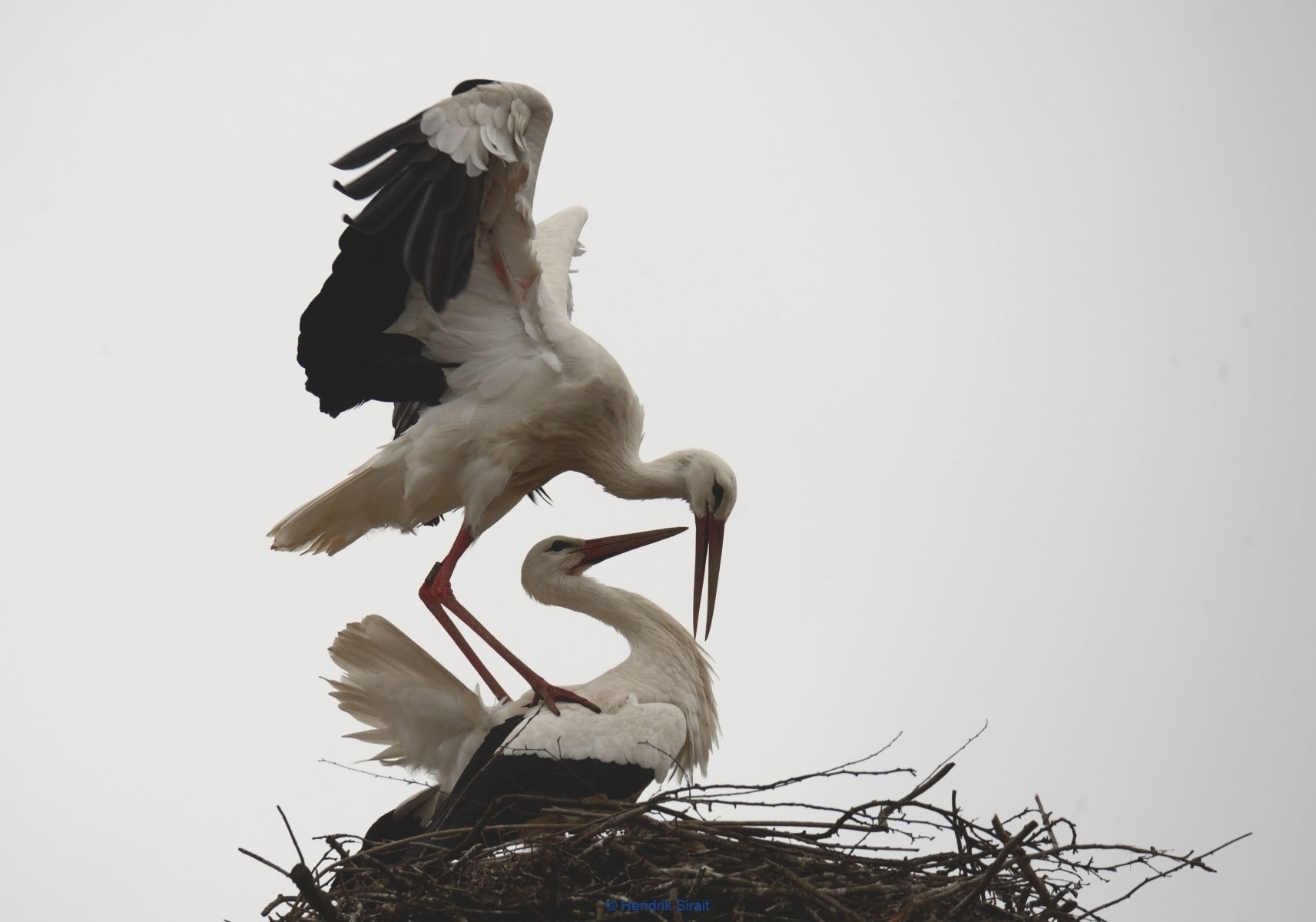
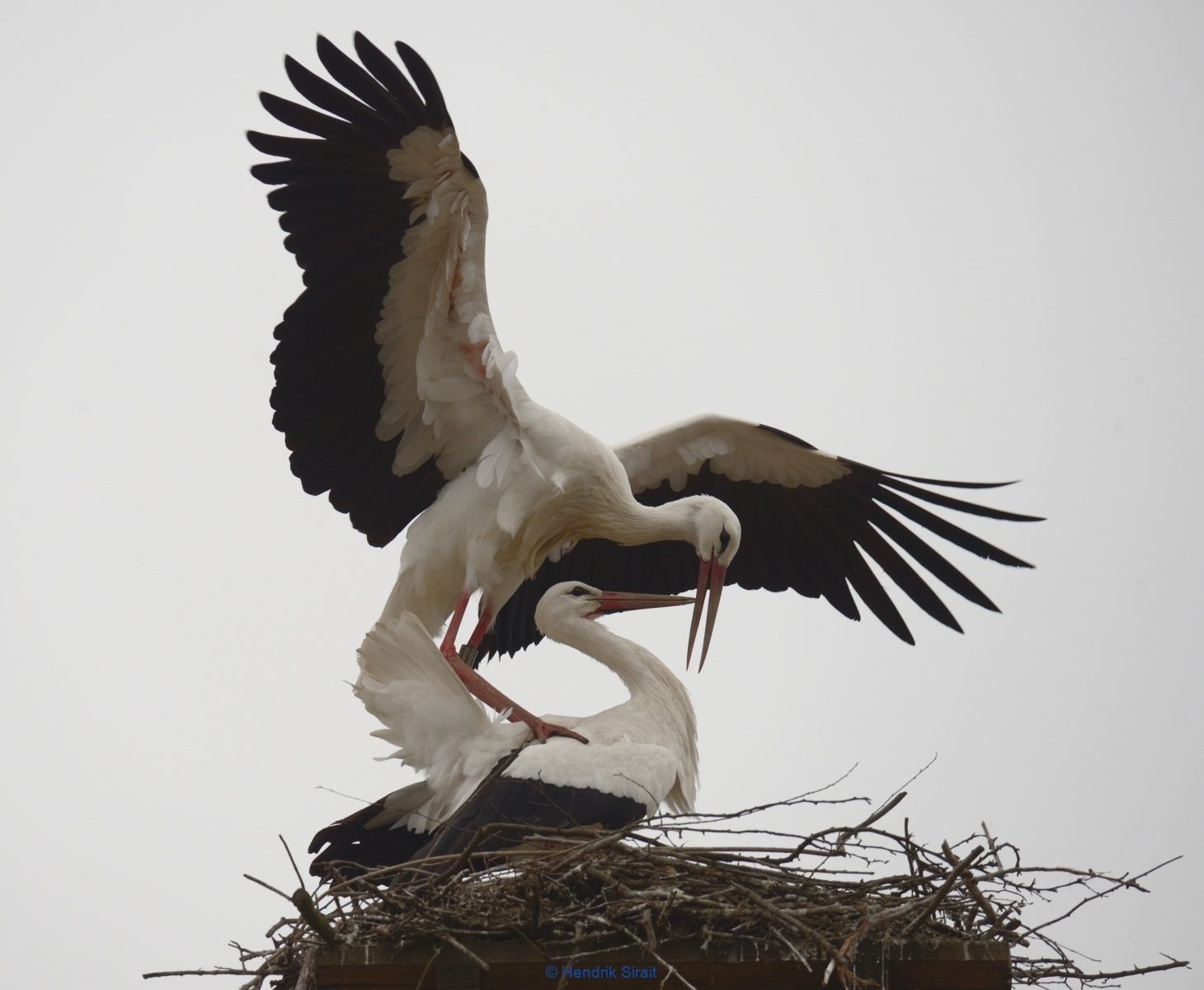
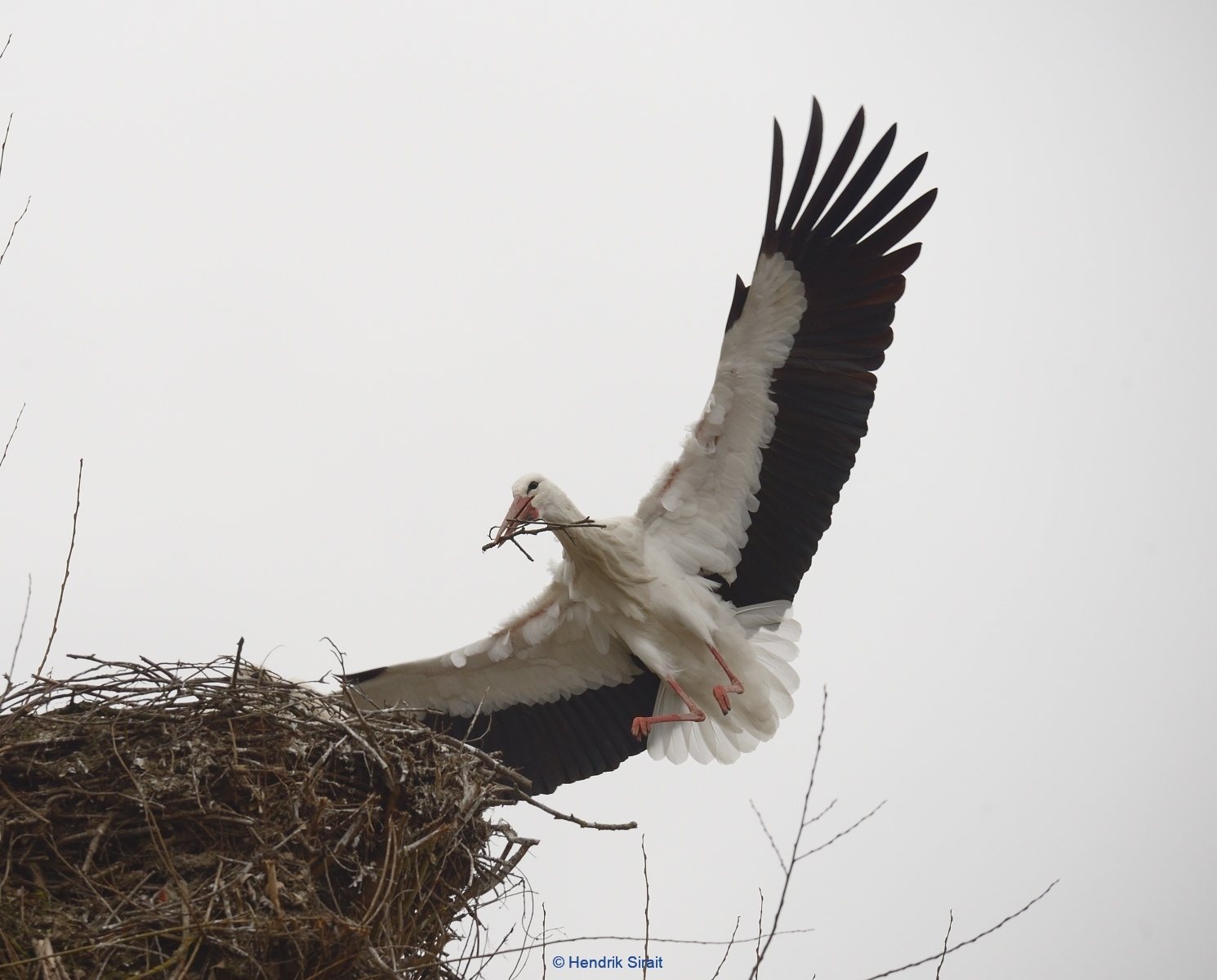
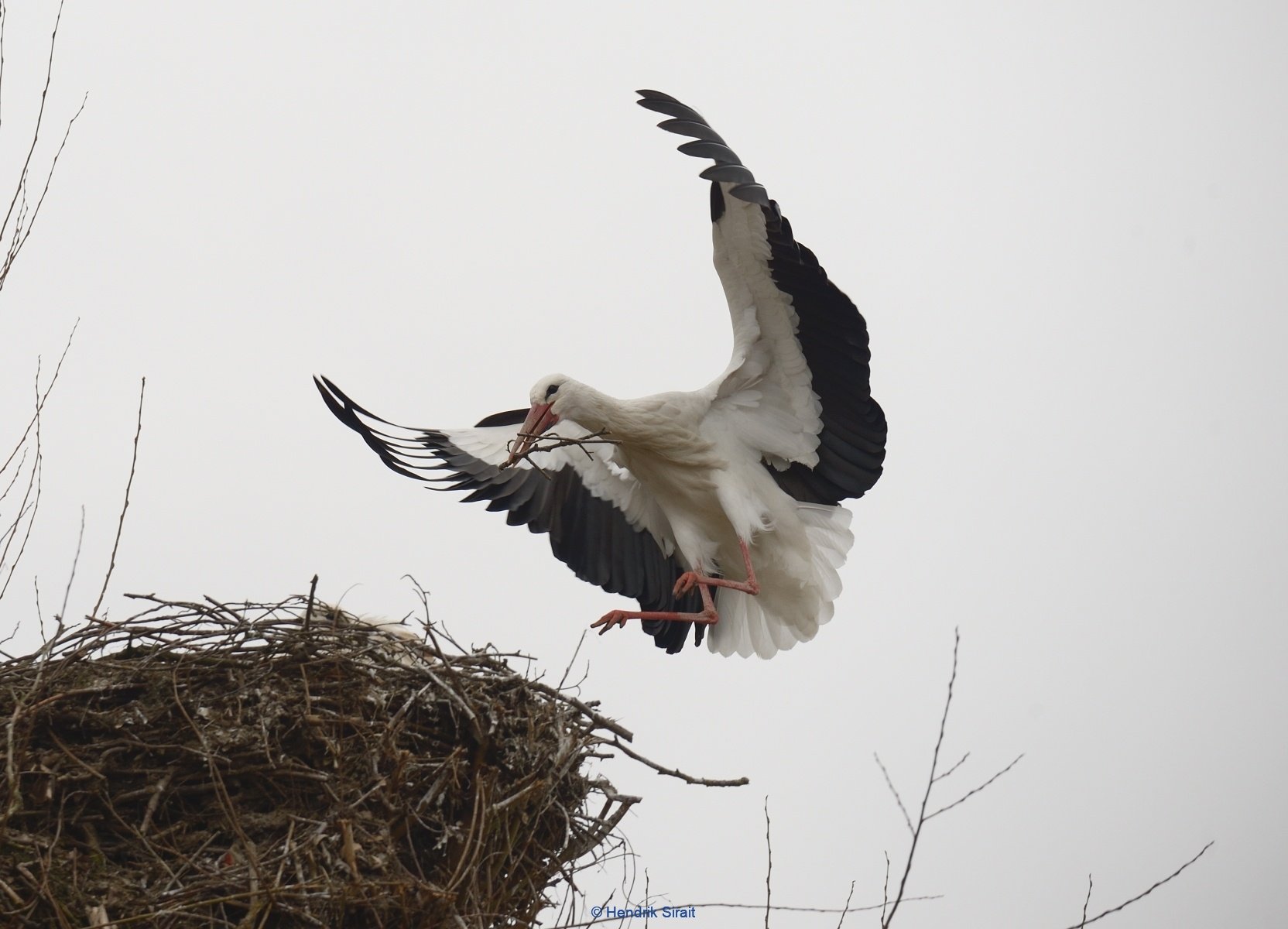
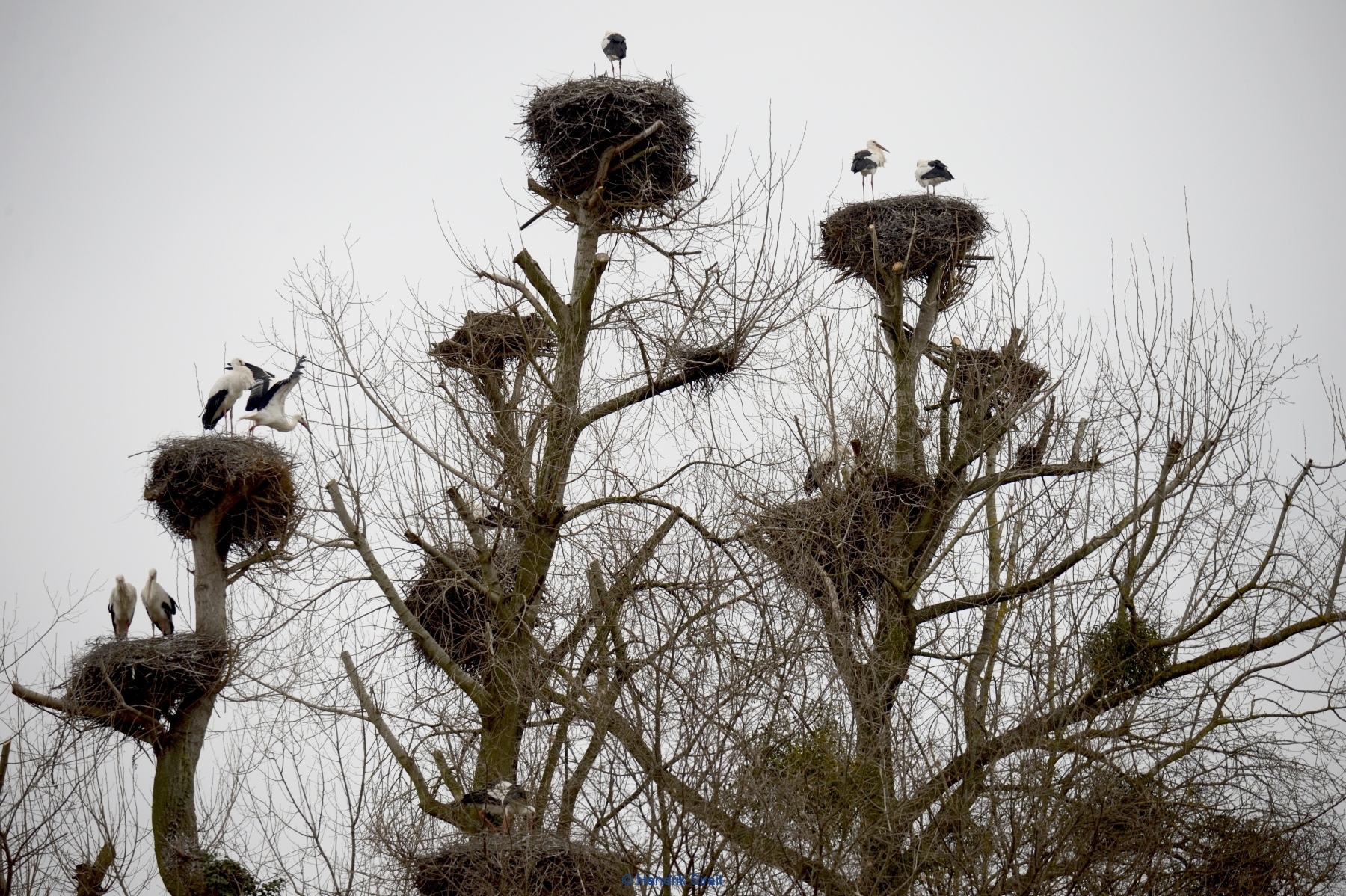
Storks are famous for building some of the largest nests in the entire avian world. They prefer high, open structures like farm roofs, chimneys, church steeples, electricity pylons, or old telephone poles because it gives them a clear 360-degree view to spot predators and plenty of space to land their massive wingspan.
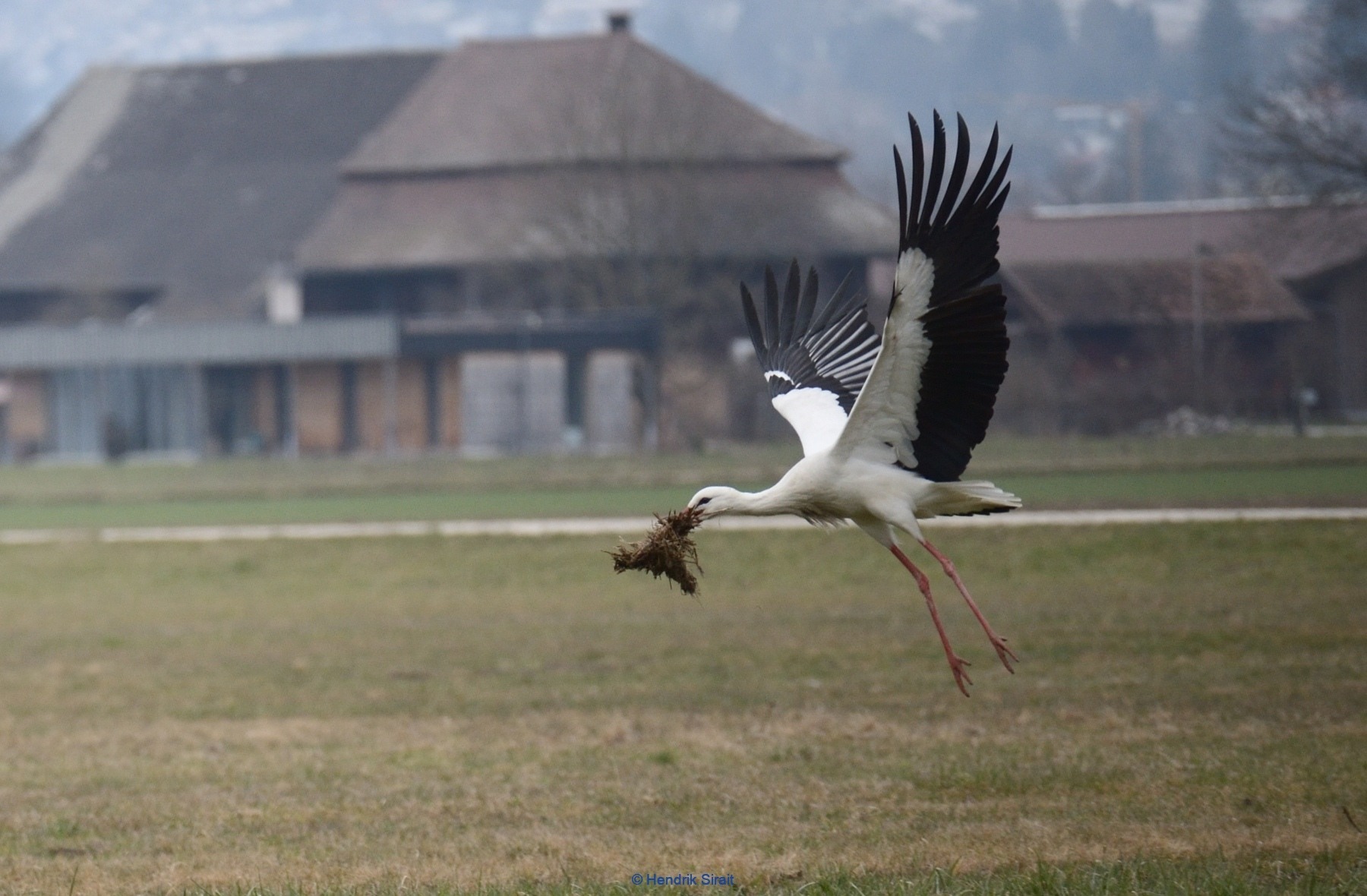
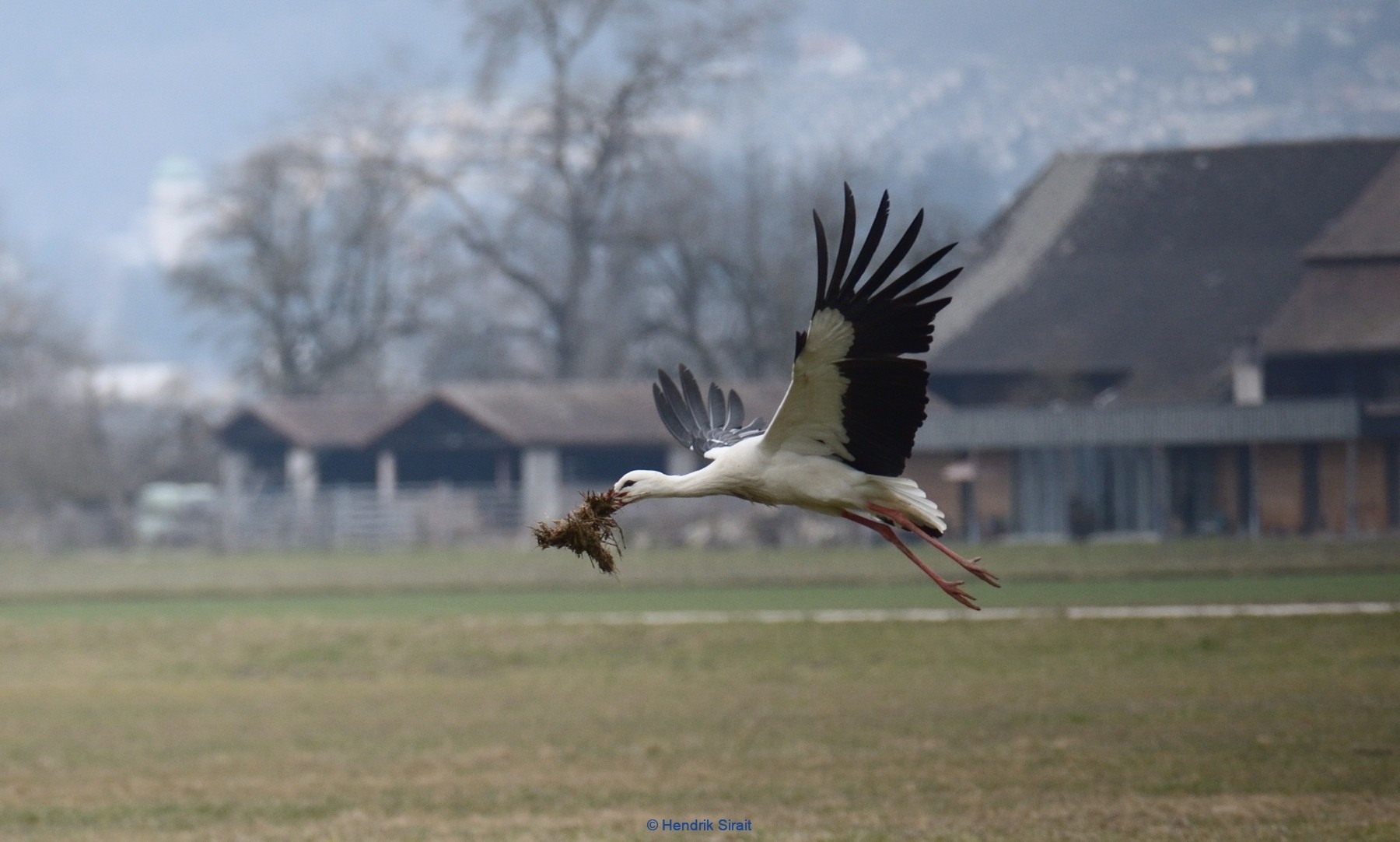
- Yearly Upgrades: When a pair returns in the spring, they don’t build a new nest; they return to the exact same one from the previous year. They immediately begin repairing it, piling on fresh branches, twigs, mud, and lining the inside with soft grass, moss, and paper.
- Massive Weight: Because they add to it every single year, an old nest can grow up to 2 meters in diameter, nearly 3 meters deep, and weigh over 500 to 1,000 kg! In villages like Altreu, special wooden platforms are often built on roofs to support this immense weight so the roofs don’t collapse.
Family Life and “Bill-Clattering”
Storks are generally monogamous (they stay with one partner) for the breeding season. Interestingly, they aren’t necessarily loyal to the partner, but rather fiercely loyal to the nest site. The male usually arrives a few days early in mid-March to claim the nest. Whichever female joins him there first is typically his partner for the summer!
- The Welcome Dance (Klappern): Because storks lack a vocal organ (syrinx), they cannot sing or call. Instead, they communicate through bill-clattering. When a mate returns to the nest, they throw their heads all the way back onto their spines and rapidly clap their upper and lower beaks together. The hollow throat pouch acts as a sounding board, creating a incredibly loud, rhythmic “clack-clack-clack” that echoes through the entire village.
- Raising the Chicks: The female lays 3 to 5 eggs, and both parents take turns incubating them for about 33 days. Once hatched, the chicks are covered in fuzzy white down. Both parents are incredibly dedicated, taking turns flying out to find food, regurgitating it into the center of the nest for the babies, and even shading the chicks with their giant wings on hot days. By about two months, the young storks are fully grown and ready to fly.
Epic Migration: The Ultimate Gliders
Storks are long-distance migratory birds. When autumn arrives in Western Europe, their food source disappears as fields freeze over and insects die off, triggering their journey south.
- The Gliding Strategy: Storks are too heavy to flap their wings continuously for thousands of kilometers. Instead, they rely on thermals—columns of hot, rising air created by the sun heating the ground. They flap up into a thermal, ride it spinning upward like an elevator, and then glide downward for miles toward the next thermal.
- Avoiding the Sea: Because hot thermals do not form over cold water, storks completely refuse to fly across the wide Mediterranean Sea. Instead, the Central European storks take the Western Route, flying over France, Spain, across the narrow Strait of Gibraltar, and down into West Africa (like Mali or Niger). They travel roughly 4,000 to 5,000 kilometers in just a few weeks!
An Evolving Habit: Thanks to climate change and modern open-air landfills in Spain and Portugal (which provide a steady, year-round supply of food scraps), many Swiss and European storks have actually stopped flying all the way to Africa. Instead, they shorten their trip and spend the winter enjoying the milder weather in Spain before heading back to places like Selzach in the spring.
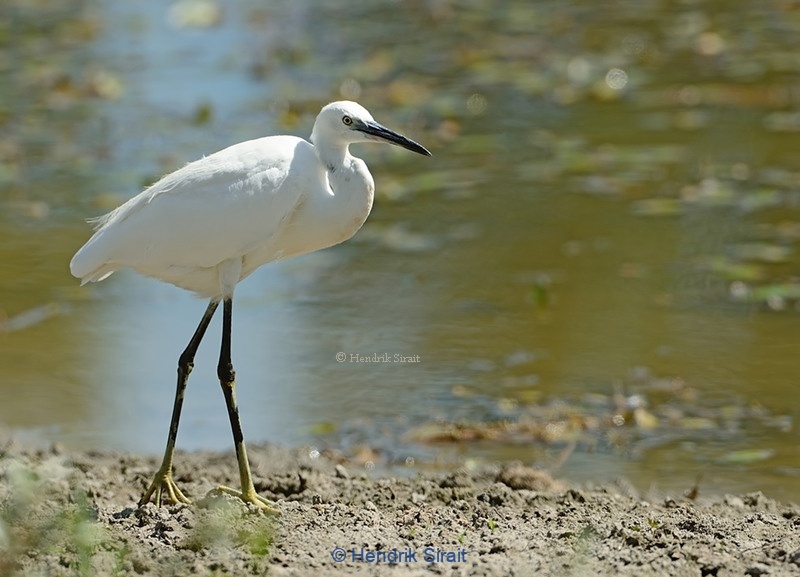
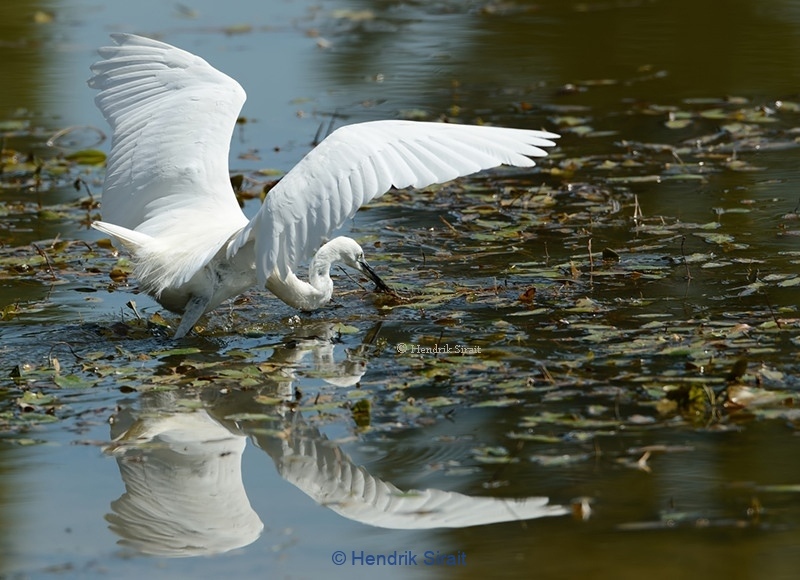
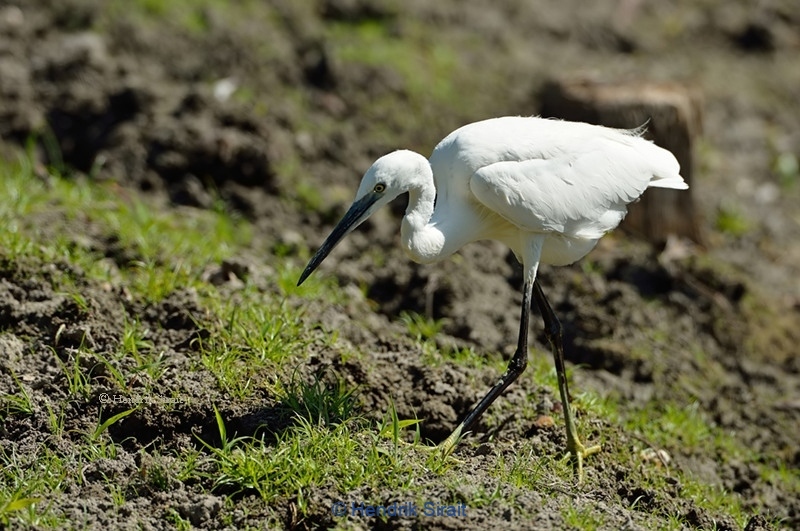
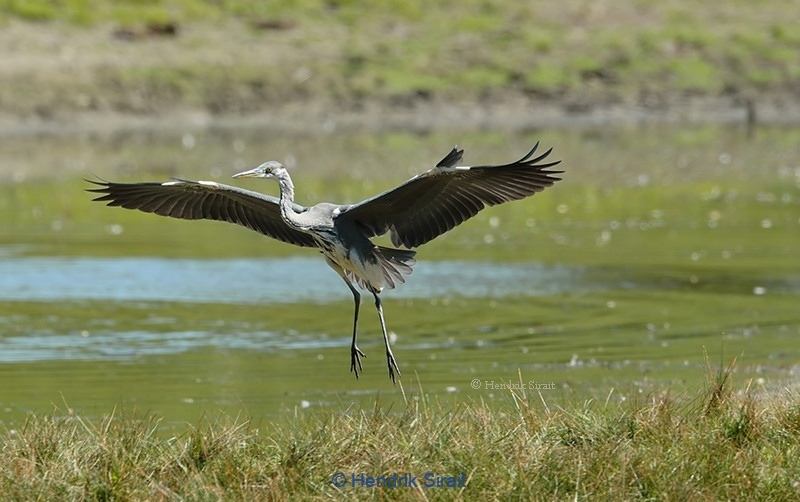
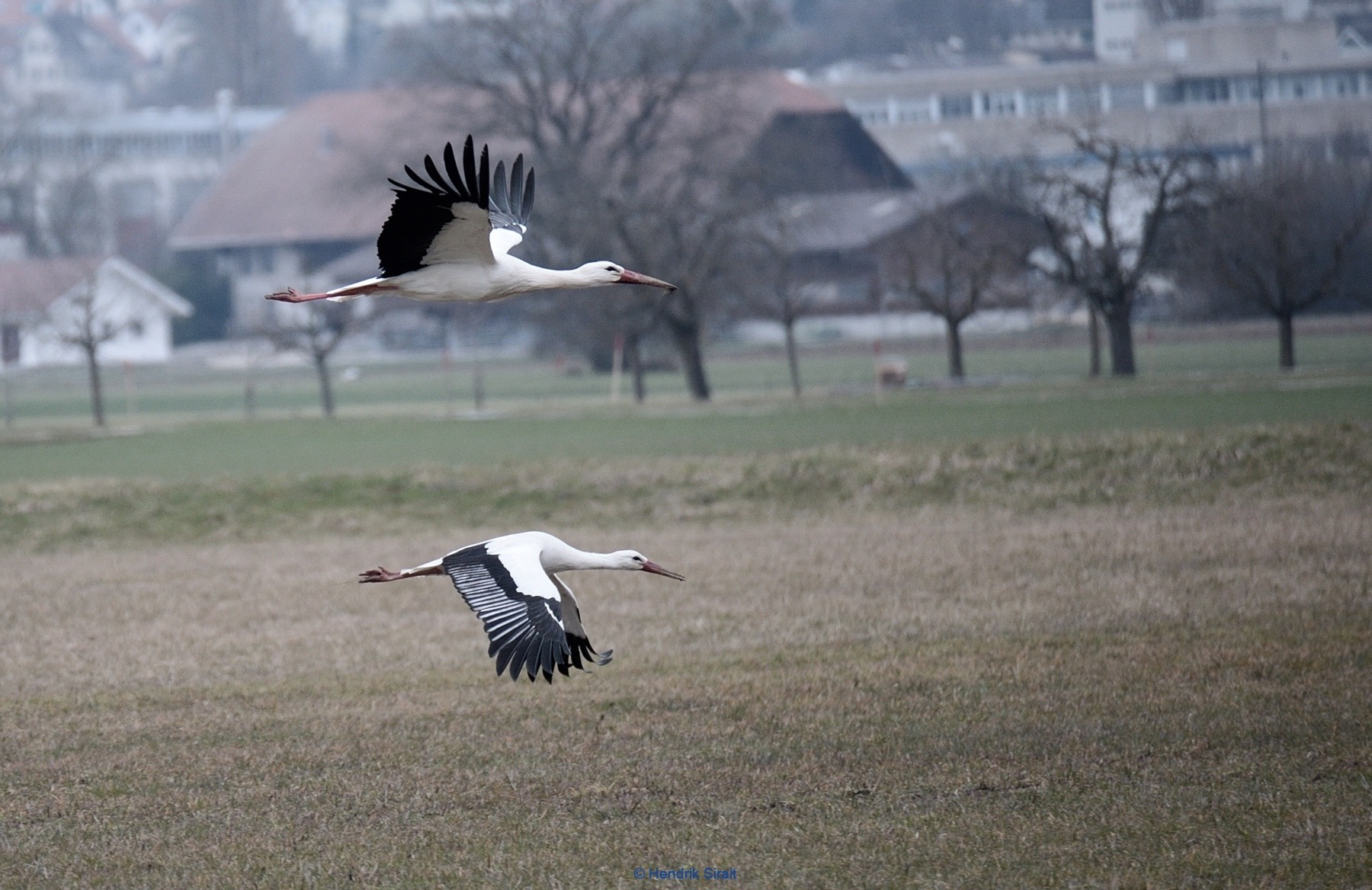
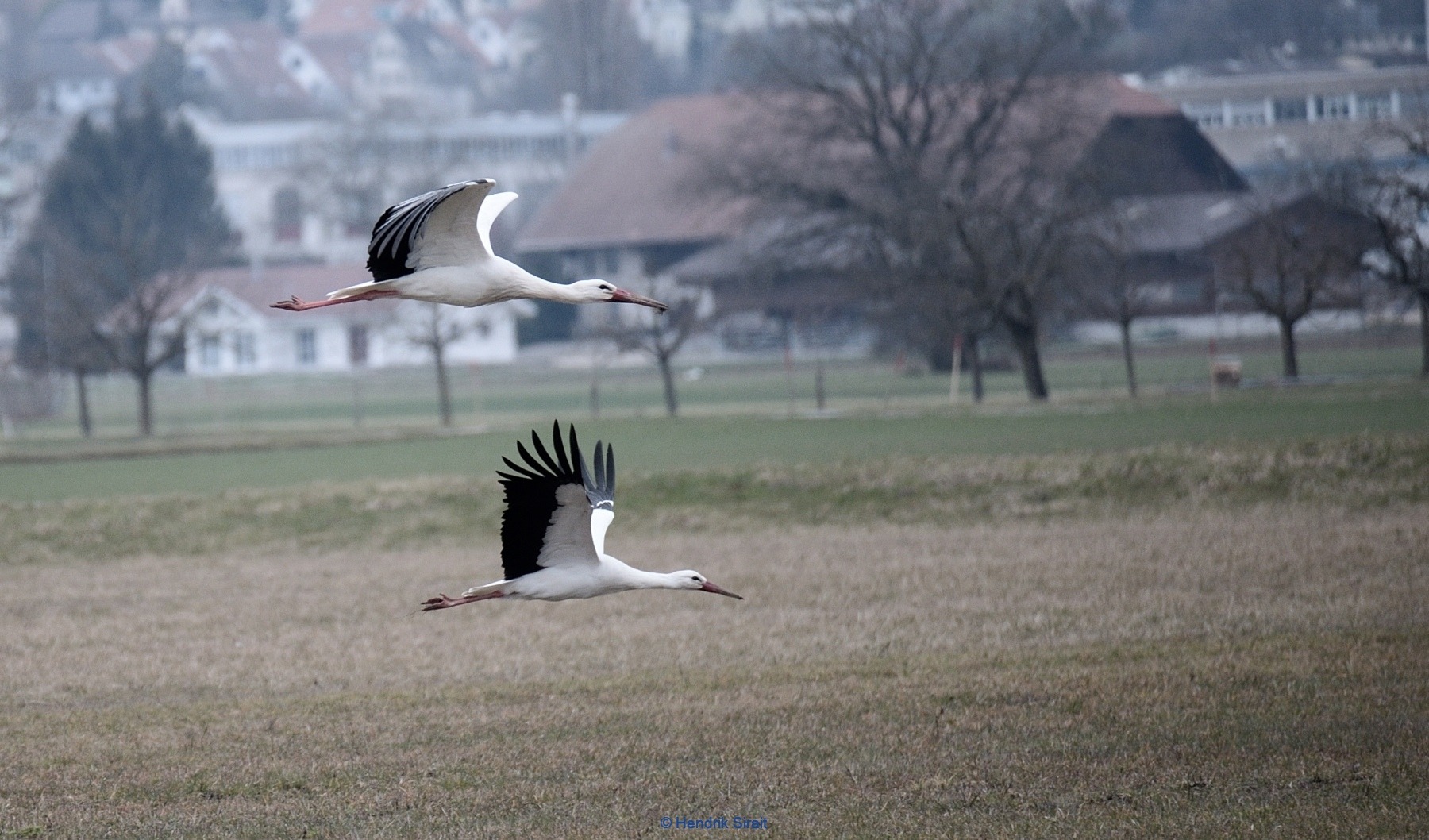
Some Pictures of this birds are framed during my observation, and fell free to browse them
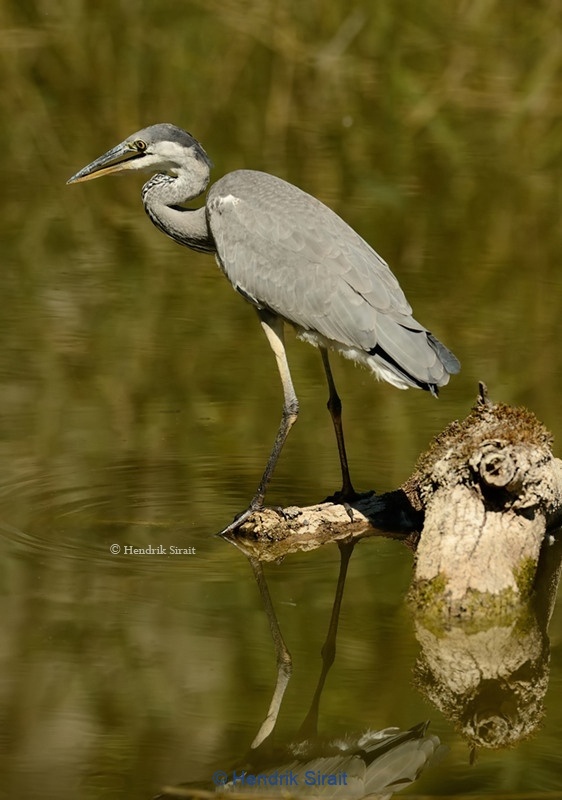
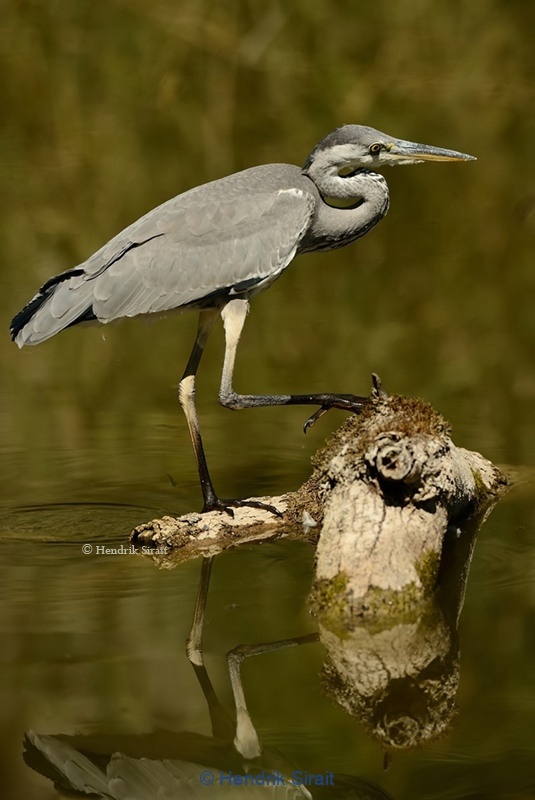
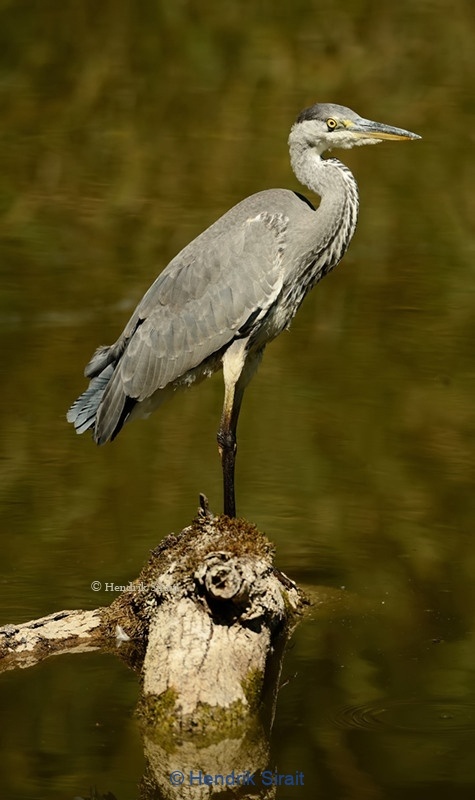
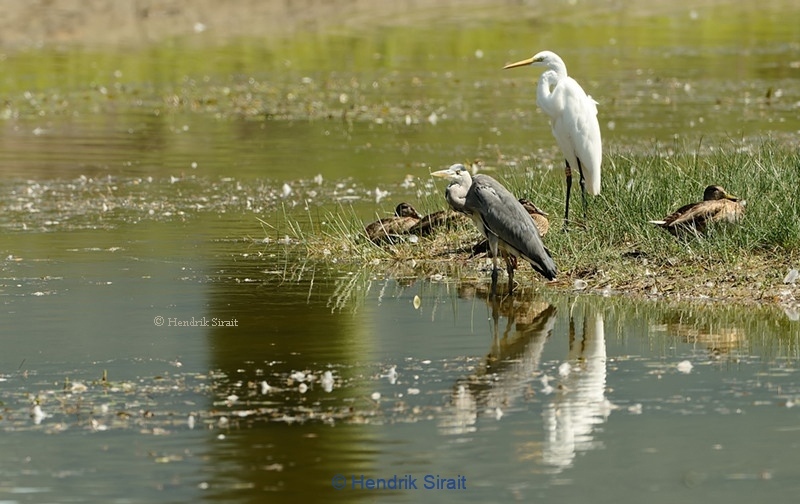
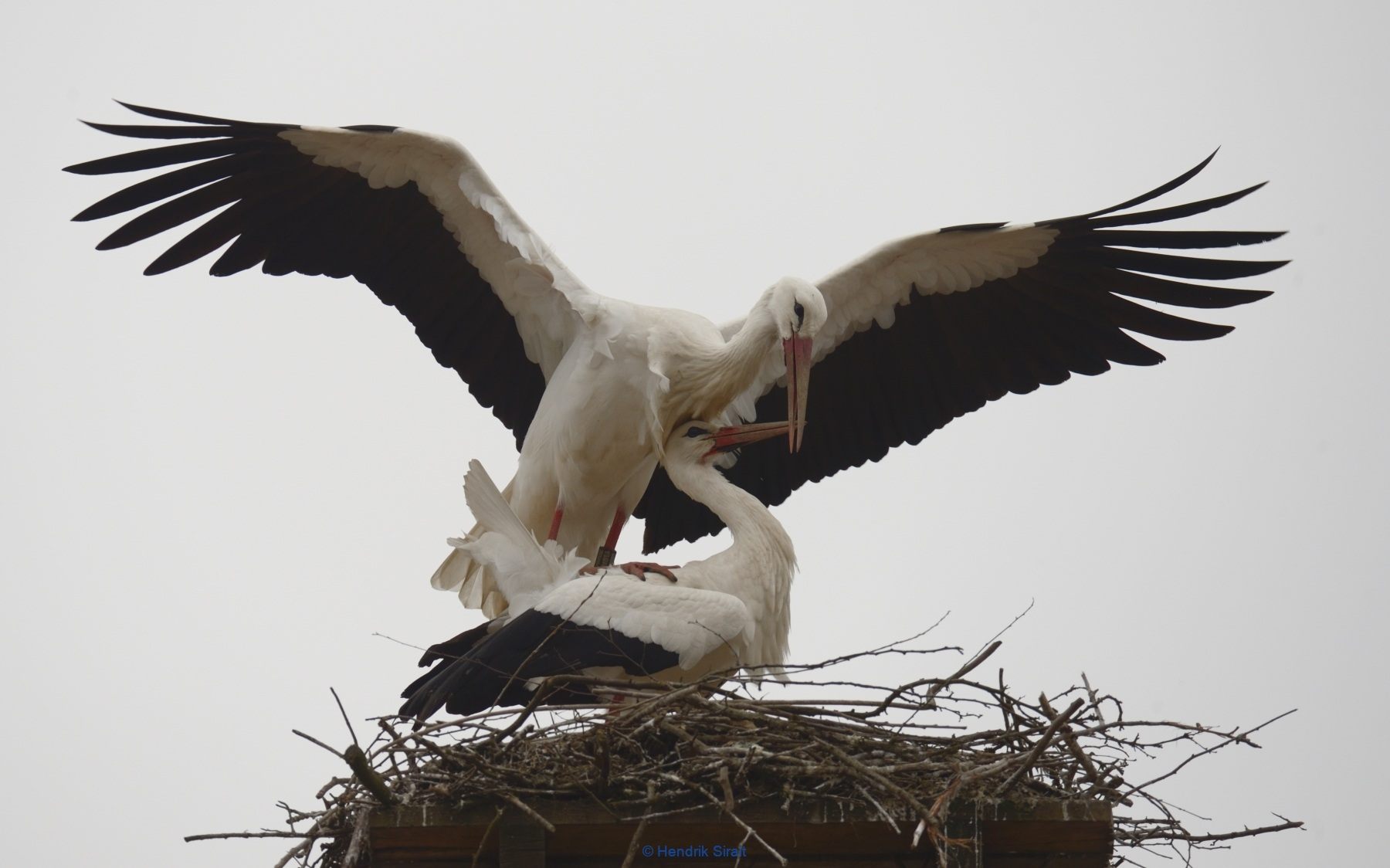
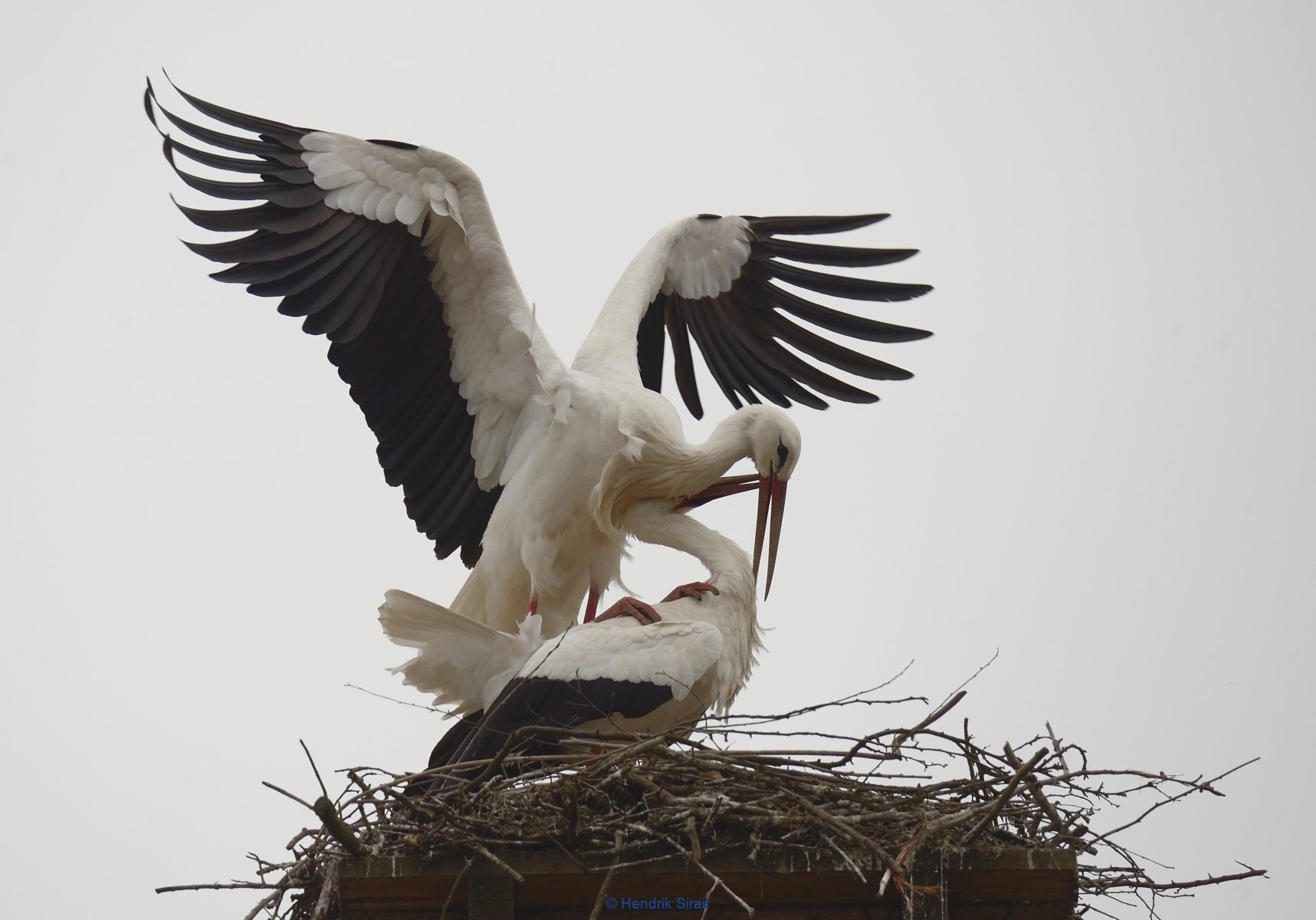
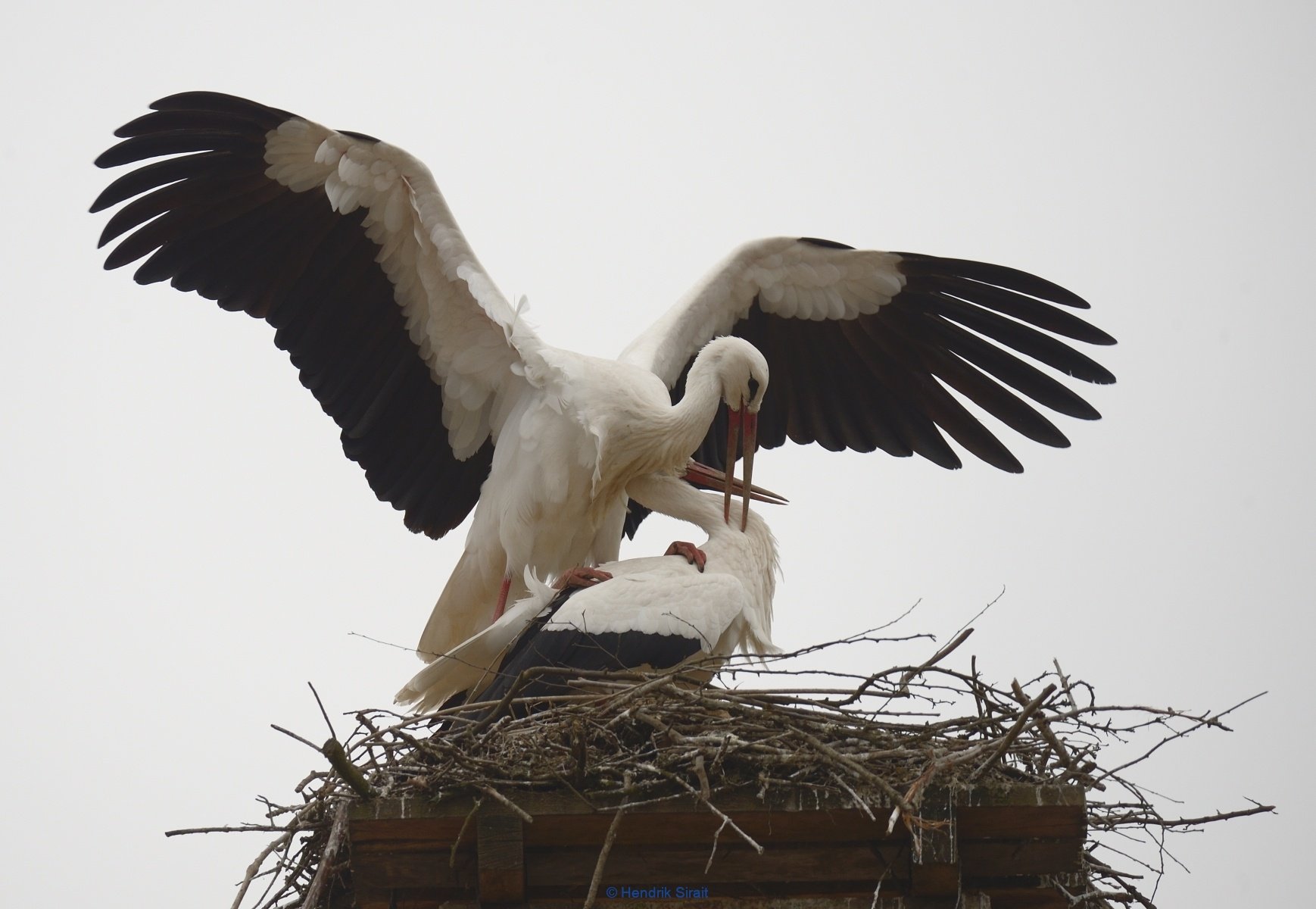
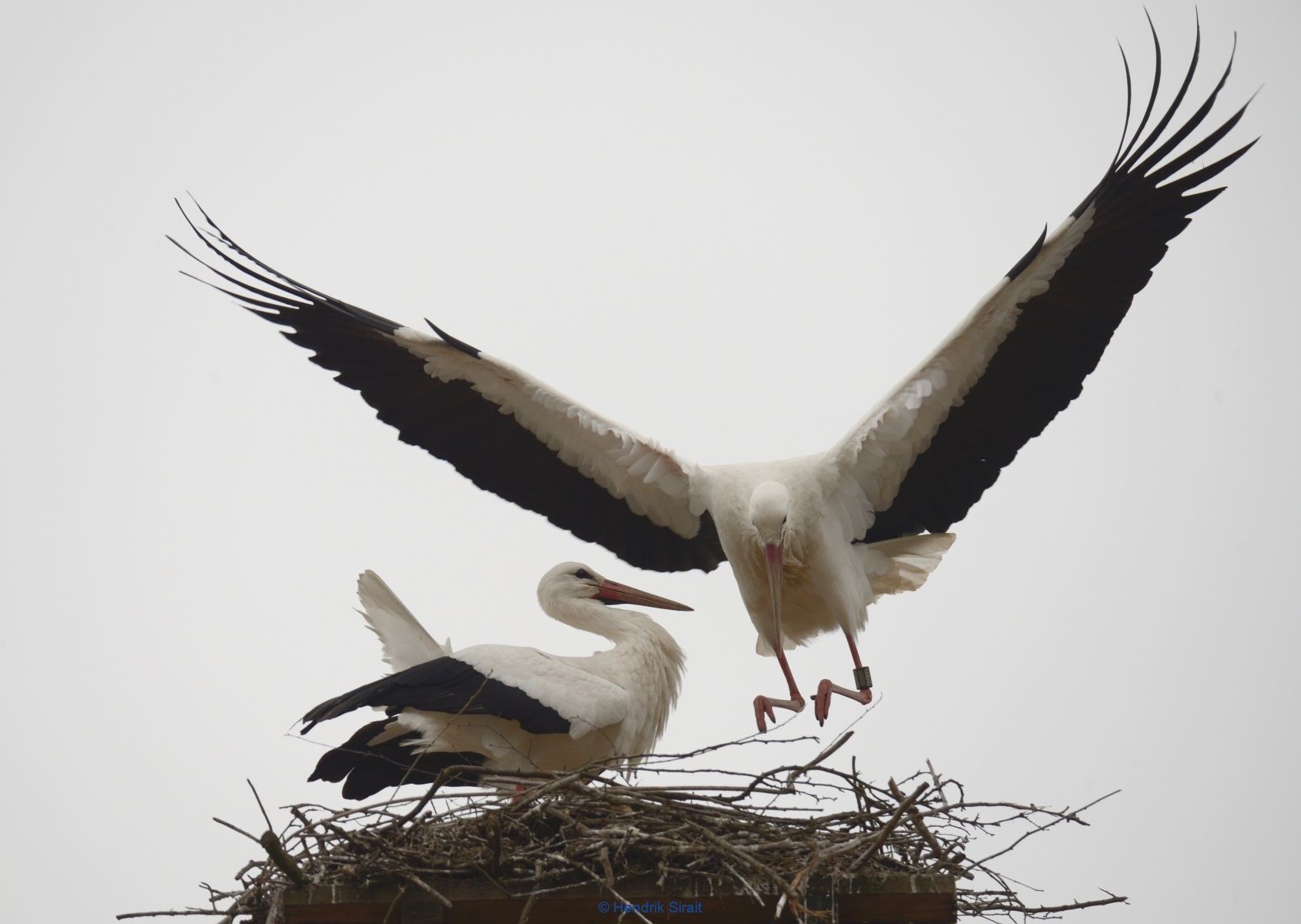
Thank you for visiting my website and any comments and request are welcome.
Regards,
Hendrik


